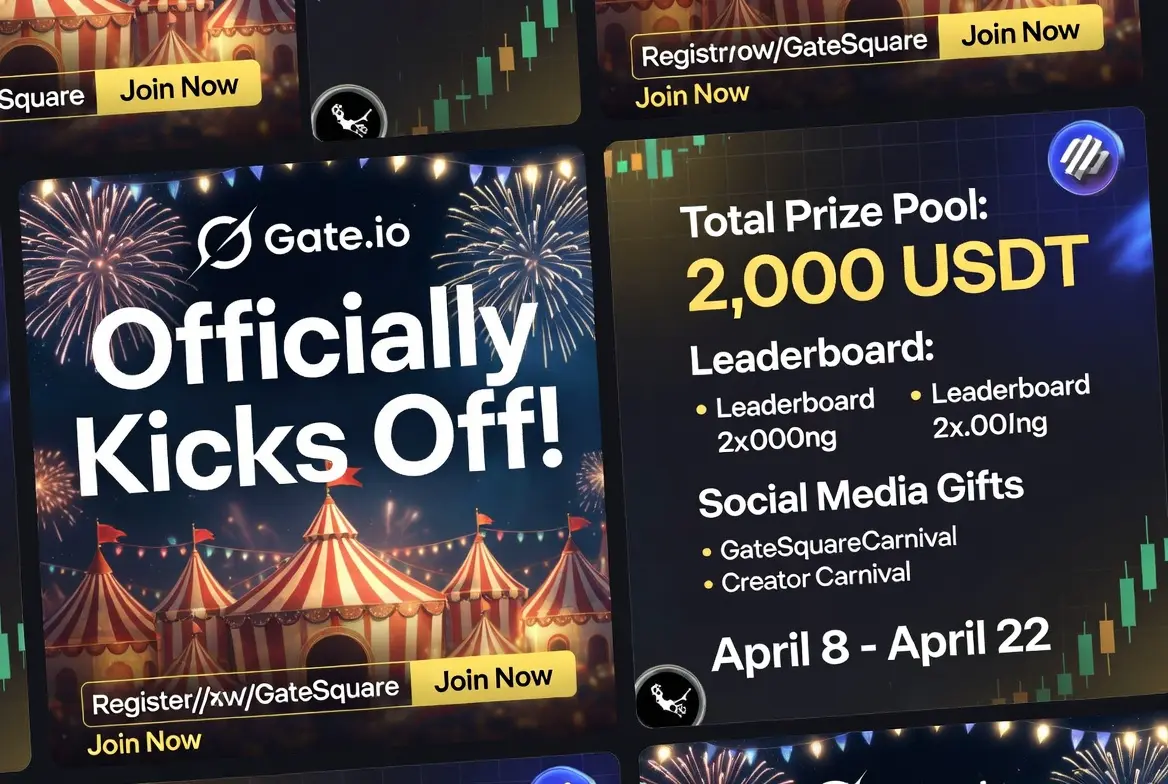

🚀 Gate Square Creator Carnival Officially Kicks Off! 🚀
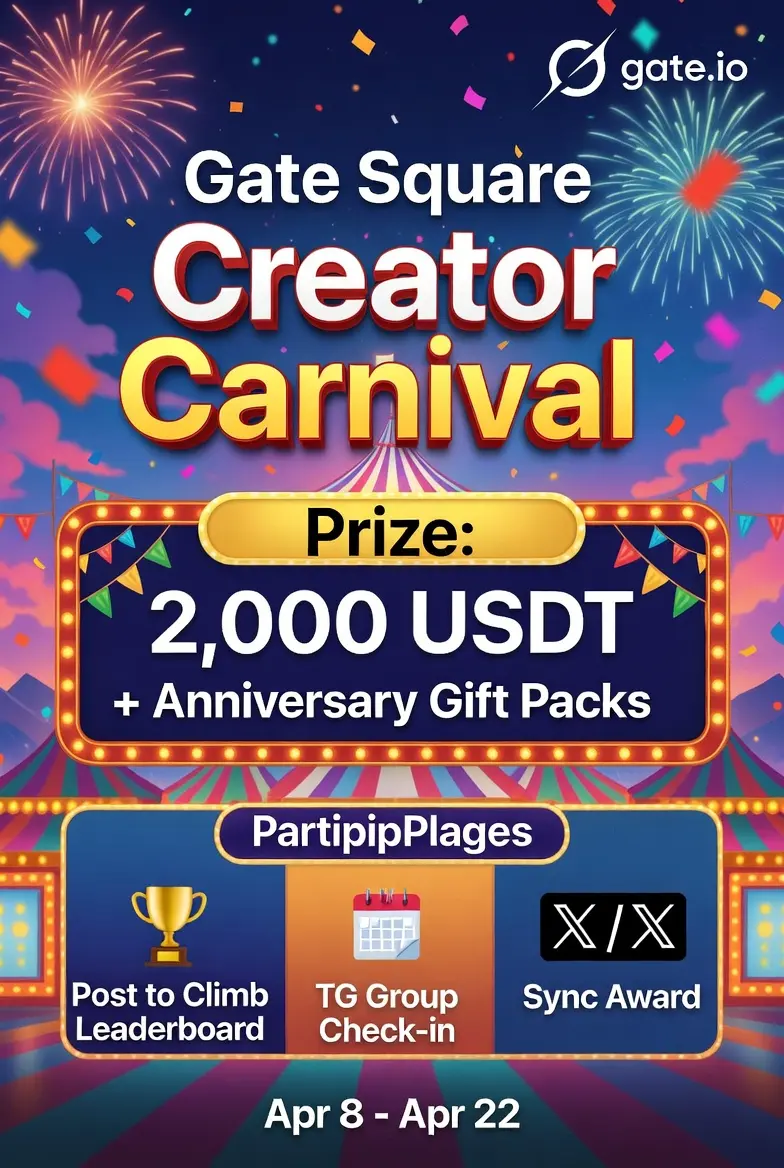
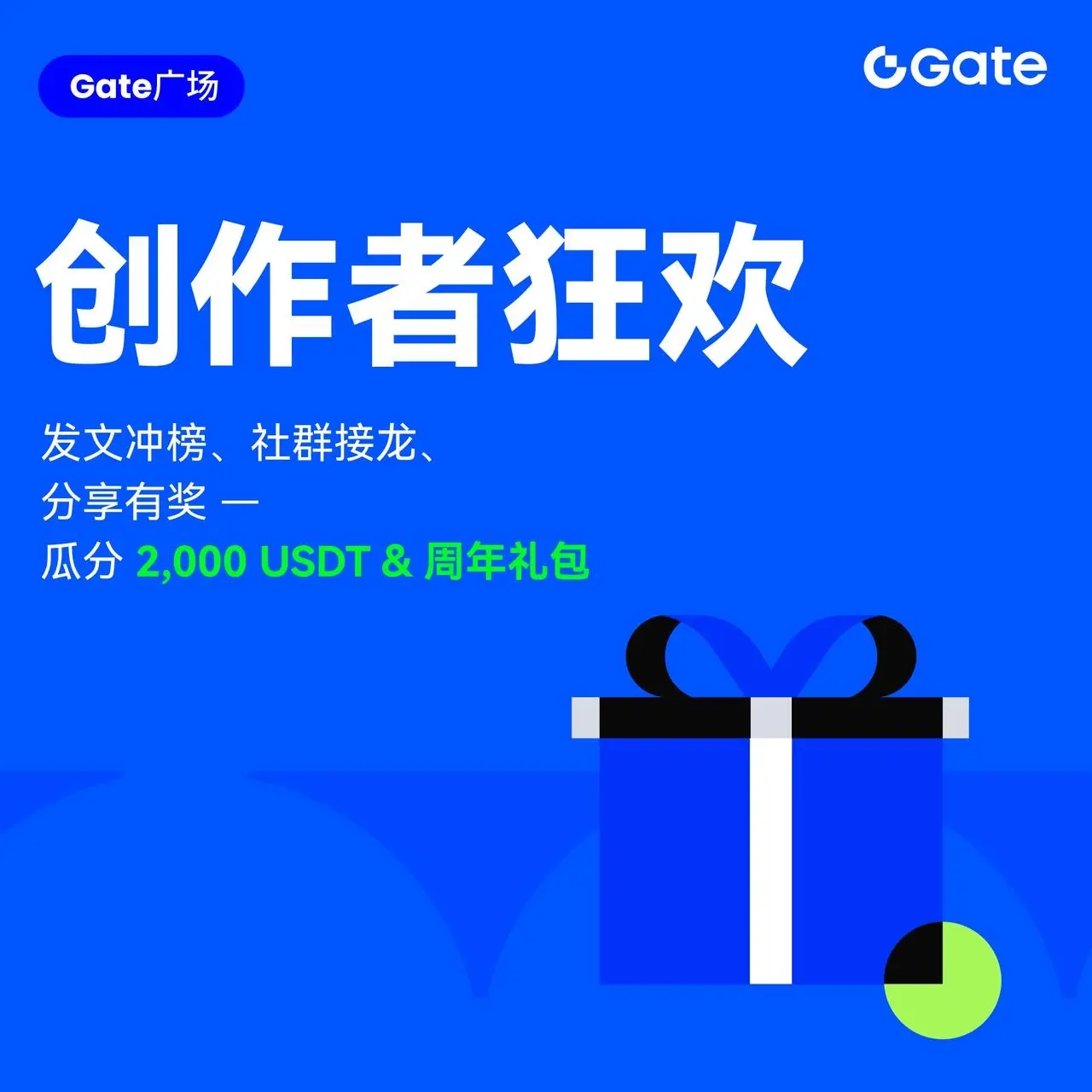
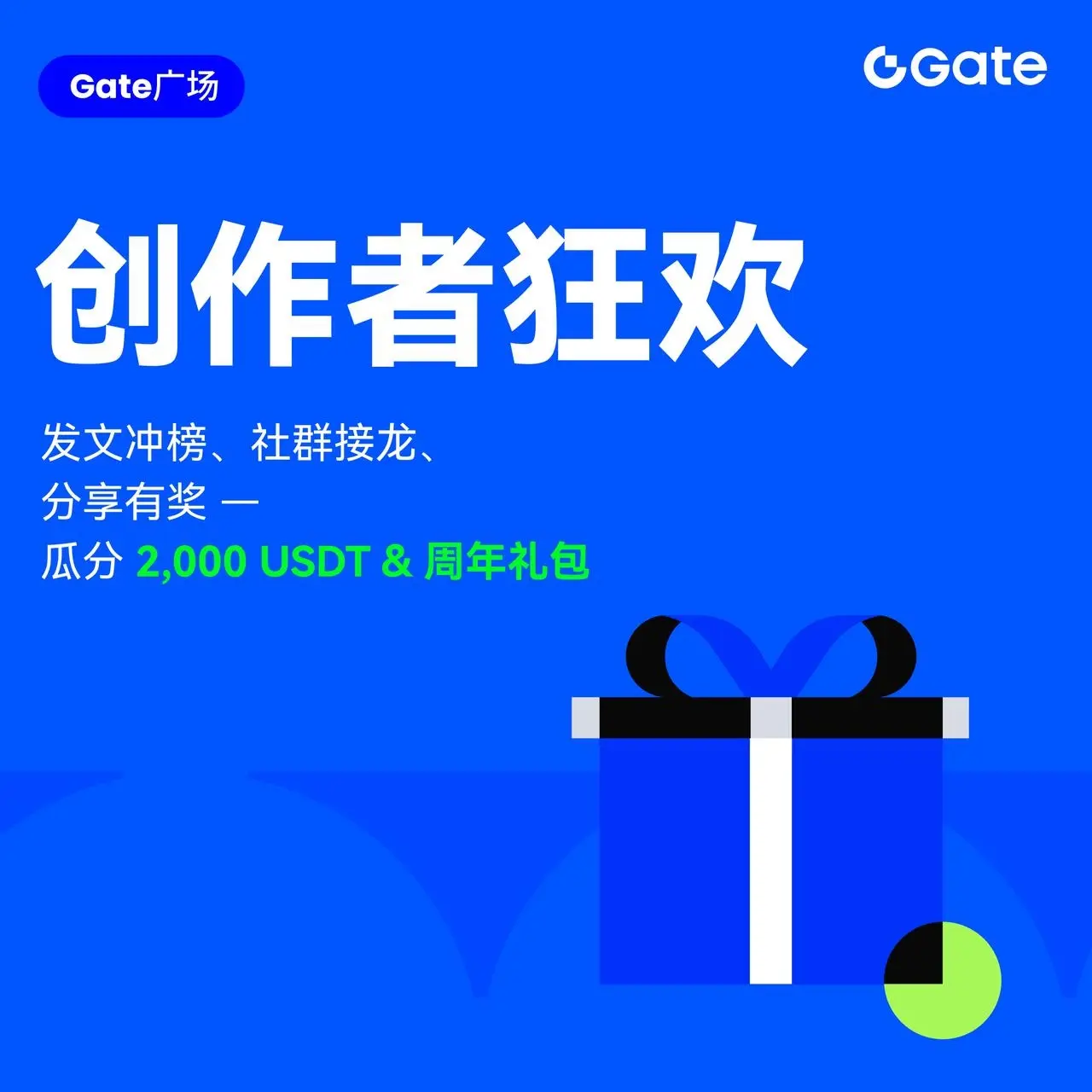
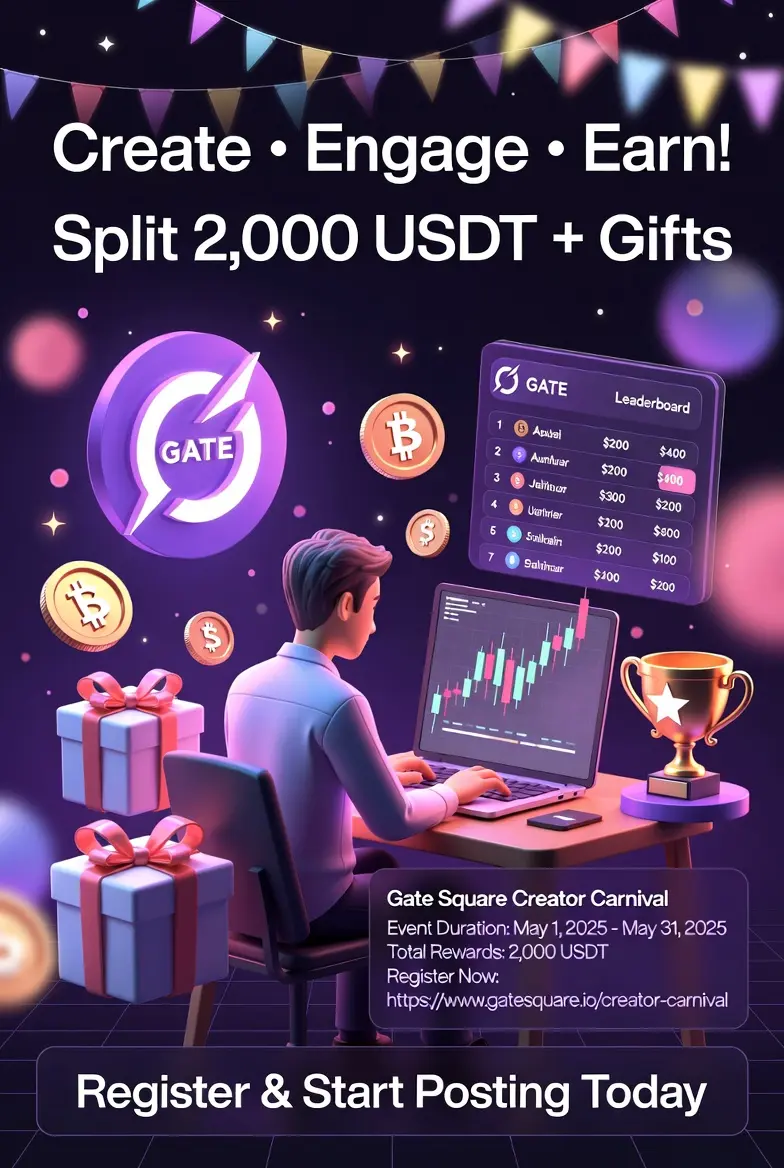
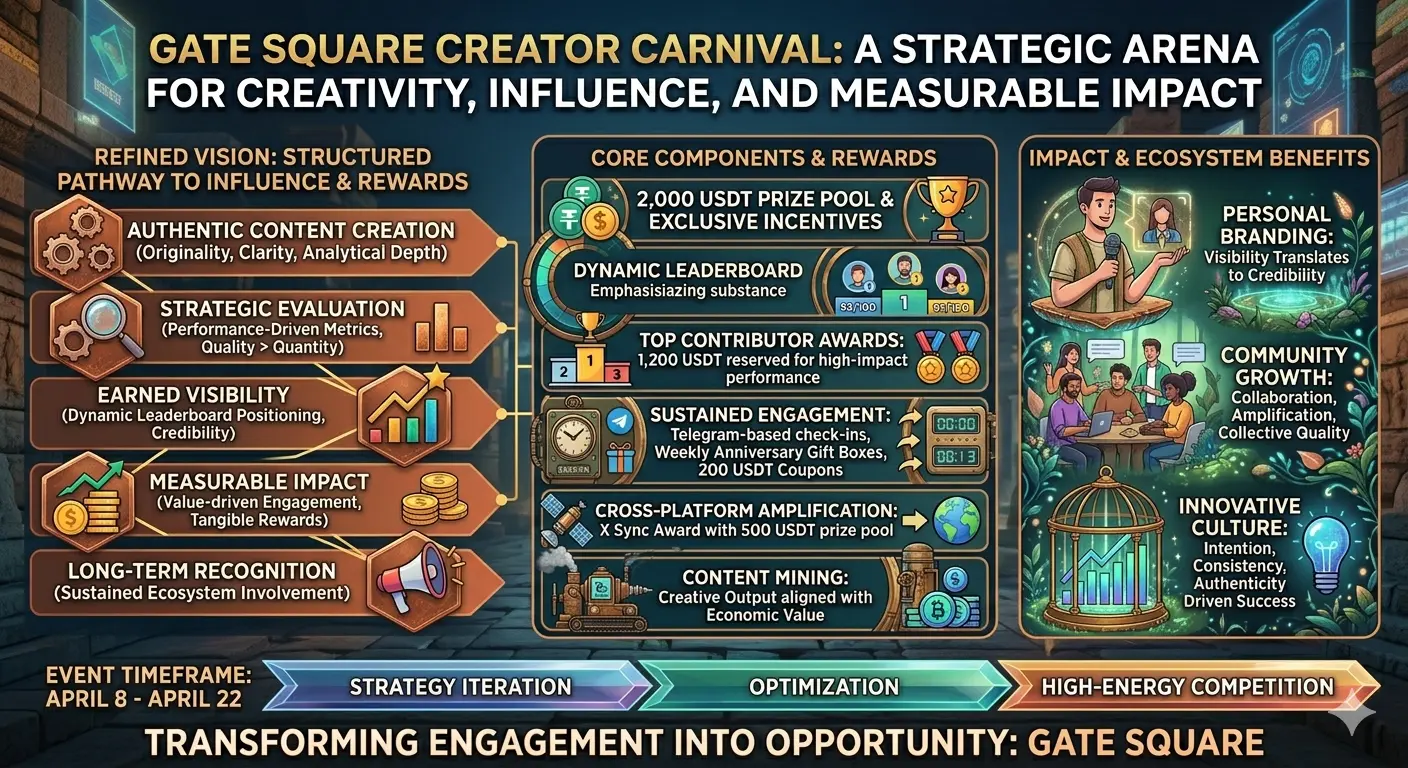
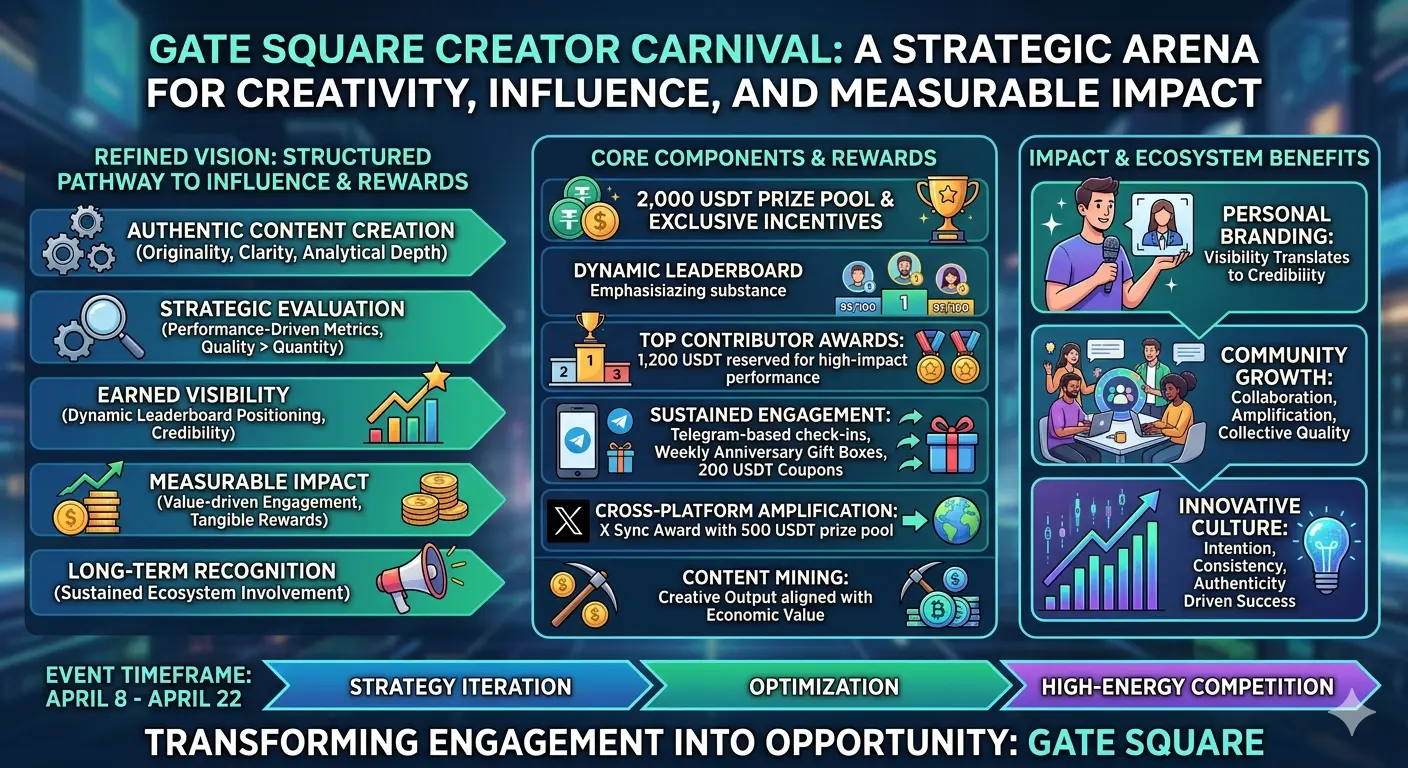
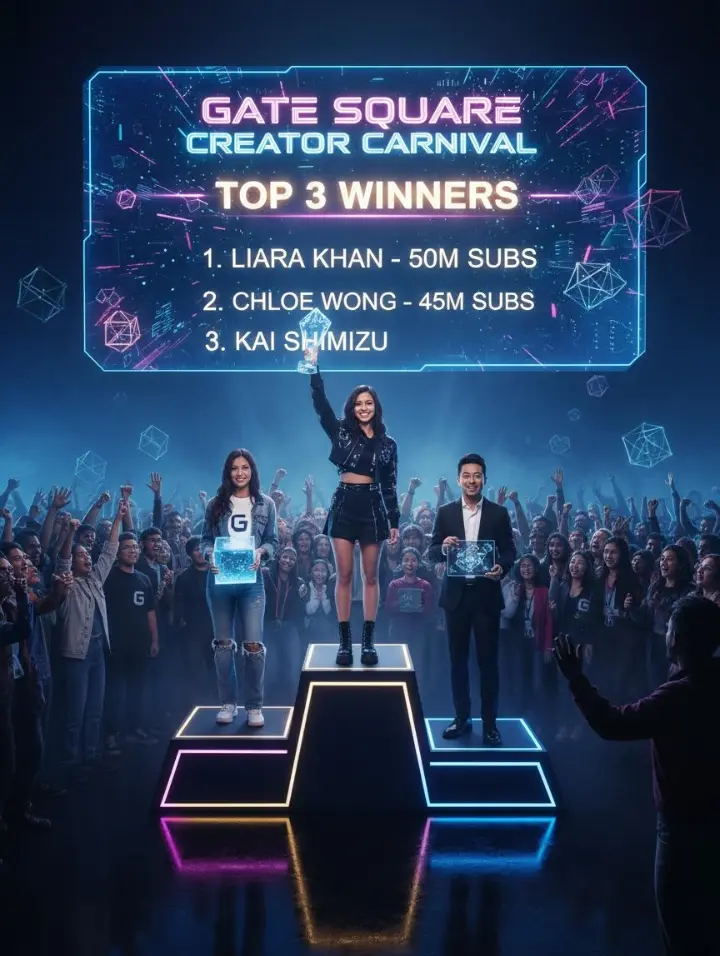
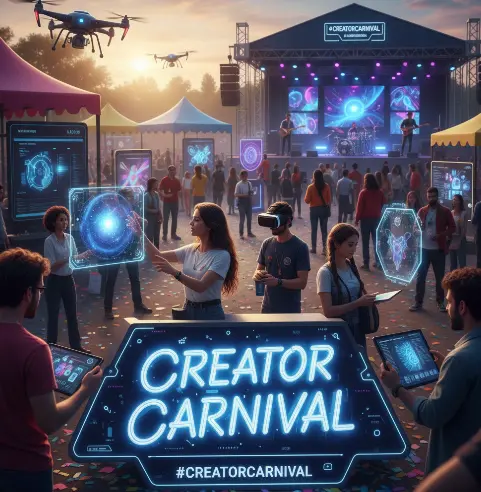
The wait is over! The highly anticipated Gate Square Creator Carnival has officially launched, bringing with it an exciting opportunity for creators, crypto enthusiasts, and community members to showcase their talent, amplify their voices, and earn incredible rewards. Running from April 8 to April 22, this limited-time event is designed to celebrate creativity, engagement, and the power of community within the Web3 ecosystem. Whether you are an experienced content creator or just starting your journey, this carnival offers a dynamic platform where your ideas can turn into tangible rewards.
🌟 A Celebration of Creativity and Opportunity
The Gate Square Creator Carnival is more than just a competition—it’s a celebration of innovation, storytelling, and influence. Participants are encouraged to create meaningful, engaging, and high-quality content that resonates with the community. The event structure ensures that every contribution counts, rewarding not just creativity but also consistency and interaction. By participating, you’re not only competing for rewards but also positioning yourself as a valuable voice in the rapidly growing crypto space.
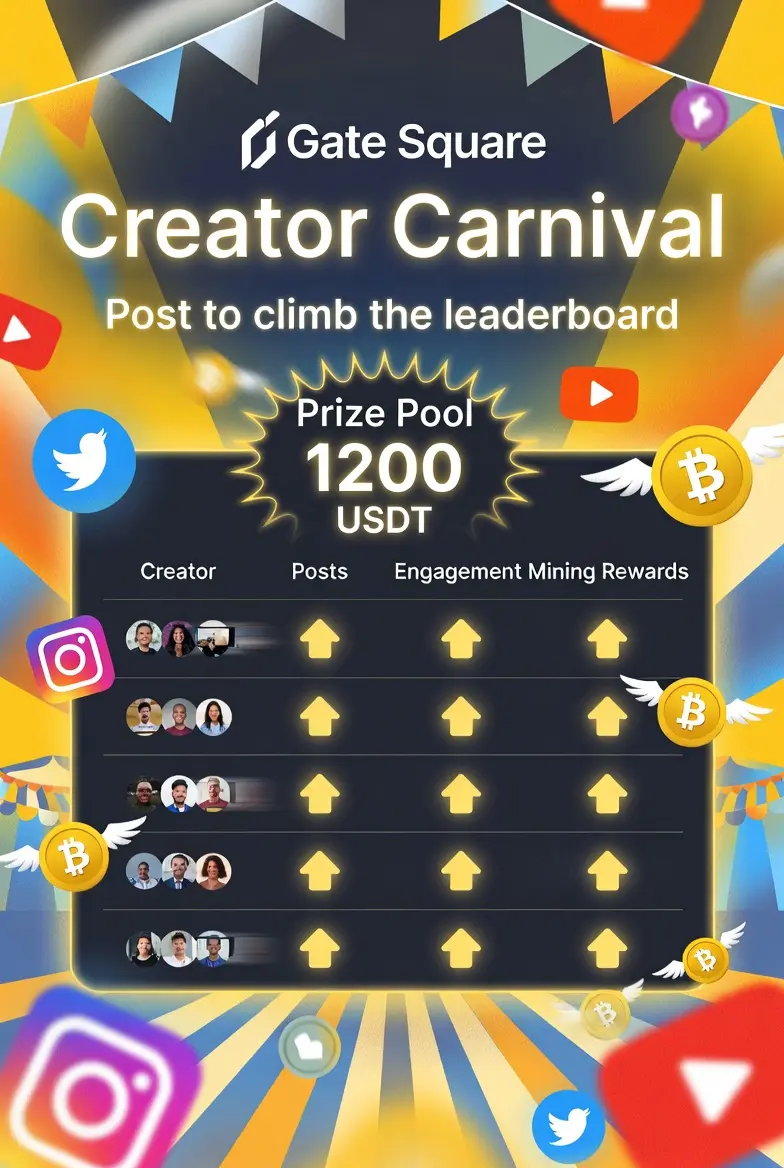
🏆 Post to Climb the Leaderboard — Earn Your Share of 1,200 USDT
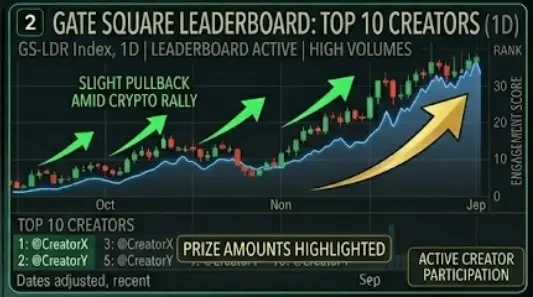
At the heart of the carnival lies the leaderboard challenge, where creators compete based on a comprehensive scoring system. This isn’t just about posting frequently—it’s about posting smartly. Your ranking is determined by three key factors: content quality, audience engagement, and mining rewards. This multi-dimensional evaluation ensures fairness and gives everyone a chance to shine, regardless of their follower count.
High-quality content that educates, entertains, or provides unique insights will naturally perform better. Engagement metrics such as likes, comments, shares, and interactions play a crucial role in boosting your score. Additionally, mining rewards further enhance your ranking, making this a truly integrated ecosystem of creativity and earning. At the end of the event, top performers will split a substantial 1,200 USDT prize pool, making every post an opportunity to earn.
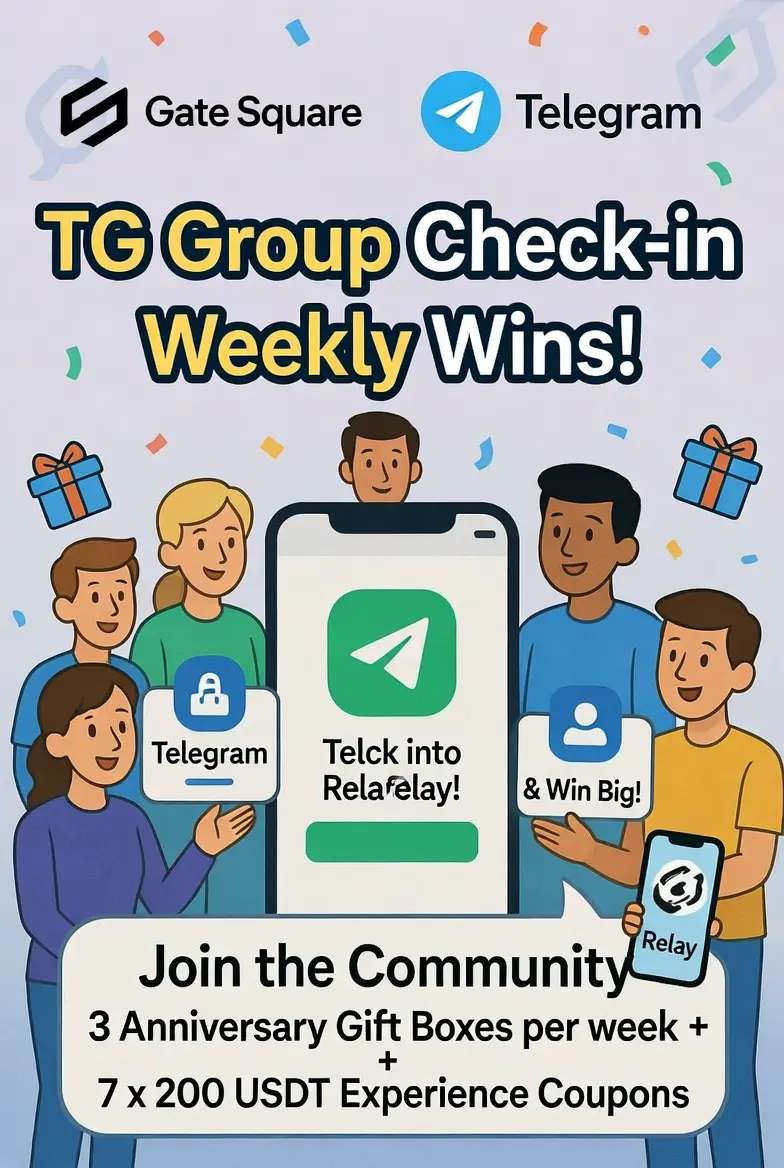
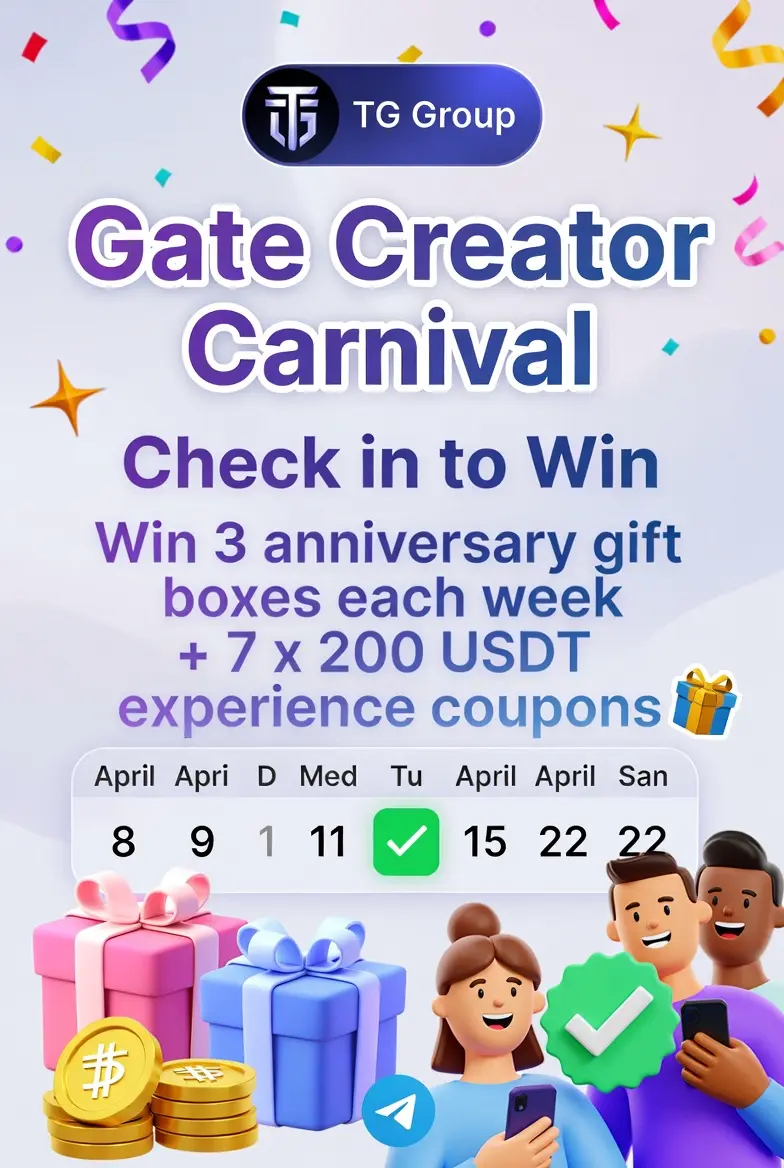
🎁 Telegram Group Check-in — Stay Active, Get Rewarded Weekly
Consistency is key, and the Telegram check-in activity is designed to reward those who stay engaged throughout the event. By simply participating in daily or regular check-ins within the community, users unlock access to exclusive weekly rewards. Each week, lucky participants can win 3 anniversary gift boxes, filled with special surprises and commemorative items.
In addition to physical rewards, there are also 7 experience coupons worth 200 USDT each, distributed weekly. These coupons provide additional value and enhance your overall event experience. This feature encourages continuous participation and fosters a sense of belonging within the community. It’s not just about competing—it’s about connecting, interacting, and growing together.
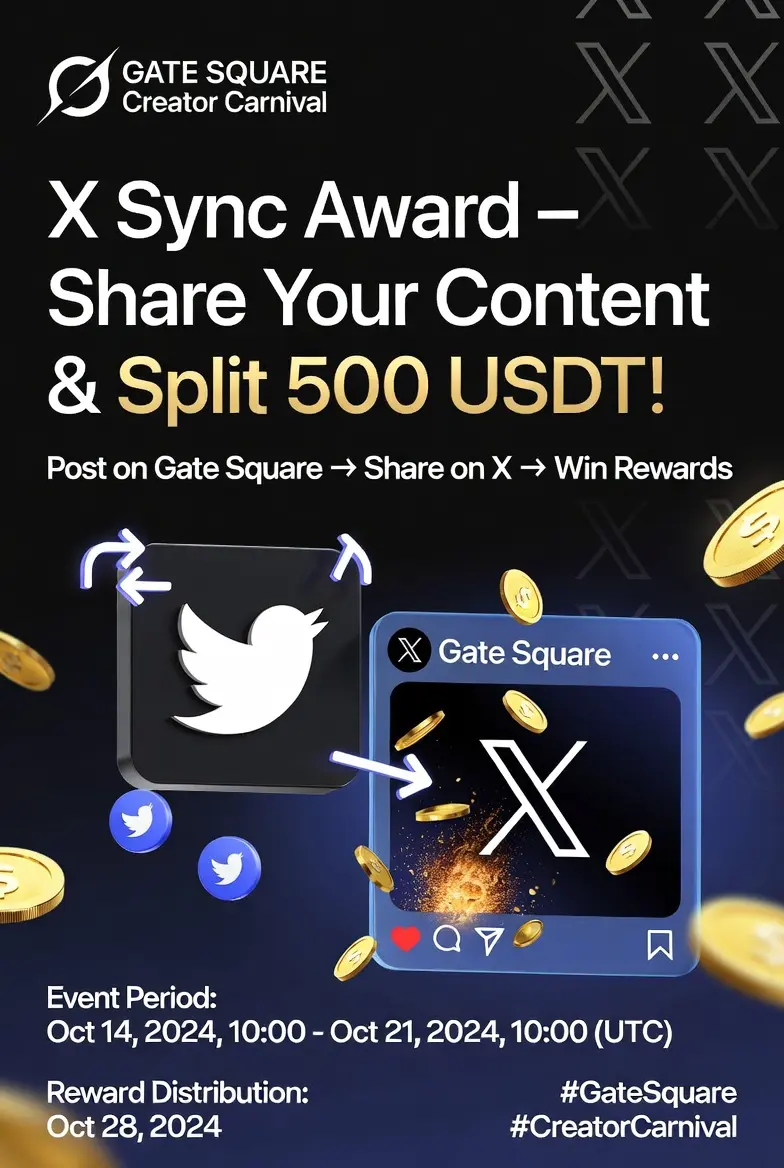
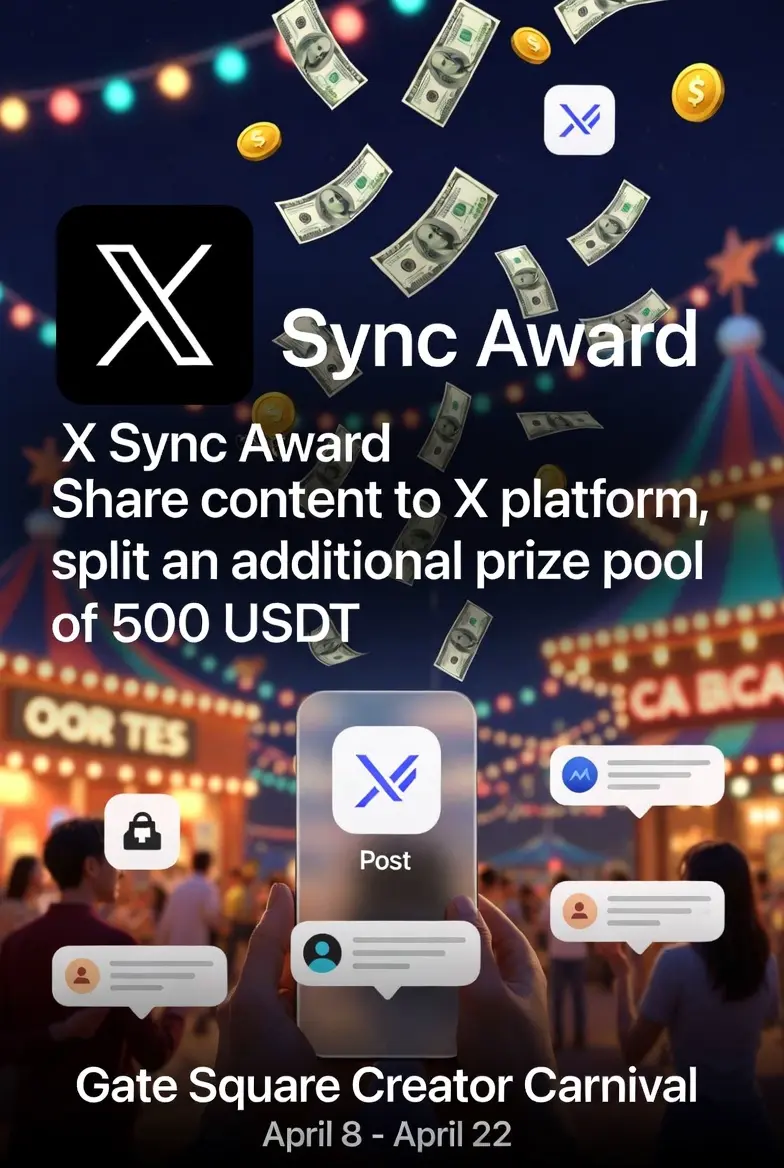
📣 X (Twitter) Sync Award — Expand Your Reach and Share 500 USDT
Visibility is everything in the digital age, and the X Sync Award is your chance to amplify your content beyond the Gate Square platform. By sharing your posts on X (formerly Twitter), you can tap into a wider audience and increase your chances of earning additional rewards.
Participants who successfully sync and share their content will compete for a share of an extra 500 USDT prize pool. This not only boosts your earning potential but also helps you build your personal brand, attract followers, and establish credibility in the crypto space. The more effectively you promote your content, the greater your chances of standing out.
💡 Key Benefits of Joining the Carnival
Participating in the Gate Square Creator Carnival offers numerous advantages beyond just financial rewards. First and foremost, it provides a platform for exposure. Your content can reach a global audience, helping you grow your personal or professional brand.
Secondly, the event encourages skill development. By creating content consistently, you refine your ability to communicate ideas, engage audiences, and produce high-quality material. These skills are invaluable in today’s digital economy.
Another major benefit is community engagement. The carnival brings together like-minded individuals who share an interest in crypto and Web3. This creates opportunities for networking, collaboration, and learning from others.
Additionally, the multi-reward structure ensures that there are several ways to win. Whether through leaderboard rankings, Telegram participation, or X sharing, you have multiple streams of opportunity to earn rewards. This inclusivity makes the event accessible and appealing to a wide range of participants.
Finally, the event adds an element of excitement and motivation. The competitive yet collaborative environment pushes creators to perform their best while enjoying the journey. It transforms content creation into a rewarding and enjoyable experience.
🔥 Why You Should Not Miss This Event
The Gate Square Creator Carnival is a rare opportunity to combine creativity with tangible rewards. With multiple prize pools totaling thousands of USDT, exclusive gift boxes, and valuable experience coupons, the incentives are truly compelling. More importantly, it offers a chance to grow, learn, and connect within a thriving ecosystem.
Whether your goal is to earn rewards, gain recognition, or simply explore your creative potential, this event has something for everyone. The limited duration adds urgency, making it important to start participating as soon as possible. Every post, every interaction, and every share counts toward your success.
🔗 Event Details: https://www.gate.com/announcements/article/50593
📝 Register Here: https://www.gate.com/questionnaire/7536
✨ Final Thoughts
The Gate Square Creator Carnival is not just an event—it’s an experience. It’s where creativity meets opportunity, where engagement leads to rewards, and where community drives success. If you’ve been looking for a platform to showcase your talent and earn at the same time, this is your moment.
Join now, start creating, stay active, and make the most of this incredible opportunity. The leaderboard is waiting, the rewards are ready, and the community is excited to see what you bring to the table.
🚀 Create. Engage. Share. Win.
#Gate广场 #创作者狂欢 #内容挖矿
#GateSquare
The wait is over! The highly anticipated Gate Square Creator Carnival has officially launched, bringing with it an exciting opportunity for creators, crypto enthusiasts, and community members to showcase their talent, amplify their voices, and earn incredible rewards. Running from April 8 to April 22, this limited-time event is designed to celebrate creativity, engagement, and the power of community within the Web3 ecosystem. Whether you are an experienced content creator or just starting your journey, this carnival offers a dynamic platform where your ideas can turn into tangible rewards.
🌟 A Celebration of Creativity and Opportunity
The Gate Square Creator Carnival is more than just a competition—it’s a celebration of innovation, storytelling, and influence. Participants are encouraged to create meaningful, engaging, and high-quality content that resonates with the community. The event structure ensures that every contribution counts, rewarding not just creativity but also consistency and interaction. By participating, you’re not only competing for rewards but also positioning yourself as a valuable voice in the rapidly growing crypto space.
🏆 Post to Climb the Leaderboard — Earn Your Share of 1,200 USDT
At the heart of the carnival lies the leaderboard challenge, where creators compete based on a comprehensive scoring system. This isn’t just about posting frequently—it’s about posting smartly. Your ranking is determined by three key factors: content quality, audience engagement, and mining rewards. This multi-dimensional evaluation ensures fairness and gives everyone a chance to shine, regardless of their follower count.
High-quality content that educates, entertains, or provides unique insights will naturally perform better. Engagement metrics such as likes, comments, shares, and interactions play a crucial role in boosting your score. Additionally, mining rewards further enhance your ranking, making this a truly integrated ecosystem of creativity and earning. At the end of the event, top performers will split a substantial 1,200 USDT prize pool, making every post an opportunity to earn.
🎁 Telegram Group Check-in — Stay Active, Get Rewarded Weekly
Consistency is key, and the Telegram check-in activity is designed to reward those who stay engaged throughout the event. By simply participating in daily or regular check-ins within the community, users unlock access to exclusive weekly rewards. Each week, lucky participants can win 3 anniversary gift boxes, filled with special surprises and commemorative items.
In addition to physical rewards, there are also 7 experience coupons worth 200 USDT each, distributed weekly. These coupons provide additional value and enhance your overall event experience. This feature encourages continuous participation and fosters a sense of belonging within the community. It’s not just about competing—it’s about connecting, interacting, and growing together.
📣 X (Twitter) Sync Award — Expand Your Reach and Share 500 USDT
Visibility is everything in the digital age, and the X Sync Award is your chance to amplify your content beyond the Gate Square platform. By sharing your posts on X (formerly Twitter), you can tap into a wider audience and increase your chances of earning additional rewards.
Participants who successfully sync and share their content will compete for a share of an extra 500 USDT prize pool. This not only boosts your earning potential but also helps you build your personal brand, attract followers, and establish credibility in the crypto space. The more effectively you promote your content, the greater your chances of standing out.
💡 Key Benefits of Joining the Carnival
Participating in the Gate Square Creator Carnival offers numerous advantages beyond just financial rewards. First and foremost, it provides a platform for exposure. Your content can reach a global audience, helping you grow your personal or professional brand.
Secondly, the event encourages skill development. By creating content consistently, you refine your ability to communicate ideas, engage audiences, and produce high-quality material. These skills are invaluable in today’s digital economy.
Another major benefit is community engagement. The carnival brings together like-minded individuals who share an interest in crypto and Web3. This creates opportunities for networking, collaboration, and learning from others.
Additionally, the multi-reward structure ensures that there are several ways to win. Whether through leaderboard rankings, Telegram participation, or X sharing, you have multiple streams of opportunity to earn rewards. This inclusivity makes the event accessible and appealing to a wide range of participants.
Finally, the event adds an element of excitement and motivation. The competitive yet collaborative environment pushes creators to perform their best while enjoying the journey. It transforms content creation into a rewarding and enjoyable experience.
🔥 Why You Should Not Miss This Event
The Gate Square Creator Carnival is a rare opportunity to combine creativity with tangible rewards. With multiple prize pools totaling thousands of USDT, exclusive gift boxes, and valuable experience coupons, the incentives are truly compelling. More importantly, it offers a chance to grow, learn, and connect within a thriving ecosystem.
Whether your goal is to earn rewards, gain recognition, or simply explore your creative potential, this event has something for everyone. The limited duration adds urgency, making it important to start participating as soon as possible. Every post, every interaction, and every share counts toward your success.
🔗 Event Details: https://www.gate.com/announcements/article/50593
📝 Register Here: https://www.gate.com/questionnaire/7536
✨ Final Thoughts
The Gate Square Creator Carnival is not just an event—it’s an experience. It’s where creativity meets opportunity, where engagement leads to rewards, and where community drives success. If you’ve been looking for a platform to showcase your talent and earn at the same time, this is your moment.
Join now, start creating, stay active, and make the most of this incredible opportunity. The leaderboard is waiting, the rewards are ready, and the community is excited to see what you bring to the table.
🚀 Create. Engage. Share. Win.
#Gate广场 #创作者狂欢 #内容挖矿
#GateSquare