Gate News covers crypto market trends, price movements, project developments, and in-depth analysis to help you stay informed with essential crypto insights.
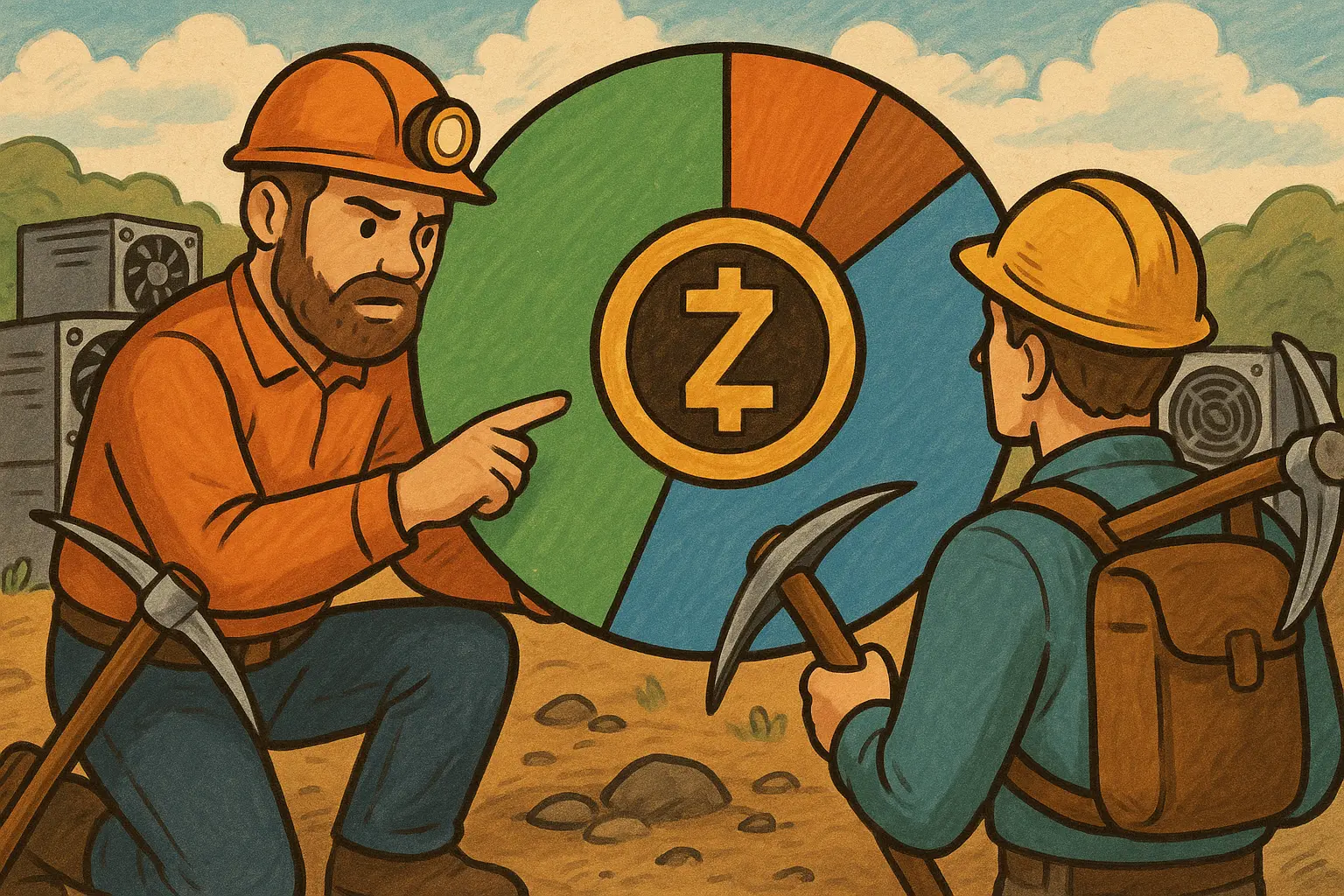
Foundry Digital launched its Zcash mining pool, capturing 29% of the network's hashrate shortly after its announcement. They also introduced Zcashinfo.com, a block explorer for transaction tracking, further enhancing infrastructure for the Zcash ecosystem.
NEO FANTASY announced a partnership with DDEX to enhance digital ownership for GameFi users by integrating decentralized trading into its blockchain gaming platform. This collaboration aims to provide players access to diverse digital assets and foster new interactive experiences in decentralized finance.
In brief
ASI Alliance and Matterhorn said they are building tools to reduce risks from AI-generated blockchain code.
The platform combines automated analysis, human review, and testing tools to audit smart contracts before deployment.
The partnership runs on ASI:Chain and aims to
Reform UK leader Nigel Farage bought Bitcoin with roughly £2 million, becoming the first sitting member of Parliament to publicly disclose an investment of this size. The move highlights his party’s support for cryptoassets and could spark debate about the impact on the UK’s crypto policy and potential conflicts of interest. Farage invested via Stack BTC, strengthening his dual political and financial endorsement.
Foundry Zcash, the Zcash mining pool under Foundry Digital, the operator of a cryptocurrency mining pool, quickly accumulated 29.2% of Zcash hashrate after its launch, squeezing the market share of the leading mining pool, ViaBTC. This shift has boosted the Zcash network’s decentralization and security, reducing the risk of 51% attacks, while the ZEC price surged significantly due to institutional participation and the appeal of privacy technology.
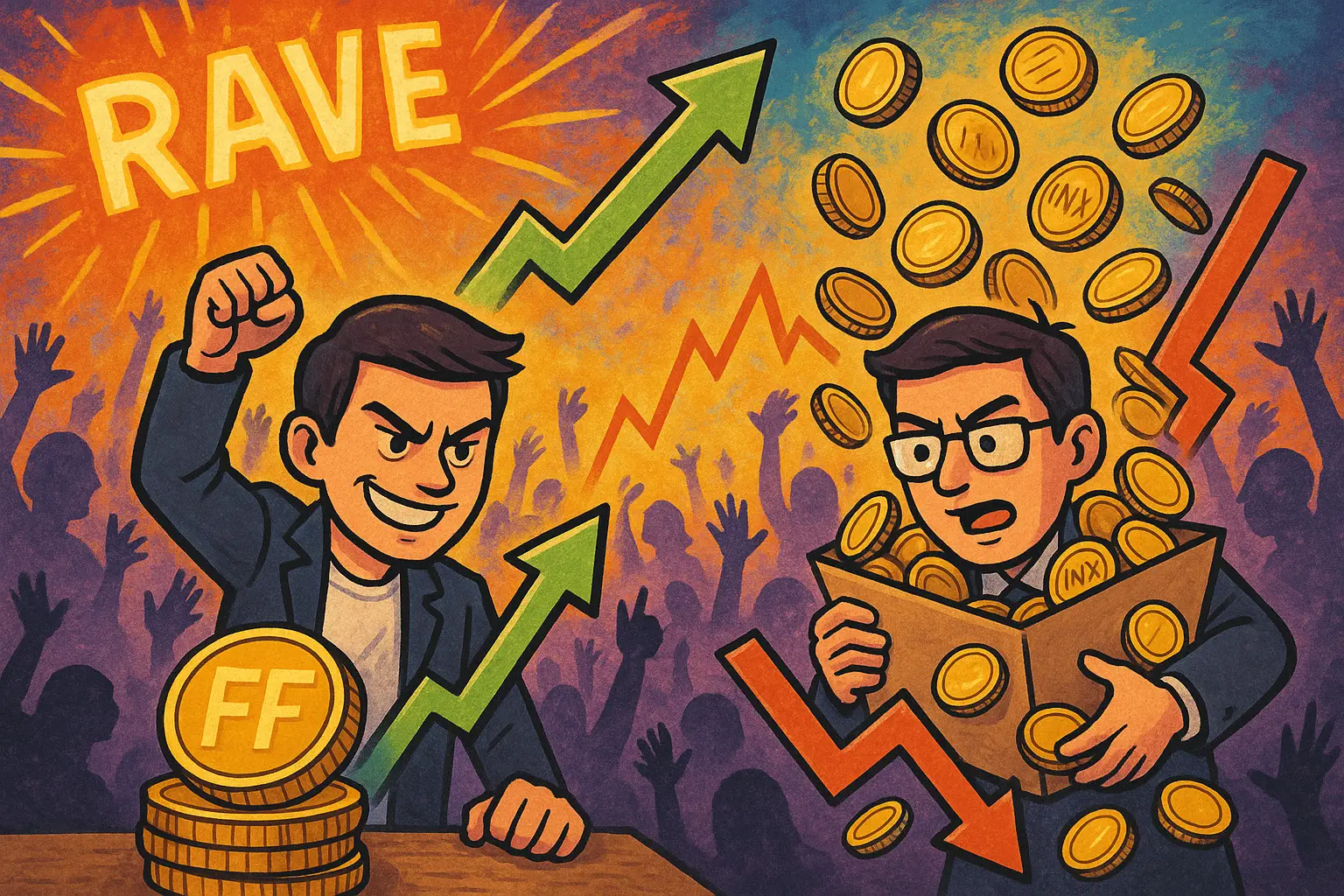
Recently, altcoins represented by RAVE have sparked a fierce investment craze, but some old star projects like FF and INX have used this wave of hype to carry out “pump-and-dump” operations—rapidly driving up coin prices to lure retail investors to buy, and then dumping them heavily, causing the price to plunge rapidly. Such behavior not only exposes the project team’s funding difficulties, but also damages investors’ trust. Investors need to stay alert to signals like abnormal short-term surges in order to avoid the risk of being manipulated by the market.
Bitcoin Cash is officially live on Lava Network, and it is a big advancement towards decentralized infrastructure to support scalable payments. The integration brings on board RPC access to BCH mainnet and BCH testnet which allows developers, applications and users to interact with the network
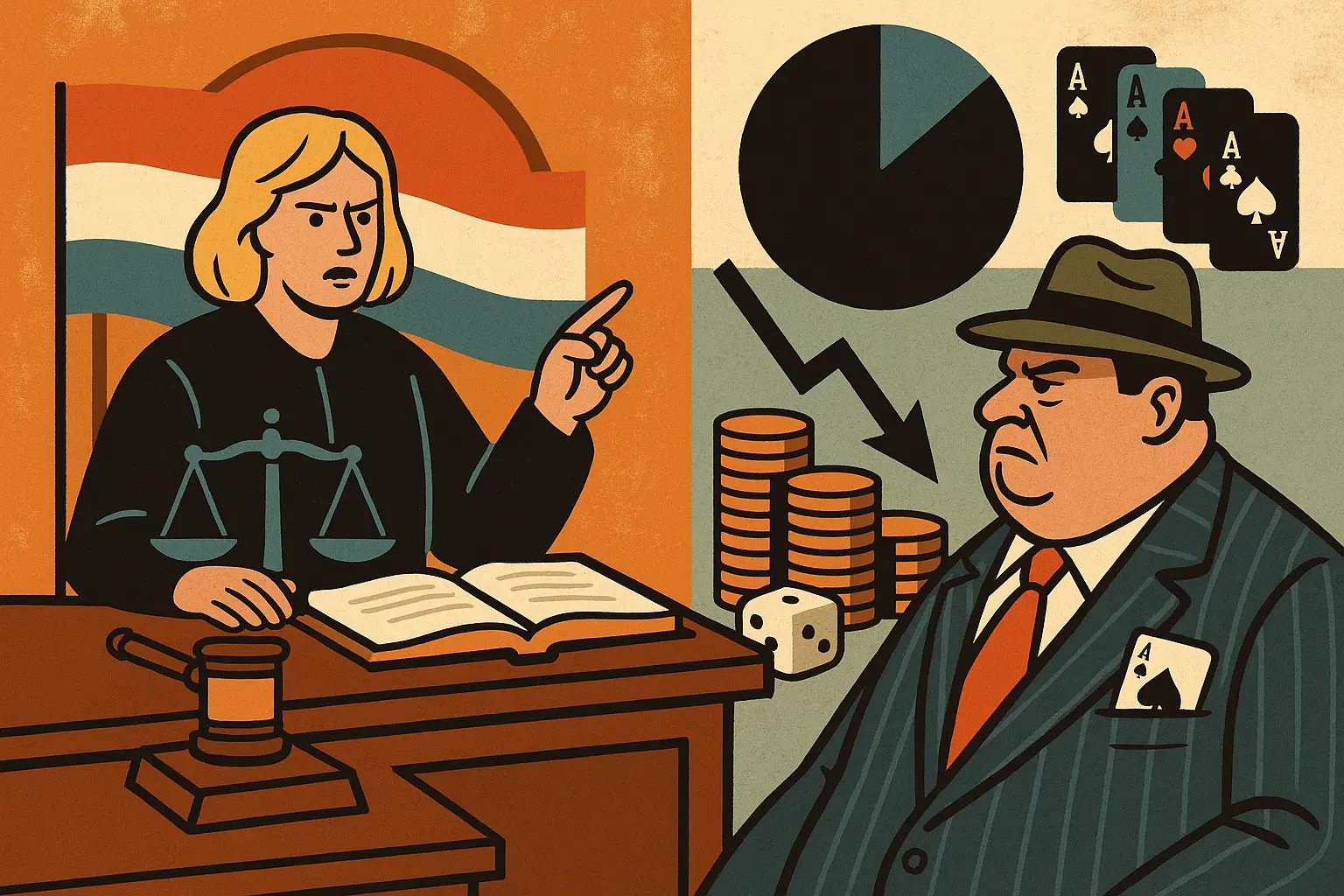
Dutch state lottery operator Nederlandse Loterij filed a civil lawsuit against Qbet, the Netherlands’ largest unlicensed online gambling platform. The first hearing will be held on April 9. The move is intended to directly pursue the legal responsibility of offshore shell companies and individual directors, protecting consumers from illegal gambling risks. Recently, the KSA issued fines to the relevant operators, but this was still criticized as insufficient, showing that there are gaps in current regulation. If this litigation strategy succeeds, it will provide an enforcement precedent for other European markets.
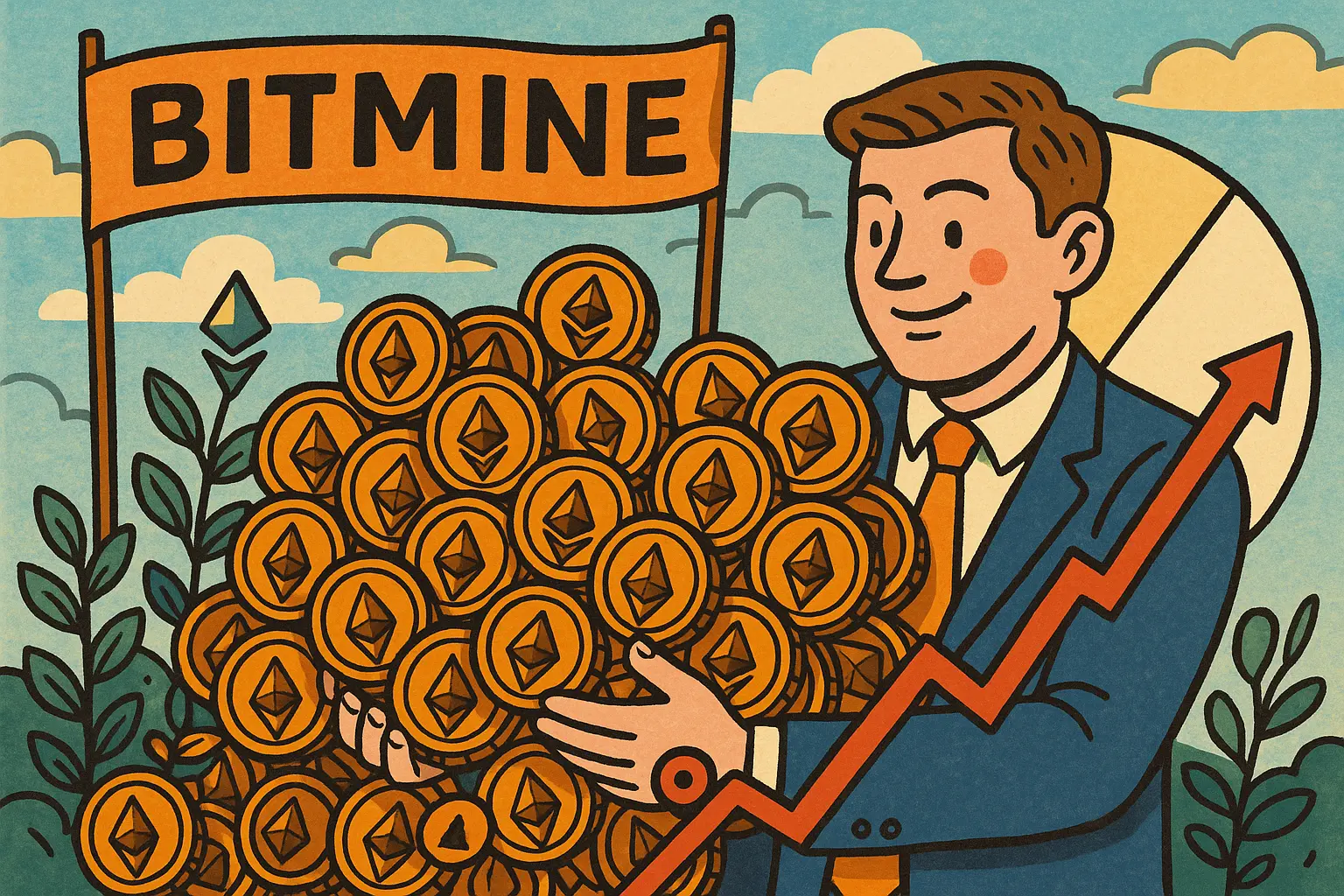
Ethereum Treasury Company Bitmine recently increased its holdings by 71,524 ETH, bringing its total position to about 4.87 million ETH, nearing its 5% target. Despite having $6.0 billion in paper losses, Bitmine still has $11.8 billion in total assets, and defines ETH as a “wartime value storage method.” This move reflects its confidence in Ethereum’s long-term value.
Const, co‑founder of Bittensor, has officially addressed the Samuel Dare (Covenant) betrayal that rocked the TAO community. In a lengthy X post, he apologized to every holder who lost money in the Covenant subnets (3, 39, and 81). He called Samuel a person he once considered a brother,
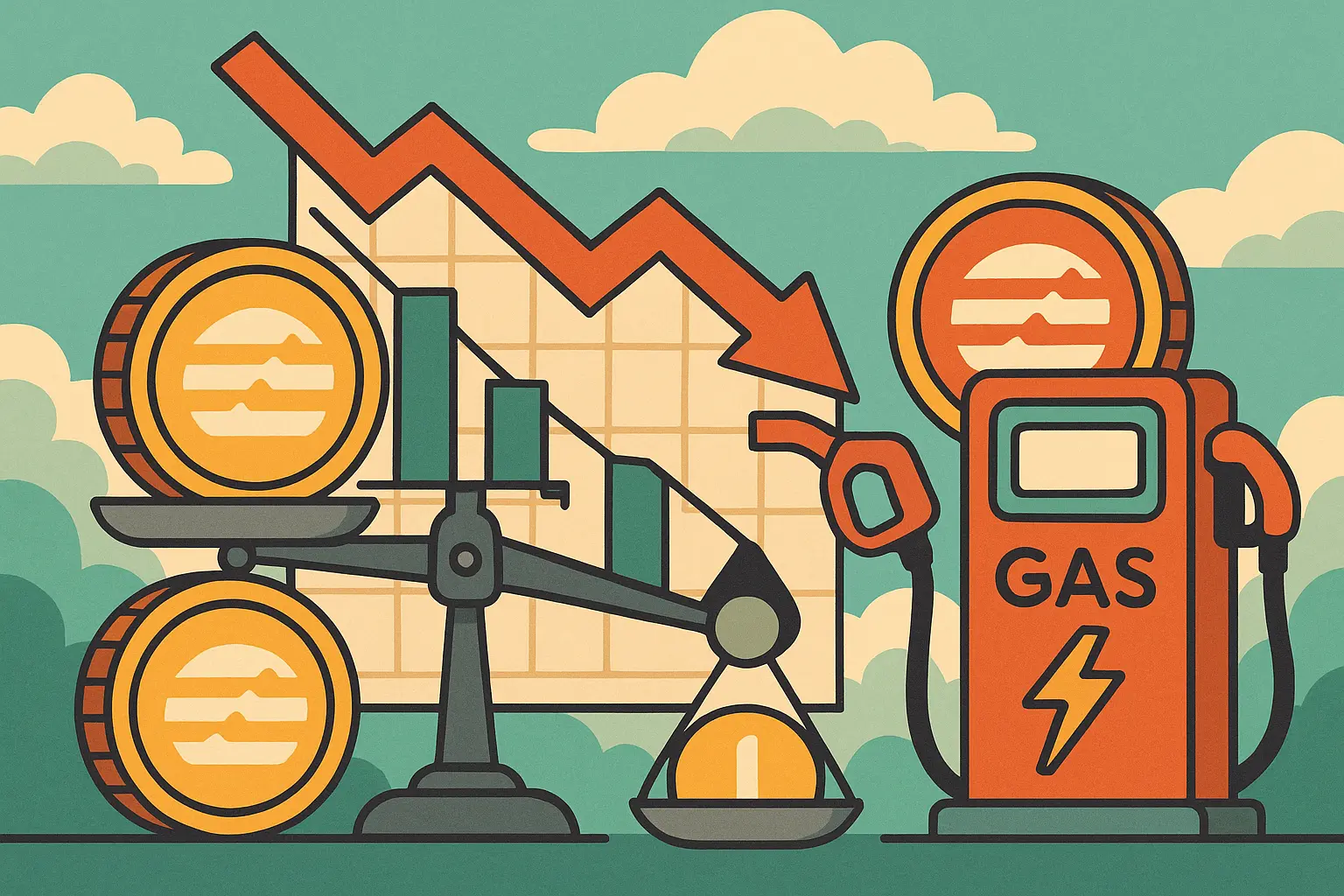
Aptos Foundation updated its tokenomics on April 14. The main reforms include lowering the staking annualized rate to 2.6%, increasing Gas fees by 10x, setting a supply cap of 2.1 billion tokens, and permanently locking 210 million APT. This adjustment is intended to shift the supply model from a “subsidy-driven” approach to a “performance-driven” one, in order to achieve a deflationary target and encourage long-term participation.
A new Oumi study, reported by The New York Times, found Google's AI Overviews inaccurate 9% of the time — translating to tens of millions of wrong answers per hour at Google's scale. Over half of accurate responses also cited sources that don't fully support their claims, while Google called the study "seriously flawed."
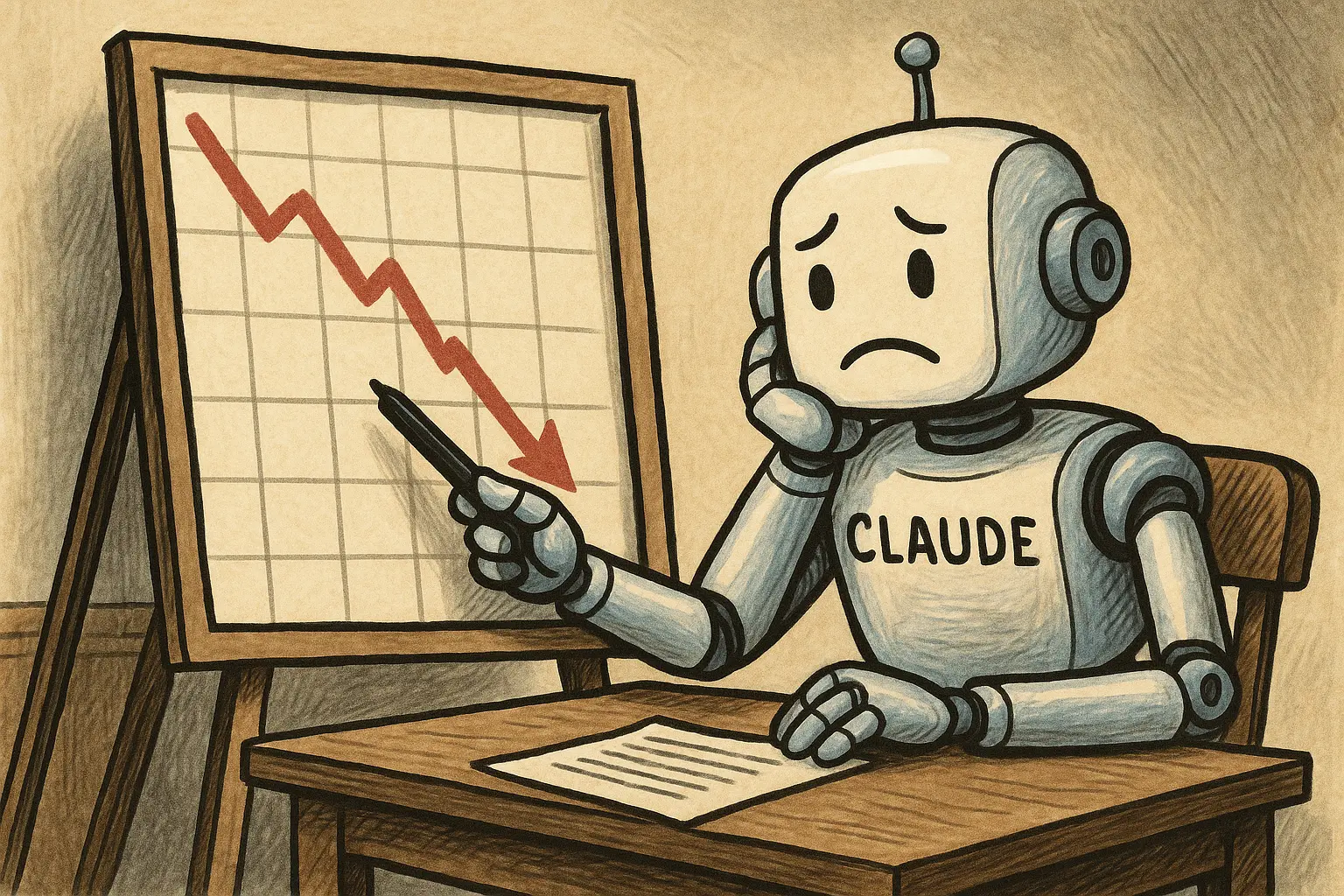
Anthropic's Claude AI is facing an unusual credibility problem: mounting quality complaints on GitHub, a major April 13 outage, and a self-assessment from the model itself concluding concerns have "escalated sharply" since January — with April on pace to surpass March's complaint volume, already a 3.5× jump over baseline.
In a significant development showcasing Monad’s commitment to digital asset security and user-driven solutions on its EVM-compatible Layer-1 blockchain, the protocol today entered into a strategic partnership with Ledger Wallet, a cold hardware non-custodial wallet infrastructure. This