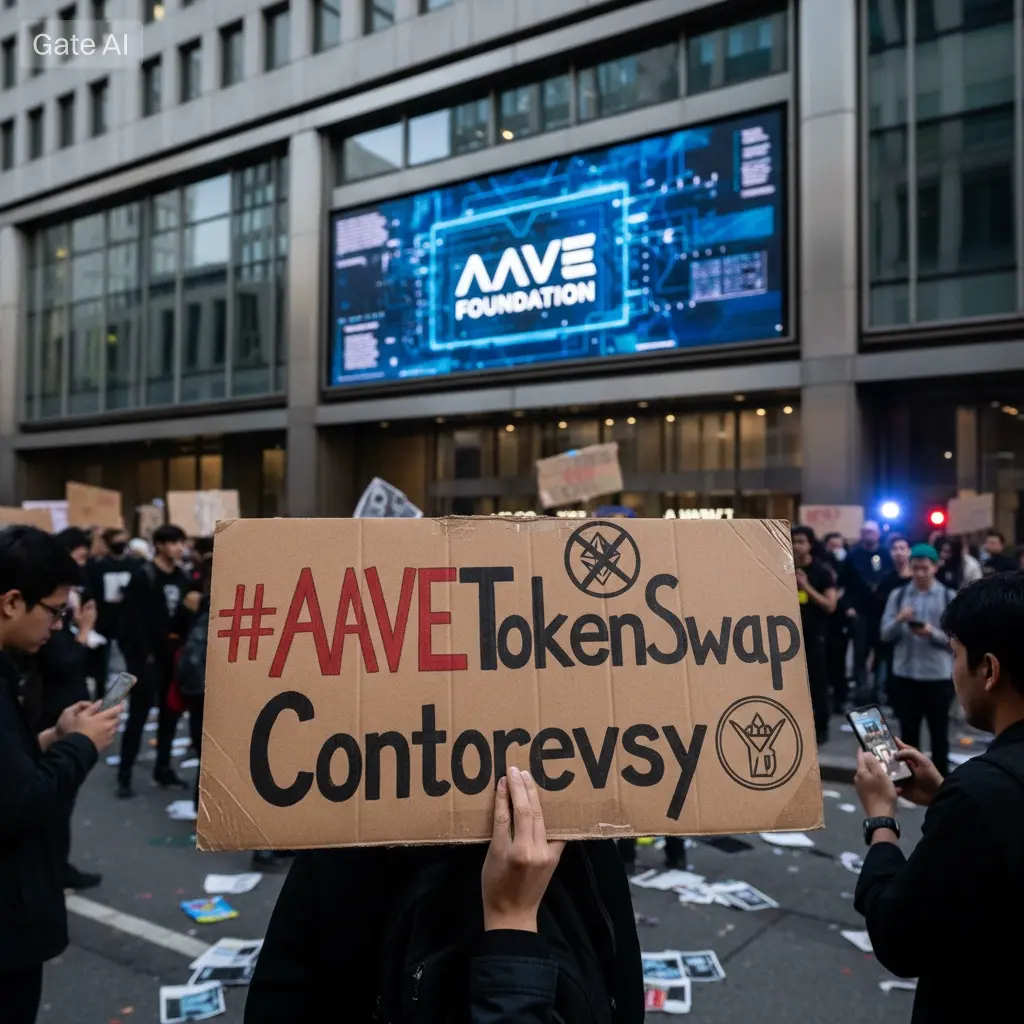
#AAVETokenSwapControversy
Current Situation of Aave
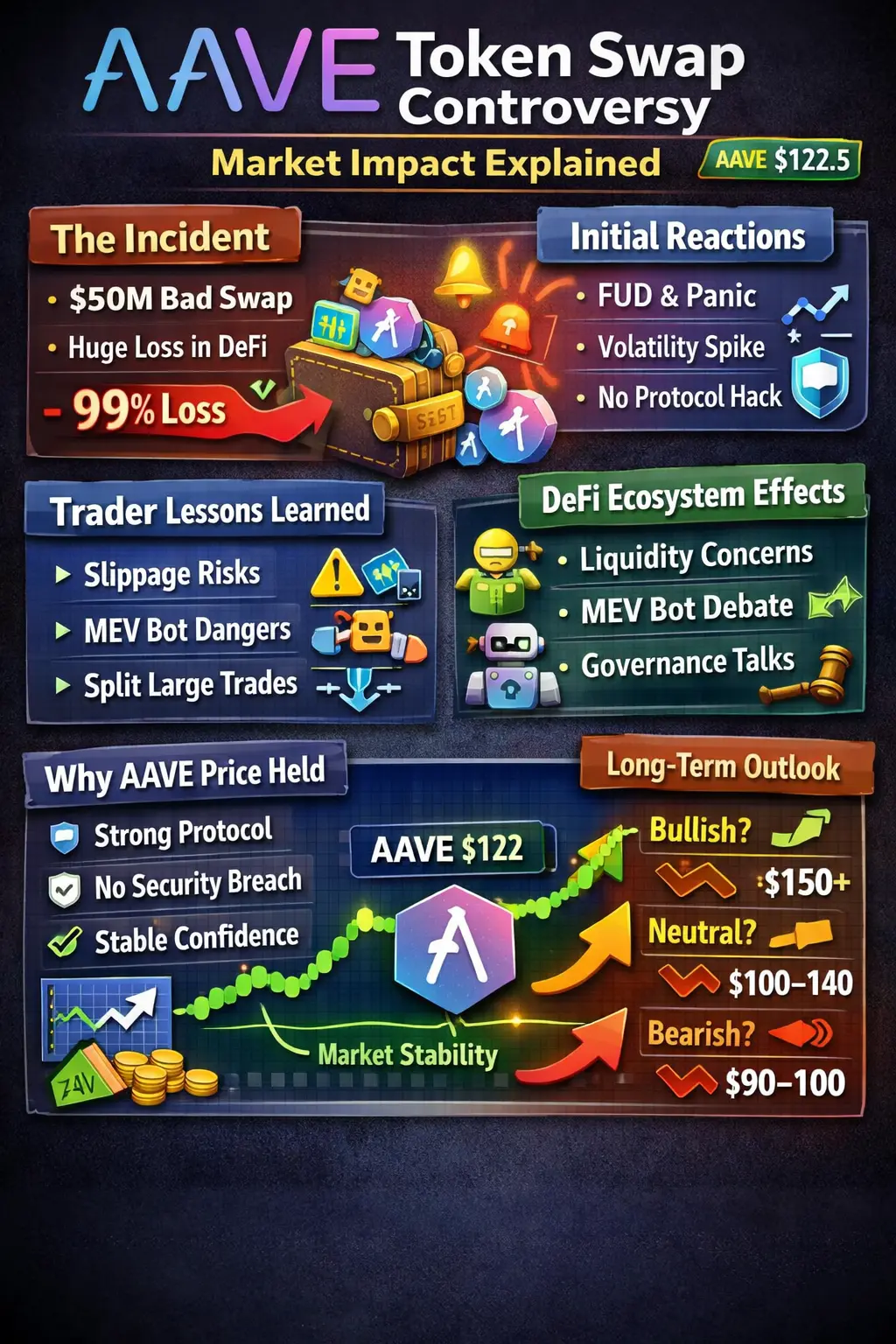
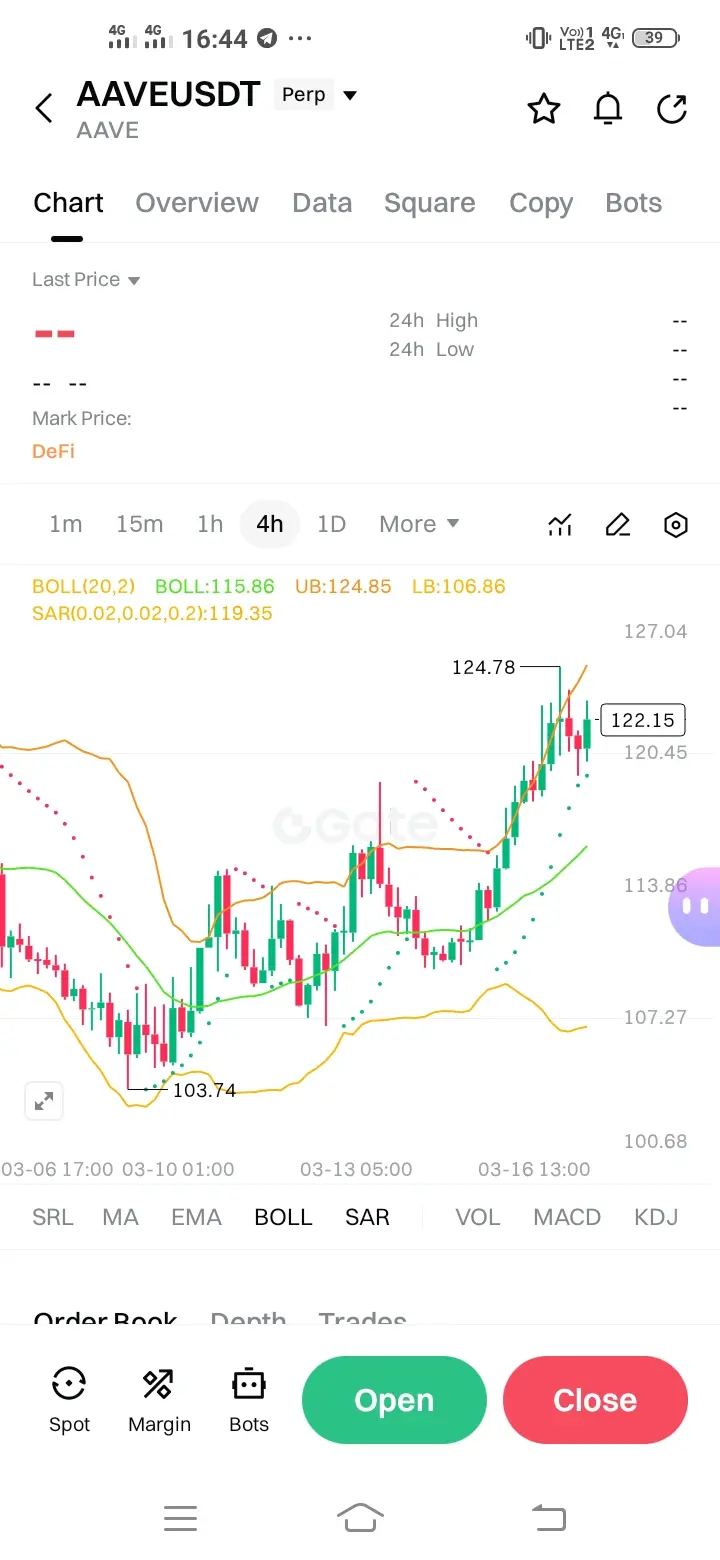
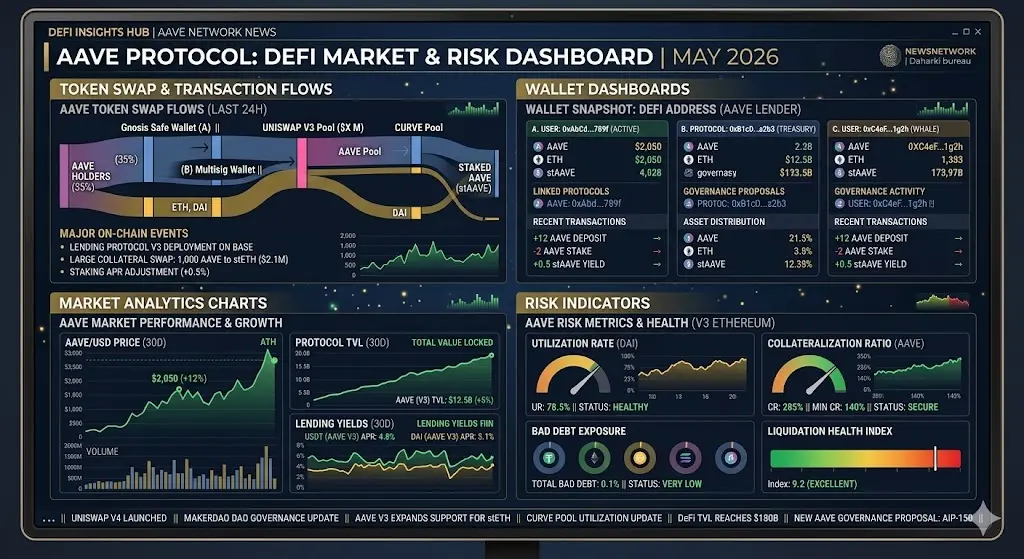
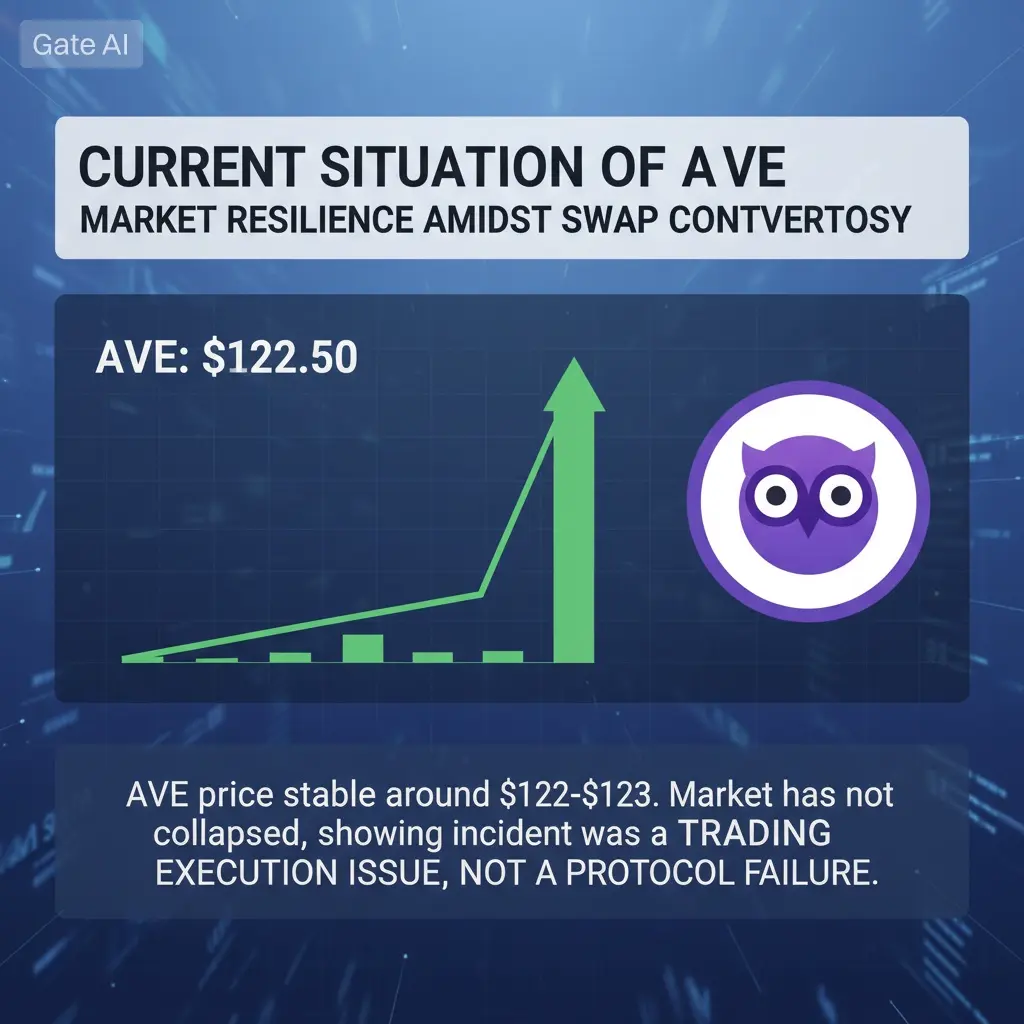
Right now AAVE price is around $122–$123, which means the market has not collapsed despite the swap controversy. This is important because it shows that the incident was a trading execution issue, not a protocol failure.
1️⃣ Immediate Market Reaction
When the controversy happened, the first reaction in the market was confusion and fear.
Large unexpected losses in DeFi usually trigger:
panic discussions on crypto Twitter
rumors about hacks or exploits
short-term volatility
However, in this case investors quickly realized that:
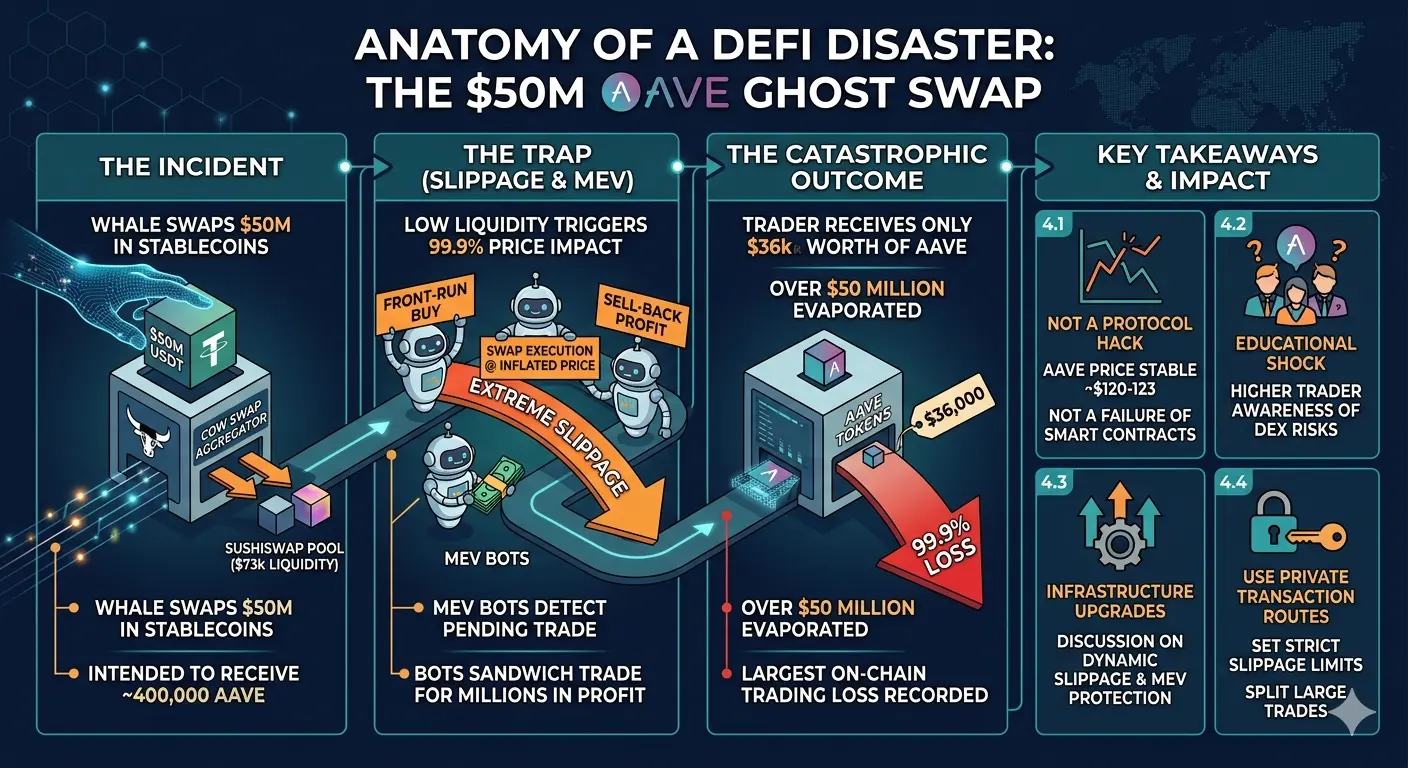
the Aave protocol itself was not hacked
the loss came from a bad swap execution
Because of this, AAVE price did not crash heavily.
This is why the market remained relatively stable near $120+ levels.
2️⃣ Impact on Trader Confidence
Even though the protocol was safe, the event created psychological fear among traders.
Many traders realized that:
• Large swaps on DEXs can be extremely dangerous
• Liquidity matters more than people think
• Slippage settings can destroy trades
So the biggest impact was education through shock.
After this incident, many traders started:
splitting large trades into smaller ones
using MEV protection tools
checking liquidity depth before swapping
3️⃣ Effect on DeFi Infrastructure
The controversy highlighted weaknesses in decentralized exchange mechanics.
In traditional exchanges:
order books control execution
big trades are matched gradually
But in DeFi AMM systems:
price moves automatically with liquidity
large swaps push price aggressively
This event pushed developers to discuss improvements such as:
• better trade routing
• dynamic slippage protection
• warning systems before large swaps
• MEV protection integration
So long term, this incident may actually improve DeFi infrastructure.
4️⃣ Role of MEV Bots
Another huge discussion point was MEV bots.
Bots constantly monitor the blockchain mempool.
When they detect a huge trade incoming, they:
buy the token before the trade
push price higher
sell after the trade
This is called sandwich trading.
If bots participated in this swap, they could have extracted huge profits while the trader absorbed the loss.
This raises questions about fairness in DeFi markets.
5️⃣ Impact on AAVE Ecosystem
The controversy also triggered governance discussion inside the **Aave DAO community.
Community members began asking:
Should there be better UI warnings?
Should aggregators protect users from extreme slippage?
Should DeFi protocols add trade-risk indicators?
These discussions could shape future Aave ecosystem upgrades.
6️⃣ Why AAVE Price Stayed Strong
The reason AAVE stayed near $120+ is simple.
The incident did NOT involve:
❌ protocol hack
❌ smart contract exploit
❌ liquidity pool drain
❌ security failure
It was simply a badly executed trade.
Investors therefore did not lose trust in the **Aave protocol itself.
7️⃣ Long-Term Market Effect
Long term this event could actually be bullish for DeFi education.
The crypto market learned:
DeFi gives full freedom
but full responsibility too
Events like this push the ecosystem toward:
• smarter trading tools
• better user protection
• deeper liquidity markets
8️⃣ Possible Future Price Impact
If the AAVE ecosystem continues growing in DeFi lending and liquidity, the controversy itself will likely have minimal long-term price damage.
Possible scenarios:
Bullish case
DeFi growth continues
AAVE demand rises
price can move toward $150–$180
Neutral case
market consolidation
AAVE moves between $100–$140
Bearish case
crypto market downturn
AAVE may retest $90–$100
✅ Simple Conclusion
The AAVE Token Swap Controversy was not a protocol failure but a trading execution disaster.
The biggest impact was on trader awareness, DeFi infrastructure discussions, and MEV bot debates, while the AAVE market itself remained relatively stable around $120, showing strong confidence in the protocol.
Current Situation of Aave
Right now AAVE price is around $122–$123, which means the market has not collapsed despite the swap controversy. This is important because it shows that the incident was a trading execution issue, not a protocol failure.
1️⃣ Immediate Market Reaction
When the controversy happened, the first reaction in the market was confusion and fear.
Large unexpected losses in DeFi usually trigger:
panic discussions on crypto Twitter
rumors about hacks or exploits
short-term volatility
However, in this case investors quickly realized that:
the Aave protocol itself was not hacked
the loss came from a bad swap execution
Because of this, AAVE price did not crash heavily.
This is why the market remained relatively stable near $120+ levels.
2️⃣ Impact on Trader Confidence
Even though the protocol was safe, the event created psychological fear among traders.
Many traders realized that:
• Large swaps on DEXs can be extremely dangerous
• Liquidity matters more than people think
• Slippage settings can destroy trades
So the biggest impact was education through shock.
After this incident, many traders started:
splitting large trades into smaller ones
using MEV protection tools
checking liquidity depth before swapping
3️⃣ Effect on DeFi Infrastructure
The controversy highlighted weaknesses in decentralized exchange mechanics.
In traditional exchanges:
order books control execution
big trades are matched gradually
But in DeFi AMM systems:
price moves automatically with liquidity
large swaps push price aggressively
This event pushed developers to discuss improvements such as:
• better trade routing
• dynamic slippage protection
• warning systems before large swaps
• MEV protection integration
So long term, this incident may actually improve DeFi infrastructure.
4️⃣ Role of MEV Bots
Another huge discussion point was MEV bots.
Bots constantly monitor the blockchain mempool.
When they detect a huge trade incoming, they:
buy the token before the trade
push price higher
sell after the trade
This is called sandwich trading.
If bots participated in this swap, they could have extracted huge profits while the trader absorbed the loss.
This raises questions about fairness in DeFi markets.
5️⃣ Impact on AAVE Ecosystem
The controversy also triggered governance discussion inside the **Aave DAO community.
Community members began asking:
Should there be better UI warnings?
Should aggregators protect users from extreme slippage?
Should DeFi protocols add trade-risk indicators?
These discussions could shape future Aave ecosystem upgrades.
6️⃣ Why AAVE Price Stayed Strong
The reason AAVE stayed near $120+ is simple.
The incident did NOT involve:
❌ protocol hack
❌ smart contract exploit
❌ liquidity pool drain
❌ security failure
It was simply a badly executed trade.
Investors therefore did not lose trust in the **Aave protocol itself.
7️⃣ Long-Term Market Effect
Long term this event could actually be bullish for DeFi education.
The crypto market learned:
DeFi gives full freedom
but full responsibility too
Events like this push the ecosystem toward:
• smarter trading tools
• better user protection
• deeper liquidity markets
8️⃣ Possible Future Price Impact
If the AAVE ecosystem continues growing in DeFi lending and liquidity, the controversy itself will likely have minimal long-term price damage.
Possible scenarios:
Bullish case
DeFi growth continues
AAVE demand rises
price can move toward $150–$180
Neutral case
market consolidation
AAVE moves between $100–$140
Bearish case
crypto market downturn
AAVE may retest $90–$100
✅ Simple Conclusion
The AAVE Token Swap Controversy was not a protocol failure but a trading execution disaster.
The biggest impact was on trader awareness, DeFi infrastructure discussions, and MEV bot debates, while the AAVE market itself remained relatively stable around $120, showing strong confidence in the protocol.