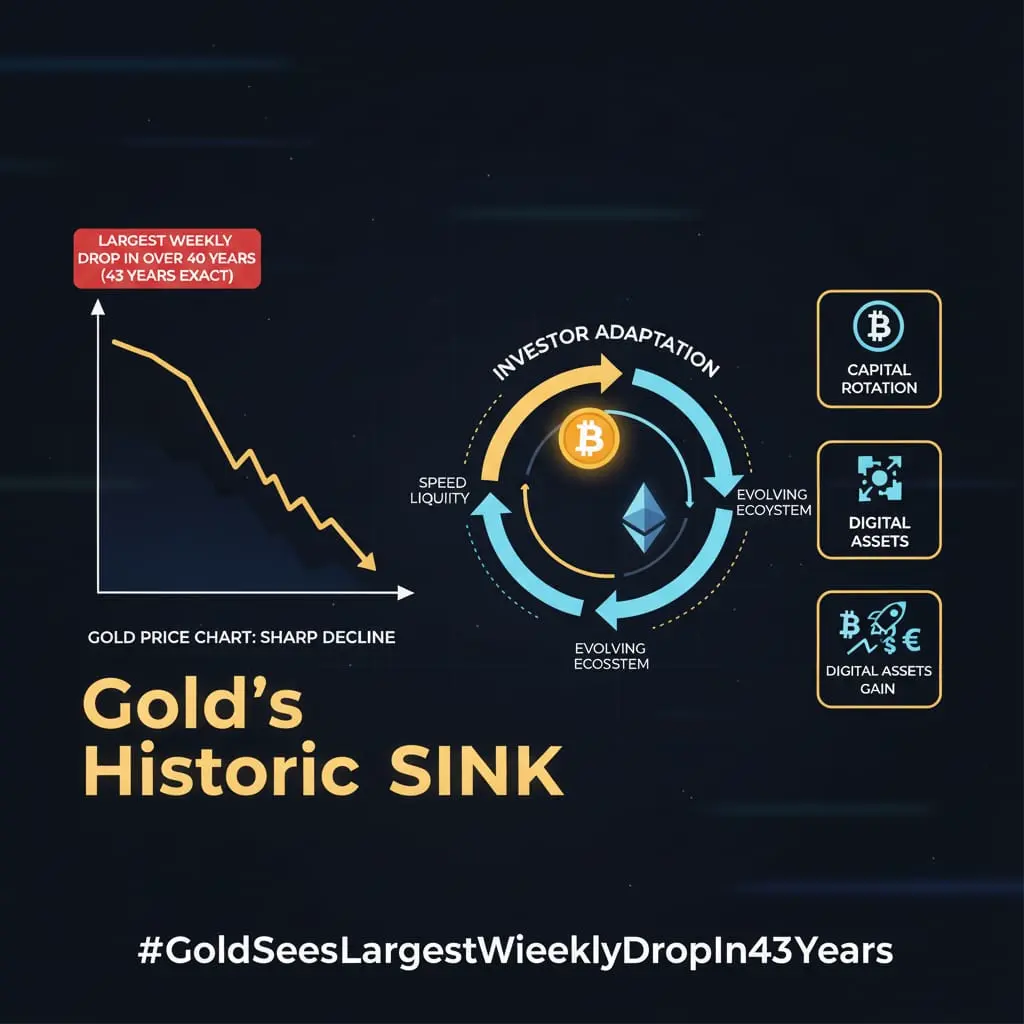
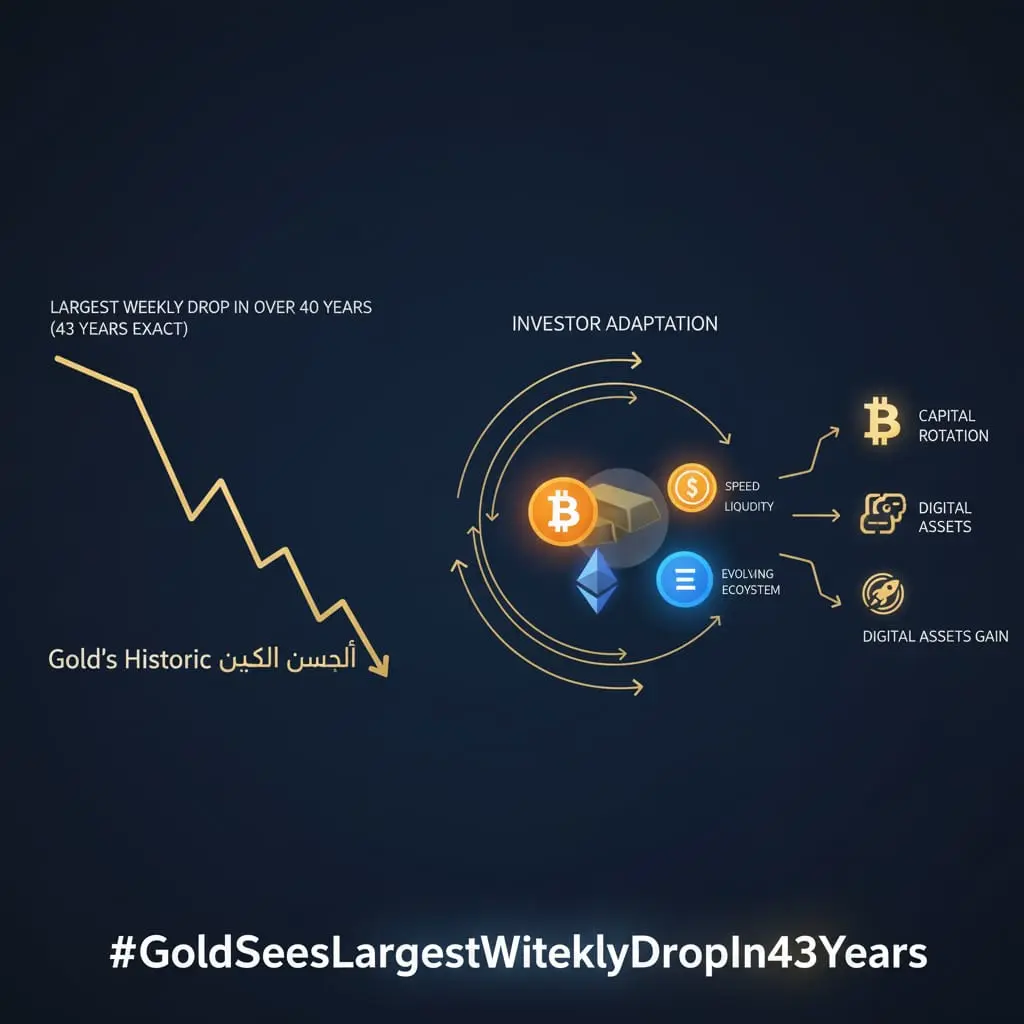
# GoldSeesLargestWeeklyDropIn43Years

5M
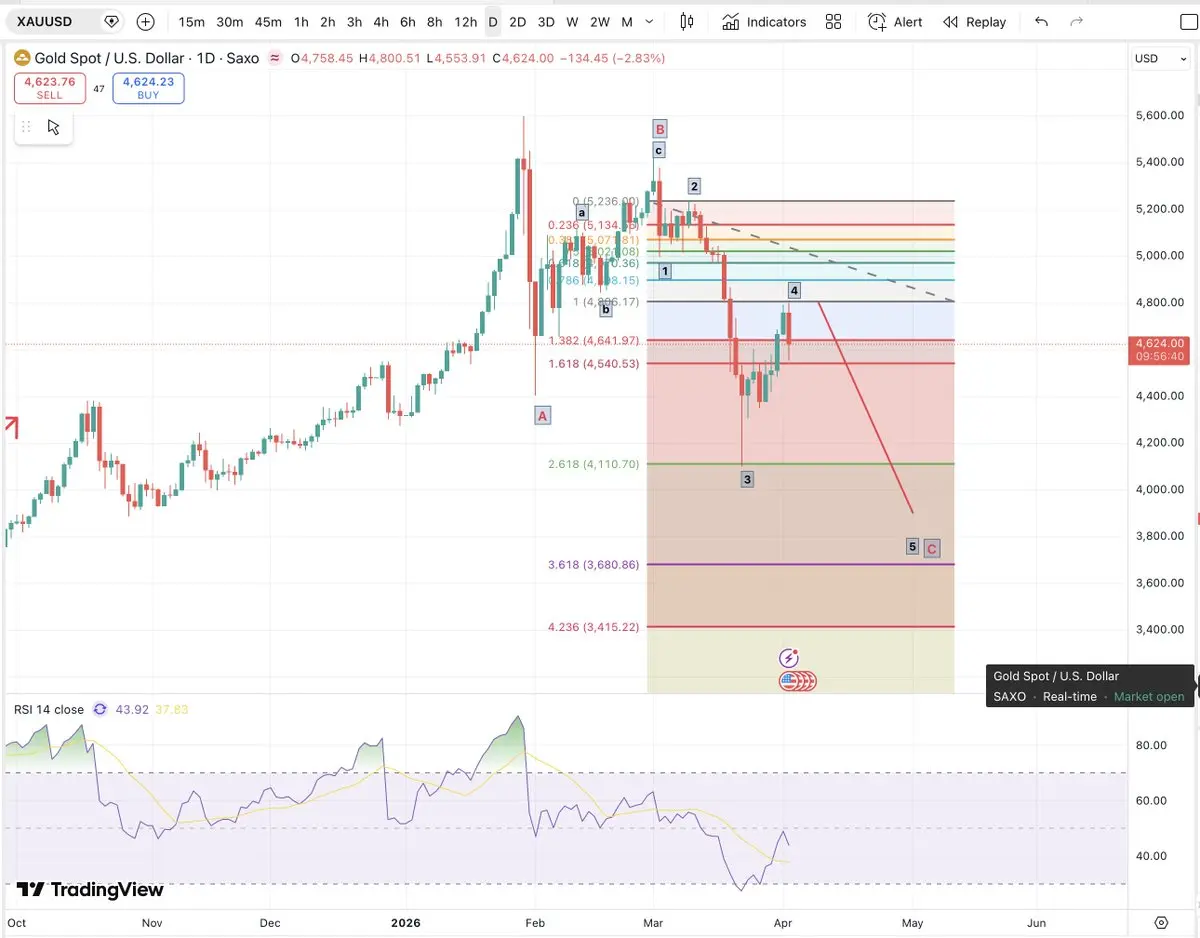
Gold is currently being massively sold off! ⚠️
New low reached. Structure broken.
And the crazy thing is:
This is happening amidst geopolitical uncertainty.
That should actually be bullish for gold.
But it isn't.
Many don't understand what's really going on.
Because this isn't a typical "gold is weakening" scenario.
This is a clear signal of a specific market regime.
Normally, the rule is:
War, uncertainty, inflation --> gold rises.
Now the opposite is happening.
And that's the crucial clue.
The current chain of events:
Oil rises --> inflation expectations rise --> interest rate cuts are postp
BTC-0,56%
post-image
  • Reward
  • Comment
  • Repost
  • Share
#GoldSeesLargestWeeklyDropIn43Years
Gold Under Pressure: Hawkish Policy Outlook Drives XAUT Into Bearish Breakdown
Gold is continuing its decline for the third week, dropping to new lows near $4,300 during the Asian session. The overall outlook is weak, pressured by central banks’ tighter policies, while geopolitical tensions provide only limited support.
On the fundamental side, major central banks have taken a clearly hawkish stance. The Bank of Japan is moving toward normalizing policy, the Bank of England hints at possible rate hikes as soon as April, and the European Central Bank stands
XAUUSD-5,54%
post-image
  • Reward
  • Comment
  • Repost
  • Share
The Contrarian PerspectiveWhen the Market Bleeds: Why "Extreme Fear" History Suggests a Turning Point is Near (Data Analysis).
#GoldSeesLargestWeeklyDropIn43Years #MiddleEastTensionsTriggerMarketSelloff #SaylorReleasesBitcoinTrackerUpdate
post-image
  • Reward
  • Comment
  • Repost
  • Share
#GoldSeesLargestWeeklyDropIn43Years
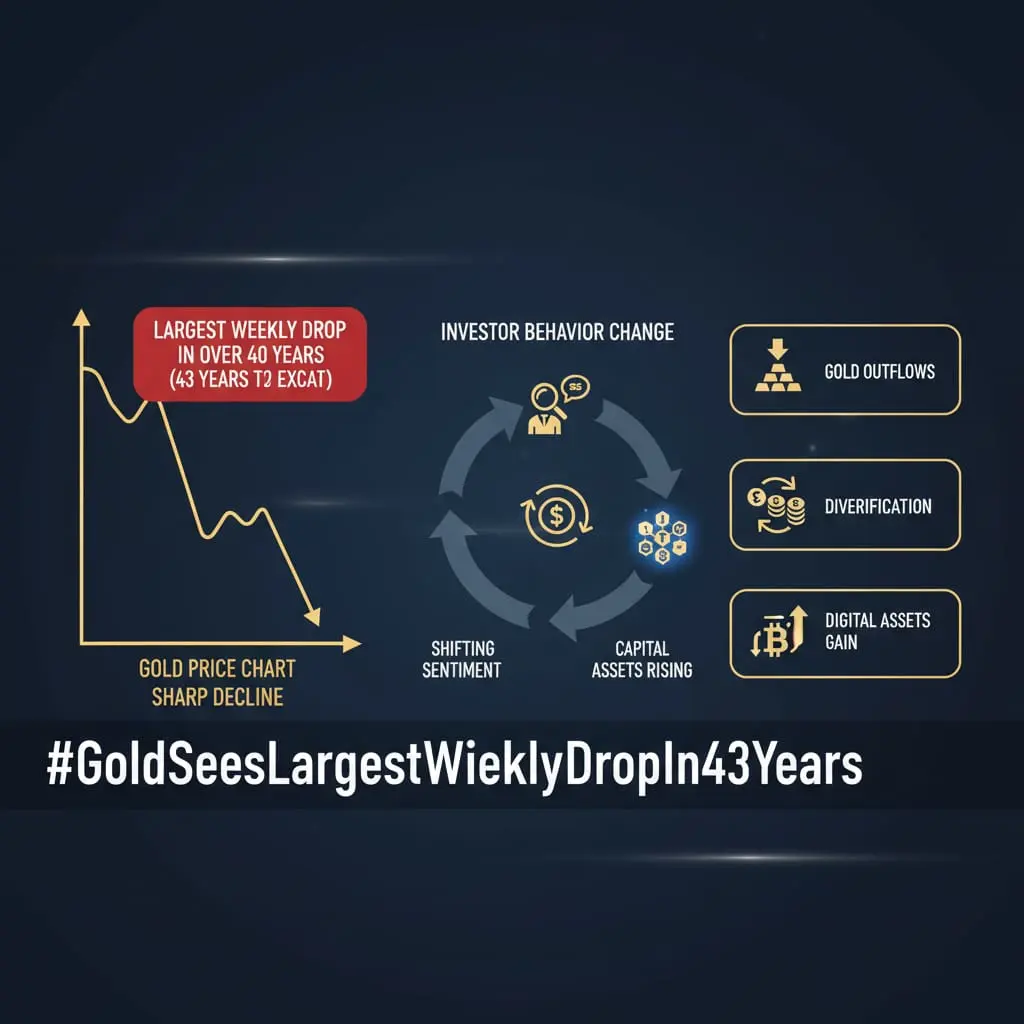
In a stunning turn of events, the global gold market has just experienced its largest weekly decline in over four decades. This sharp drop has caught investors, analysts, and traders off guard, shaking long-held assumptions about gold’s role as a stable safe-haven asset.
For years, gold has been viewed as a reliable hedge against inflation, geopolitical tensions, and economic uncertainty. However, this week’s dramatic fall highlights how even the most trusted assets are not immune to shifting macroeconomic forces.
So, what’s behind this historic plunge?
A k
post-image
post-image
  • Reward
  • Comment
  • Repost
  • Share
#GoldSeesLargestWeeklyDropIn43Years
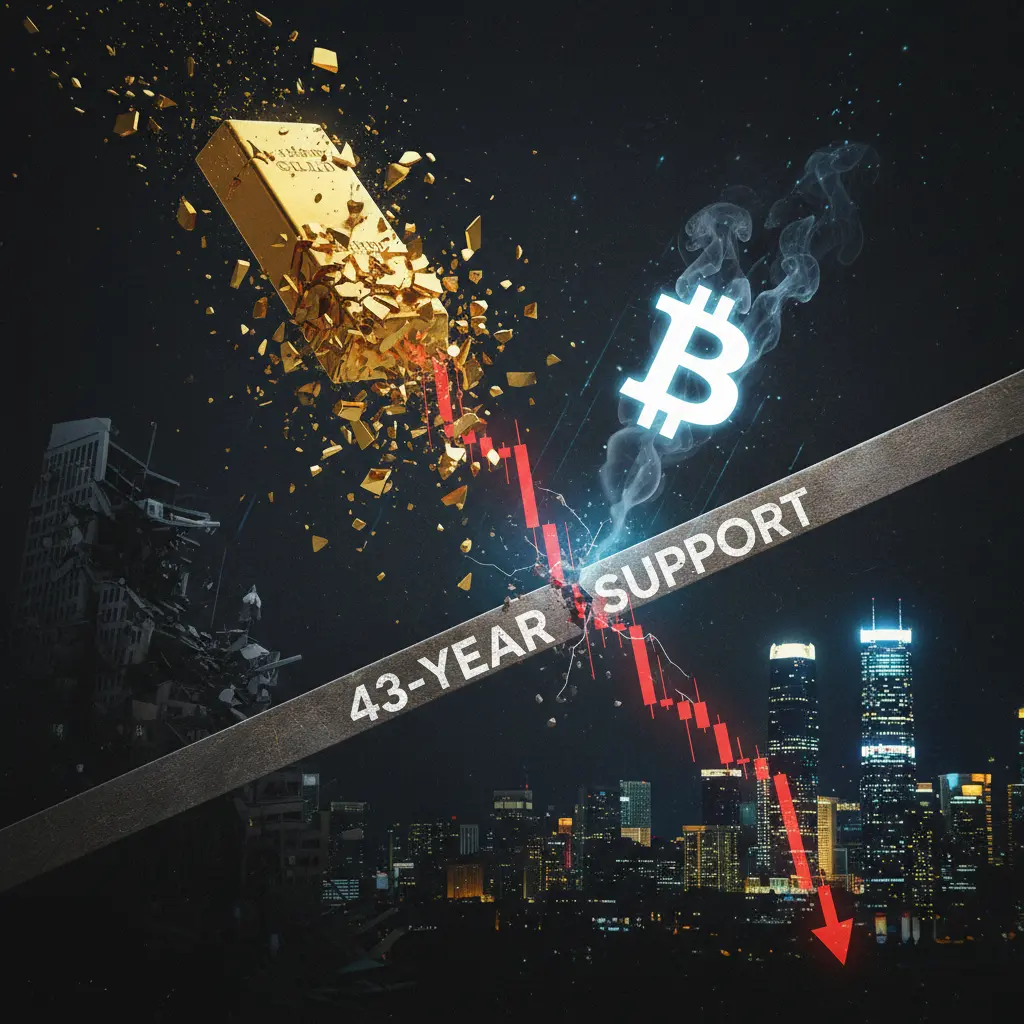
Gold’s recent collapse is not just a price move—it’s a structural anomaly.
In a week where geopolitical tension, inflation pressure, and energy shocks intensified, gold did something unexpected:
It broke its own safe-haven narrative.
Gold dropped nearly 10–11% in a single week, marking its worst decline since 1983.
🔍 What’s Really Happening?
This is not a normal sell-off.
It’s a multi-layered macro collision.
1. Interest Rates > Safe Haven Demand
Gold thrives in uncertainty—but struggles against rising yields.
Right now:
• Inflation fears are rising due t
post-image
post-image
  • Reward
  • 3
  • Repost
  • Share
discoveryvip:
To The Moon 🌕
View More
#GoldSeesLargestWeeklyDropIn43Years
Gold Sees Its Largest Weekly Drop in 43 Years
The global commodities market witnessed an extraordinary event this week as gold recorded its largest weekly decline since 1983, sending shockwaves across financial markets and triggering intense debate among traders, macro analysts, and institutional investors.
Gold — traditionally considered the world’s most reliable safe-haven asset — experienced a dramatic weekly drop of approximately 9% to 11%, settling near $4,488 – $4,570 per ounce on COMEX futures after recently reaching an all-time high of $5,589 per o
post-image
post-image
post-image
  • Reward
  • 4
  • Repost
  • Share
SheenCryptovip:
2026 GOGOGO 👊
View More
📉 #GoldSeesLargestWeeklyDropIn43Years – What Just Happened?
Gold just posted its sharpest weekly decline since February 1983. In just five trading sessions, the yellow metal shed over 5.6%, falling from near $2,700 to briefly pierce $2,550. For an asset often viewed as the ultimate store of value, this move has left traders and investors asking: Is the bull market over, or is this the correction everyone was waiting for?
Let’s break down the catalysts behind the meltdown.
---
1. The Dollar & Yield Double‑Whammy
After the US election, markets began pricing in a pro‑growth, higher‑tariff policy
BTC-0,56%
post-image
  • Reward
  • 2
  • Repost
  • Share
Vortex_Kingvip:
2026 GOGOGO 👊
View More
#GoldSeesLargestWeeklyDropIn43Years
The global financial markets have recently experienced a historic shift as gold recorded its largest weekly drop in more than 43 years, breaking its strong bullish structure and surprising investors worldwide. As of the latest market conditions in March 2026, gold is currently trading in the range of approximately $4,300–$4,350 per ounce, reflecting sustained bearish pressure after a sharp correction from its highs near $5,500–$5,600. This decline of more than 10% in a single week marks a rare and powerful move in the commodities market, signaling a shift i
post-image
  • Reward
  • 3
  • Repost
  • Share
MasterChuTheOldDemonMasterChuvip:
Wishing you great wealth in the Year of the Horse 🐴
View More
#GoldSeesLargestWeeklyDropIn43Years
Gold just had its worst week since 1983, dropping 11% to $4,488 per ounce. The sell-off is driven by escalating Middle East tensions, a strong US dollar, and rising inflation expectations, which are reducing gold's appeal as a safe haven.
*Key Factors Behind the Drop:*
- _Middle East Conflict_: Intensifying tensions and oil supply disruptions
- _Strong Dollar_: Making gold more expensive for foreign buyers
- _Fed Rate Hikes_: Higher interest rates reduce gold's attractiveness.
*Analyst Perspectives:*
- "A pricing logic adjustment rather than a reversal of t
SIREN91,06%
BTC-0,56%
post-image
post-image
  • Reward
  • 5
  • Repost
  • Share
LittleGodOfWealthPlutusvip:
Wishing you good luck in the Year of the Horse and prosperity! 😘
View More
If the Strait of Hormuz Closes 🤔
Possible Scenarios in Oil, Gold, and Crypto Markets
Due to escalating US-Iran tensions in the Middle East, global markets are focusing on the strategically important Strait of Hormuz. This narrow passage, connecting the Persian Gulf to the Arabian Sea, is considered a critical energy corridor through which approximately 20% of the world's oil trade passes.
Analysts state that the complete or partial closure of this passage could create a chain reaction on global markets.
1. Oil Market: The First Shock
The quickest reaction is expected to be seen in the oil mar
BTC-0,56%
ETH-1,92%
User_anyvip
If the Strait of Hormuz Closes 🤔
Possible Scenarios in Oil, Gold, and Crypto Markets
Due to escalating US-Iran tensions in the Middle East, global markets are focusing on the strategically important Strait of Hormuz. This narrow passage, connecting the Persian Gulf to the Arabian Sea, is considered a critical energy corridor through which approximately 20% of the world's oil trade passes.
Analysts state that the complete or partial closure of this passage could create a chain reaction on global markets.
1. Oil Market: The First Shock
The quickest reaction is expected to be seen in the oil market if the Strait of Hormuz closes.
Possible effects:
Approximately 17-20 million barrels of oil shipments per day would be at risk.
Oil prices could experience a rapid jump of 20-40%.
Brent oil could quickly rise above $100.
The sharp rise in energy prices could accelerate global inflation again. 2. Gold and Safe Haven Assets
During geopolitical crises, investors often turn to safe havens. Therefore, movements such as:
rapid rise in gold prices
increased demand for US bonds
strengthening of the dollar index
can be observed.
3. Crypto Market: Two Different Scenarios
The crypto market's reaction usually occurs in two phases.
In the Short Term: Volatility
When news of the crisis first emerges, sell-offs may be seen in risky assets. Therefore, short-term declines may occur in major crypto assets such as:
Bitcoin
Ethereum
Medium Term: Digital Safe Haven Narrative
If the crisis continues, some investors may begin to see crypto as an alternative financial system. In this case:
Institutional demand for Bitcoin may increase
stablecoin trading volumes may rise
interest in decentralized finance projects may increase. Among stablecoins, which investors frequently use for trading, especially during crisis periods:
Tether
USD Coin
may stand out.
4. Possible Price Scenarios for Bitcoin
Some scenarios from analysts are as follows:
Scenario 1 – Short-term crisis
Temporary sell-off in the crypto market
Short-term 5-10% pullback in Bitcoin
Scenario 2 – Prolonged geopolitical crisis
Energy prices rise
Inflation expectations increase
Bitcoin may regain strength with the "digital gold" narrative.
In conclusion
A potential crisis in the Strait of Hormuz could directly affect not only energy markets but also crypto assets. Although volatility may increase in the short term, in the long term, Bitcoin, in particular, is expected to come to the forefront more as an alternative financial asset against geopolitical risks.
#GoldAndSilverMoveHigher
#CryptoMarketBouncesBack
#OilPricesPullBack
repost-content-media
  • Reward
  • 39
  • Repost
  • Share
Unforgettablevip:
To The Moon 🌕
View More
Load More