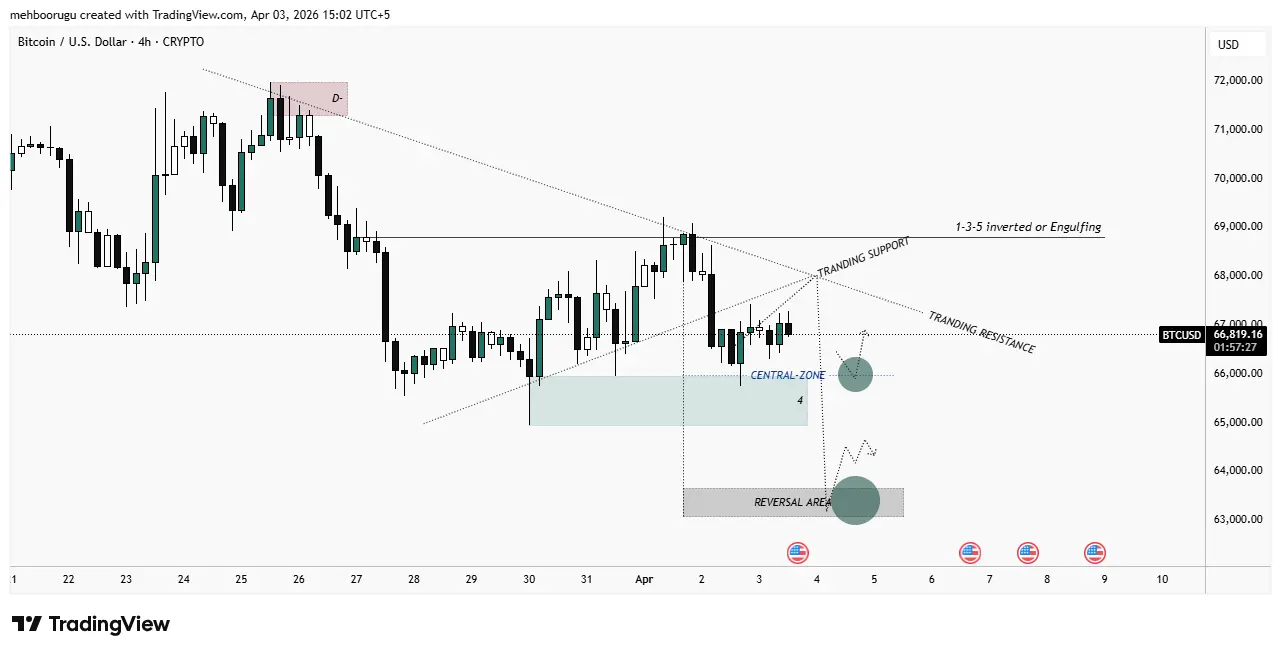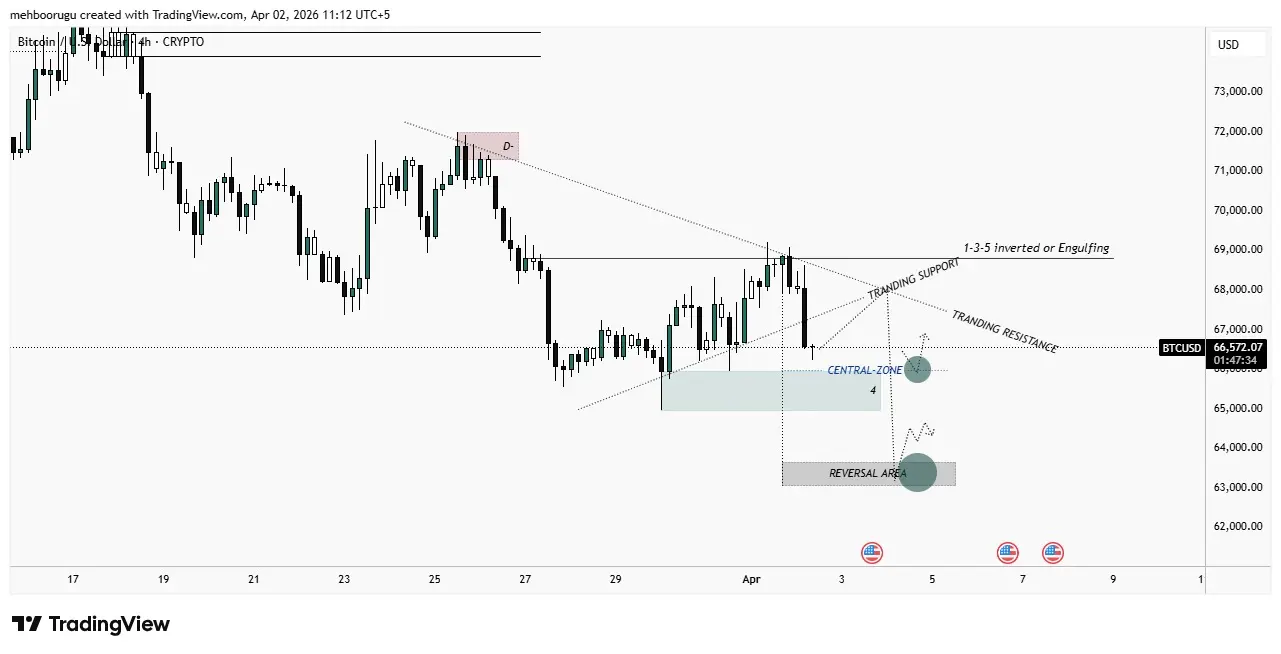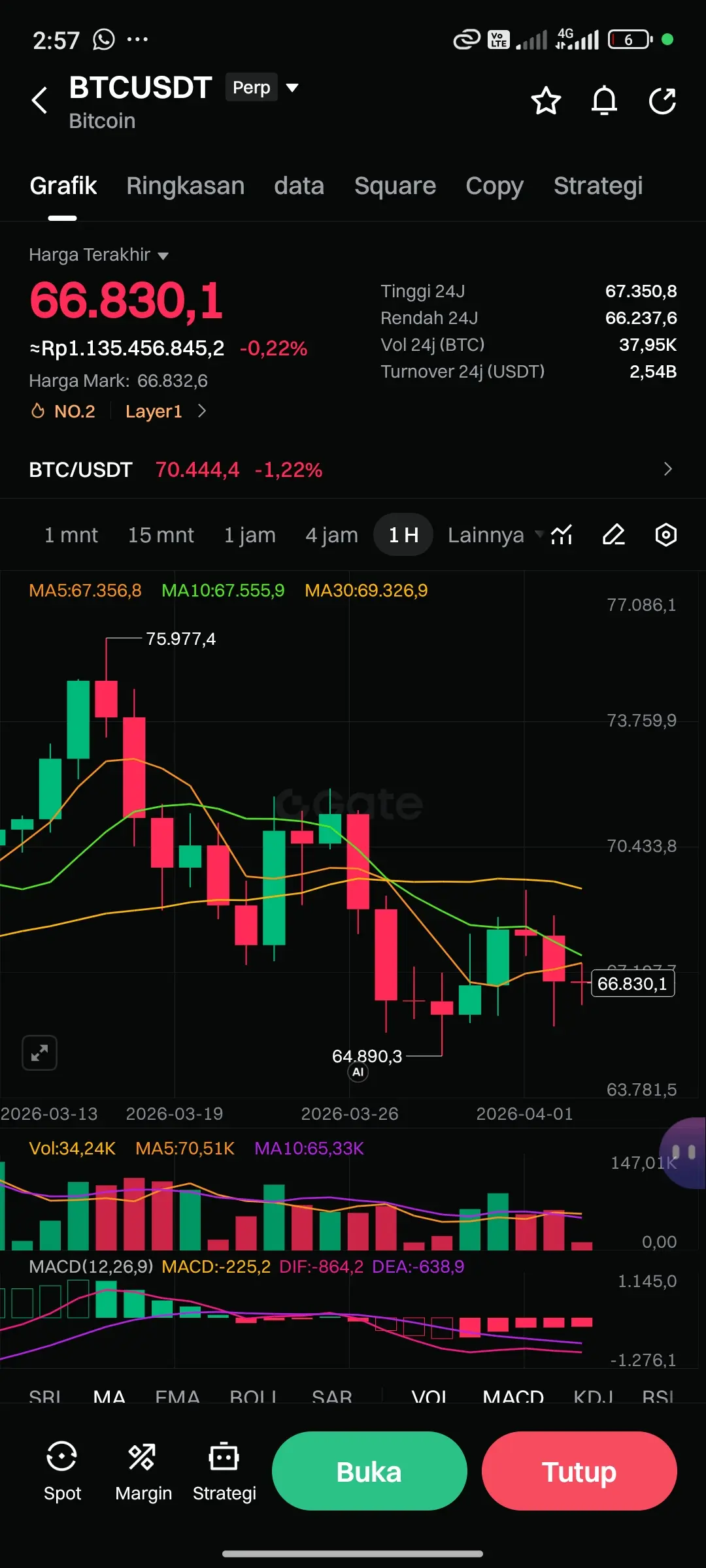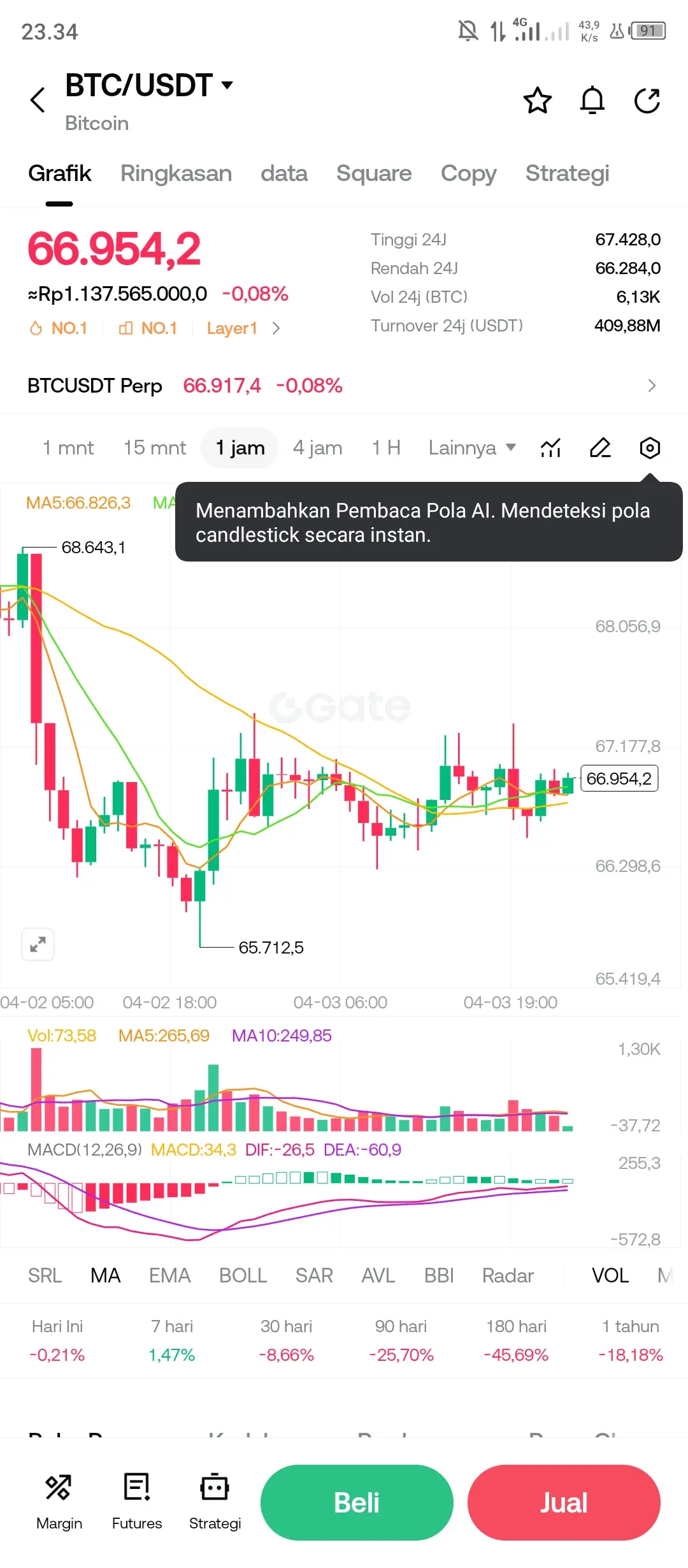

The structure of long-term BTC holdings is seeing its largest divergence in 10 years: the share of exchange “whales” exceeds 60%. In the first quarter of 2026, the Bitcoin market appears outwardly calm—price continues to stay below 70,000 dollars, and the Fear and Greed Index has been in the “extreme fear” zone for an extended period. However, the data beneath the surface point to profound structural changes. According to an SEC disclosure, Strategy (, formerly MicroStrategy ), increased its holdings by more than 88,000 BTC in the first quarter, and its total portfolio already stands at about 762,000 coins; the average acquisition price is approximately 75,696 dollars. At the same time, the “whale” coefficient on exchanges rose to above 60%, setting a decade-high, while retail investor participation fell to the lowest level over the same period.
On-chain data provide a clearer picture. The share of short-term holders—especially the group with a holding period of one week to one month—has fallen to 3.98%. Looking back at previous cycles, when this metric dropped below 4%, the market was typically near the bottom or directly in the bottom zone. Long-term holders control a larger portion of the supply, intraday trading is declining, and speculative demand is weakening—suggesting the market is shifting from high-frequency “trading games” to structural accumulation.
The essence of this divergence is a systematic transfer of биткоин liquidity from retail to institutions. биткоин does not disappear—it undergoes a structural change of ownership: the rise in the exchange “whale” ratio indicates that the original large crypto holders are selling; at the same time, publicly traded companies led by Strategy increased their net position by approximately 62,000 BTC during the same period. While individual investors are exiting the asset, institutions continue to buy at a steady pace—the ownership structure of биткоин is being rewritten.
On-chain data provide a clearer picture. The share of short-term holders—especially the group with a holding period of one week to one month—has fallen to 3.98%. Looking back at previous cycles, when this metric dropped below 4%, the market was typically near the bottom or directly in the bottom zone. Long-term holders control a larger portion of the supply, intraday trading is declining, and speculative demand is weakening—suggesting the market is shifting from high-frequency “trading games” to structural accumulation.
The essence of this divergence is a systematic transfer of биткоин liquidity from retail to institutions. биткоин does not disappear—it undergoes a structural change of ownership: the rise in the exchange “whale” ratio indicates that the original large crypto holders are selling; at the same time, publicly traded companies led by Strategy increased their net position by approximately 62,000 BTC during the same period. While individual investors are exiting the asset, institutions continue to buy at a steady pace—the ownership structure of биткоин is being rewritten.