
Futures
Access hundreds of perpetual contracts
TradFi
Gold
One platform for global traditional assets
Options
Hot
Trade European-style vanilla options
Unified Account
Maximize your capital efficiency
Demo Trading
Introduction to Futures Trading
Learn the basics of futures trading
Futures Events
Join events to earn rewards
Demo Trading
Use virtual funds to practice risk-free trading
Launch
CandyDrop
Collect candies to earn airdrops
Launchpool
Quick staking, earn potential new tokens
HODLer Airdrop
Hold GT and get massive airdrops for free
Launchpad
Be early to the next big token project
Alpha Points
Trade on-chain assets and earn airdrops
Futures Points
Earn futures points and claim airdrop rewards


More


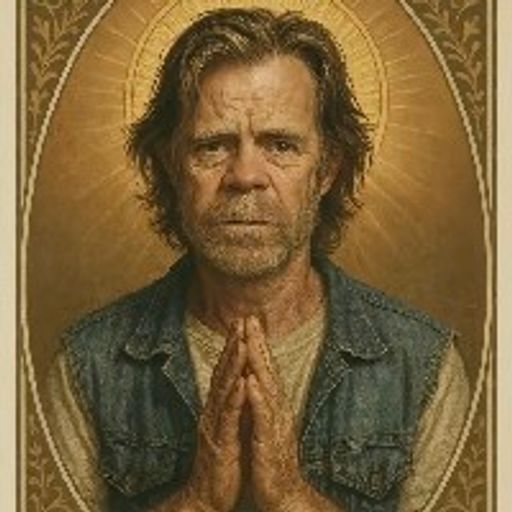


The world's kindness toward an individual is often not based on morality or fairness, but depends on the different types of "capital" they possess. Those who are truly favored in the long term can generally be divided into five categories: The first are those with structural capital—they occupy key positions or important networks, where their location alone can bring resources and opportunities; The second are those with innate talent capital—when a person has irreplaceable abilities, society tends to be more tolerant because the system relies on their value; The third are those with charm capital—external appearance and personal attractiveness can translate into real advantages at certain stages, but this type of capital often has a clear time limit; The fourth are those who bear risk capital—they take on high risks and responsibilities for society or organizations, and thus gain respect and compensation, which is essentially a risk-reward exchange mechanism; The fifth are those who provide emotional value—they gain status by making others feel comfortable, understood, or supported, which has gradually become a scarce resource in modern society.
In contrast, most ordinary people do not possess these obvious advantages and can only maintain their position through continuous effort and output. A person's life is essentially a process of choosing and accumulating among different types of capital: relying on relationships, developing skills; managing external appearances or strengthening internal qualities; pursuing being needed or accepting a simple, stable life. Recognizing these structural realities and still choosing to live earnestly is itself a clear-minded and resilient attitude.