


Futures
Access hundreds of perpetual contracts
TradFi
Gold
One platform for global traditional assets
Options
Hot
Trade European-style vanilla options
Unified Account
Maximize your capital efficiency
Demo Trading
Introduction to Futures Trading
Learn the basics of futures trading
Futures Events
Join events to earn rewards
Demo Trading
Use virtual funds to practice risk-free trading
Launch
CandyDrop
Collect candies to earn airdrops
Launchpool
Quick staking, earn potential new tokens
HODLer Airdrop
Hold GT and get massive airdrops for free
Launchpad
Be early to the next big token project
Alpha Points
Trade on-chain assets and earn airdrops
Futures Points
Earn futures points and claim airdrop rewards


More



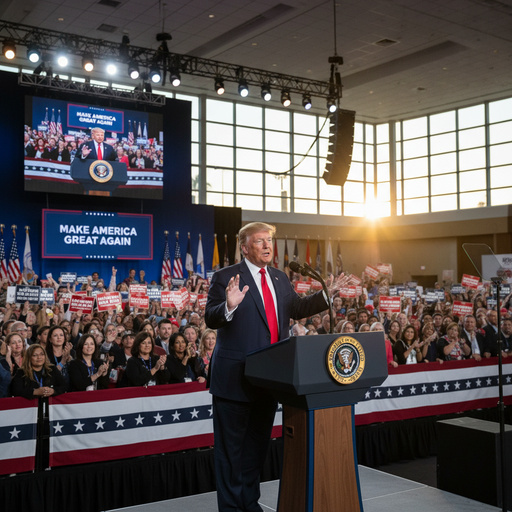


#UKToSuspendCryptoPoliticalDonations
The United Kingdom is drawing a clear boundary between digital finance and political influence. Under the leadership of Keir Starmer, the government has moved to temporarily suspend cryptocurrency donations to political parties—signaling that when it comes to elections, innovation must yield to accountability.
At the surface, this is a policy adjustment. At its core, it’s a recalibration of trust.
Cryptocurrencies like Bitcoin and Ethereum thrive on decentralization, but political systems rely on traceability. That mismatch is now under scrutiny. While blockchain ledgers are transparent, wallet ownership remains opaque—creating a blind spot regulators are no longer willing to tolerate.
This isn’t a rejection of crypto. It’s a containment strategy.
The proposed reforms under the upcoming Representation of the People Bill aim to close gaps where foreign capital, anonymous donors, or unverified entities could influence domestic politics. The recommendation, reinforced by an independent review led by Sir Philip Rycroft, frames the suspension not as permanent resistance—but as a pause to build infrastructure for safer integration.
For political parties, especially emerging ones like Reform UK, the impact is immediate. Crypto had opened a new frontier for fundraising—borderless, fast, and frictionless. Now, that channel is effectively frozen, forcing a return to traditional financial rails.
Markets, however, interpret policy faster than politics.
Short-term sentiment around Bitcoin and Ethereum may soften, not because of direct financial impact, but due to signaling. Regulatory intervention—even in niche sectors—reshapes expectations. Traders price in uncertainty before fundamentals even shift.
Expect mild volatility. Not structural damage.
Stablecoins such as USDT and USDC may see negligible impact in liquidity, but large transaction flows tied to political funding could temporarily decline. The broader ecosystem remains intact, yet slightly more cautious.
What matters more is the precedent.
The UK is effectively testing a model: restrict first, regulate later. If successful, similar frameworks could emerge across other major economies—especially where election integrity is a priority.
The bigger picture is clear: crypto is no longer operating at the edges of the system. It’s close enough to power that governments are stepping in.
Not to stop it—but to shape how far it can go.
#UKToSuspendCryptoPoliticalDonations