

#GlobalStocksBroadlyDecline
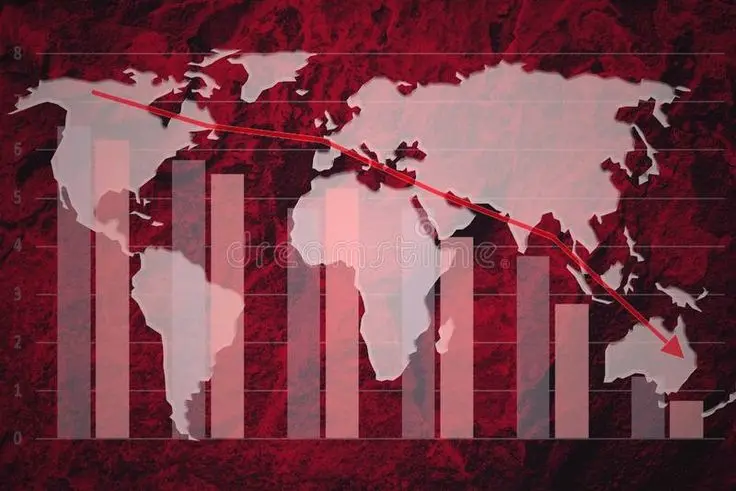
As global markets are shaken by geopolitical tensions and economic uncertainty, recent developments, grouped under the hashtag "GlobalStocksBroadlyDecline," are deepening investor anxiety. Successive declines once again highlight the delicate balance of the world economy.
Here's the story behind this downward trend in global markets:
Rising Tension Clouds from the Middle East: The recent escalation of tensions in the Middle East, particularly concerns about a potential conflict between the US and Iran, has created a veritable tsunami effect on the markets. Oil prices rising above $100 per barrel, increasing energy costs, and rising inflationary pressures have led to sharp declines in global stock markets. This has negatively impacted many sectors, including the luxury industry.
Blood Loss in Asian Markets: One of the fastest and harshest impacts of developments in the Middle East has been seen in Asian markets. South Korea's KOSPI index experienced one of its worst days of the year, falling by as much as 8%, while Japan's Nikkei 225 index also dropped by 7.6%, reaching its lowest levels in two months. Other Asian stock markets, such as Hong Kong and Shanghai, showed similar declines.
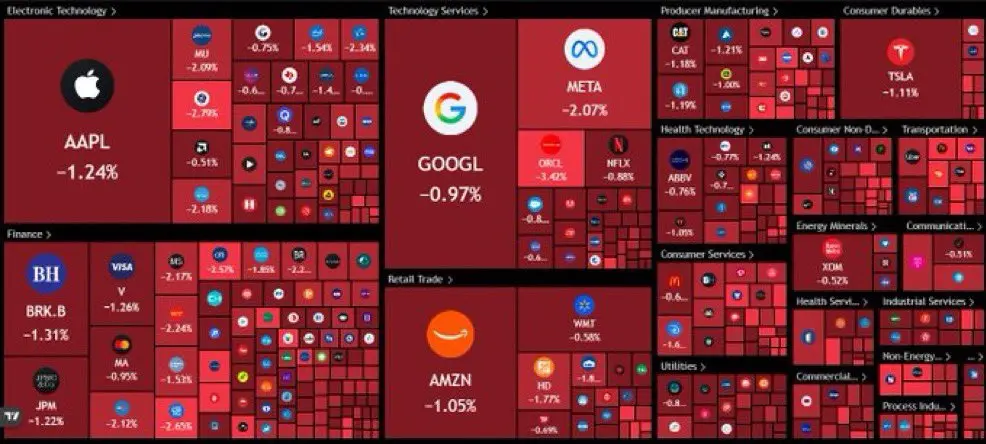
Anxious Waiting in the US and Europe: A similar picture prevails on Wall Street. The Dow Jones Industrial Average experienced declines of up to 1200 points in a short period, wiping out all its gains for 2026 and falling below the 50,000-point threshold. European stock markets also felt the effects of this sell-off, starting the week with declines. Weak labor market data and rising oil prices are increasing pressure on the US economy, fueling inflation and recession fears.
The Turkish economy is not immune to these global fluctuations. It is stated that inflation expectations have been disrupted, economic confidence has decreased despite increased credit volumes, and the manufacturing sector is experiencing one of the worst crises in its history. The government's announcement of a package of austerity and economic measures is seen as a precaution against the potential effects of a global war.
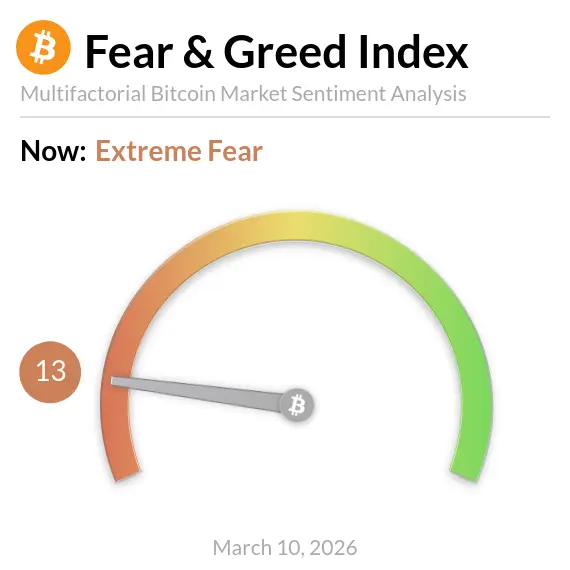
Investor Psychology and Opportunities: Markets are driven not only by numbers but also by investor psychology. While panic selling and uncertainty accelerate declines, some analysts view these periods as "buying opportunities" for long-term investors.
In light of these developments, the complex fabric of global markets presents a story where geopolitical risks, economic data, and investor behavior are intertwined. Whether tensions will ease in the coming period, the actions of central banks, and the trajectory of economic indicators will continue to be the main factors determining the direction of the markets. Whether a financial crisis is on the horizon, or whether these declines are a sharp correction, will become clearer over time.
As global markets are shaken by geopolitical tensions and economic uncertainty, recent developments, grouped under the hashtag "GlobalStocksBroadlyDecline," are deepening investor anxiety. Successive declines once again highlight the delicate balance of the world economy.
Here's the story behind this downward trend in global markets:
Rising Tension Clouds from the Middle East: The recent escalation of tensions in the Middle East, particularly concerns about a potential conflict between the US and Iran, has created a veritable tsunami effect on the markets. Oil prices rising above $100 per barrel, increasing energy costs, and rising inflationary pressures have led to sharp declines in global stock markets. This has negatively impacted many sectors, including the luxury industry.
Blood Loss in Asian Markets: One of the fastest and harshest impacts of developments in the Middle East has been seen in Asian markets. South Korea's KOSPI index experienced one of its worst days of the year, falling by as much as 8%, while Japan's Nikkei 225 index also dropped by 7.6%, reaching its lowest levels in two months. Other Asian stock markets, such as Hong Kong and Shanghai, showed similar declines.
Anxious Waiting in the US and Europe: A similar picture prevails on Wall Street. The Dow Jones Industrial Average experienced declines of up to 1200 points in a short period, wiping out all its gains for 2026 and falling below the 50,000-point threshold. European stock markets also felt the effects of this sell-off, starting the week with declines. Weak labor market data and rising oil prices are increasing pressure on the US economy, fueling inflation and recession fears.
The Turkish economy is not immune to these global fluctuations. It is stated that inflation expectations have been disrupted, economic confidence has decreased despite increased credit volumes, and the manufacturing sector is experiencing one of the worst crises in its history. The government's announcement of a package of austerity and economic measures is seen as a precaution against the potential effects of a global war.
Investor Psychology and Opportunities: Markets are driven not only by numbers but also by investor psychology. While panic selling and uncertainty accelerate declines, some analysts view these periods as "buying opportunities" for long-term investors.
In light of these developments, the complex fabric of global markets presents a story where geopolitical risks, economic data, and investor behavior are intertwined. Whether tensions will ease in the coming period, the actions of central banks, and the trajectory of economic indicators will continue to be the main factors determining the direction of the markets. Whether a financial crisis is on the horizon, or whether these declines are a sharp correction, will become clearer over time.