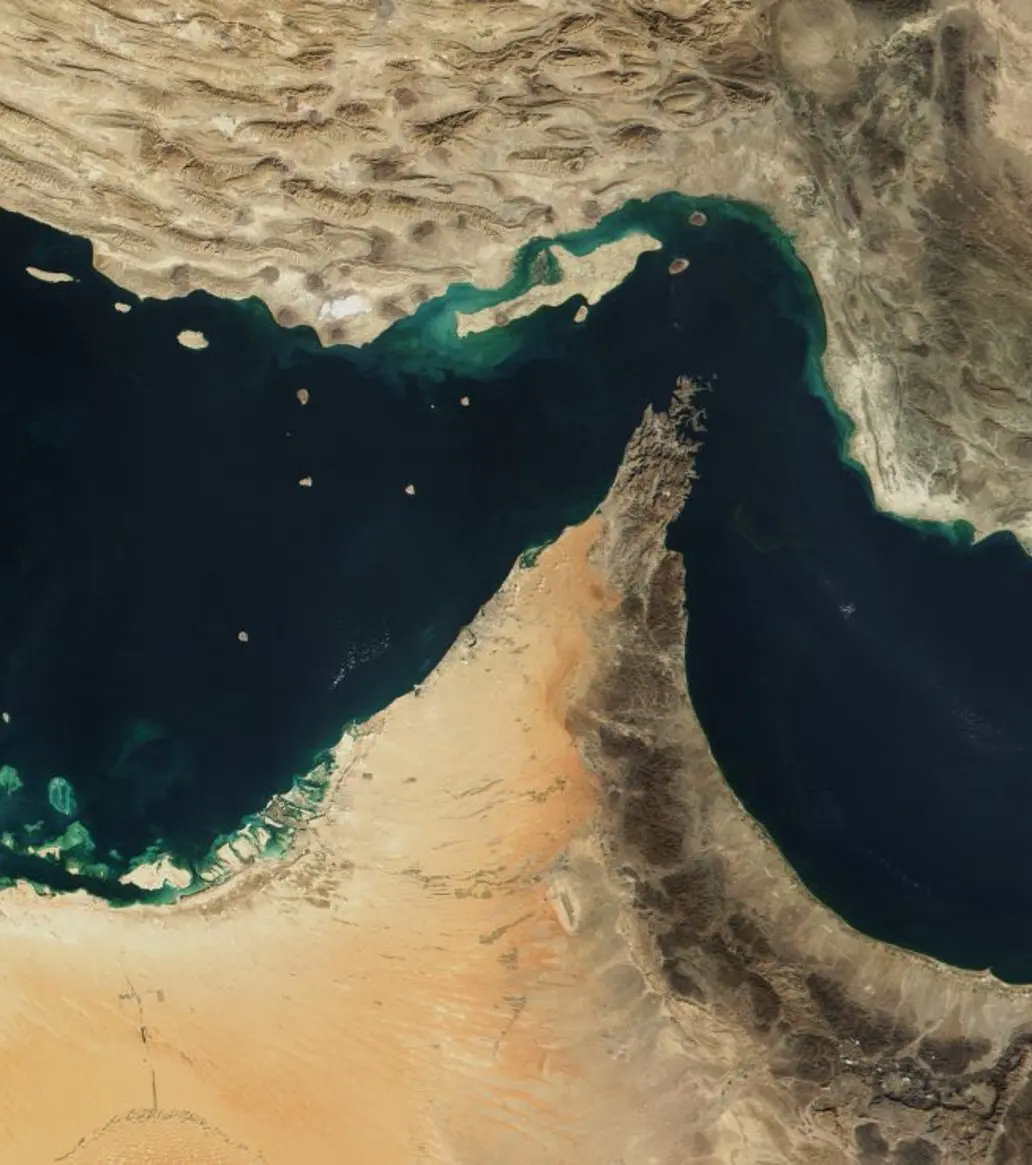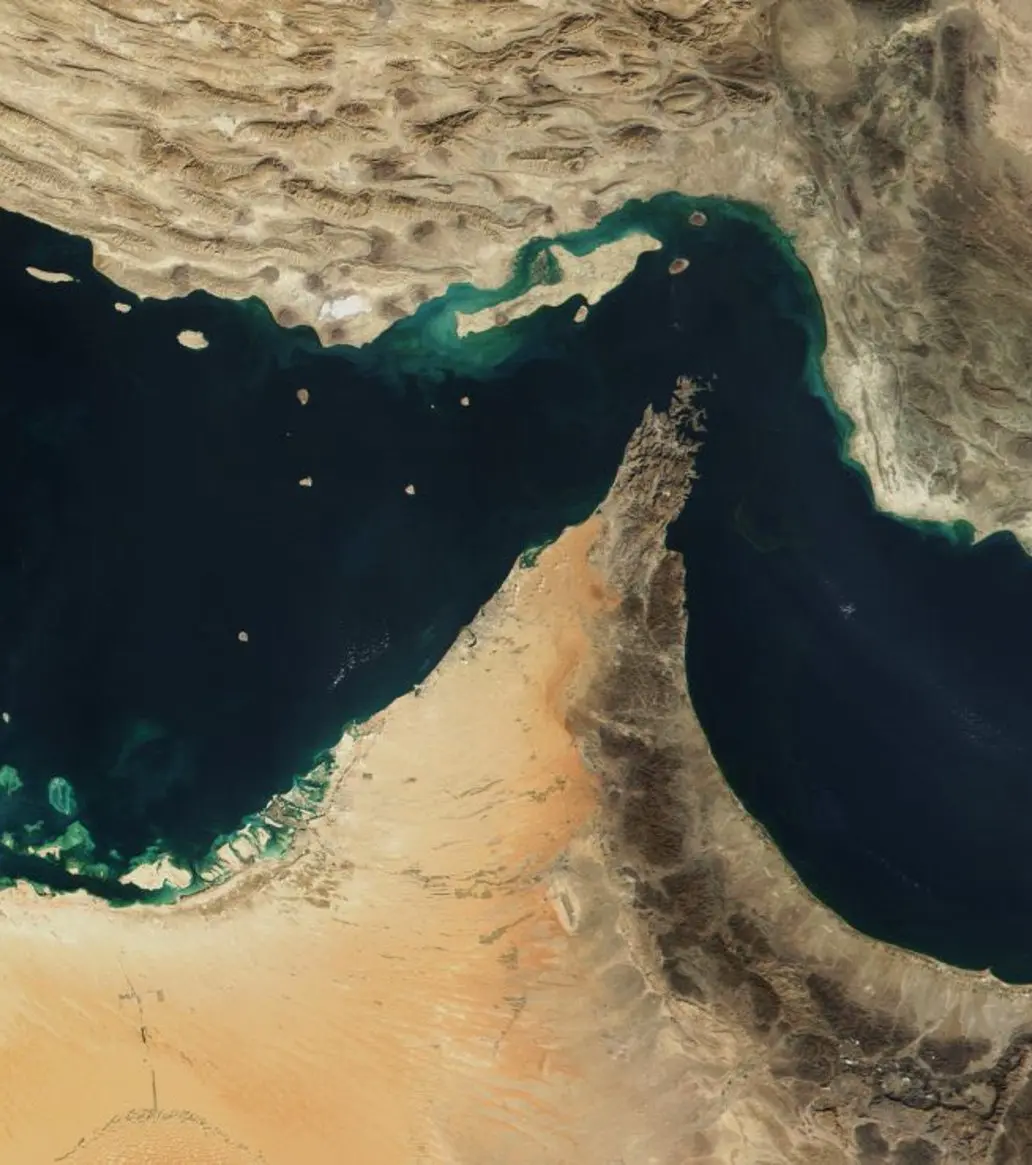
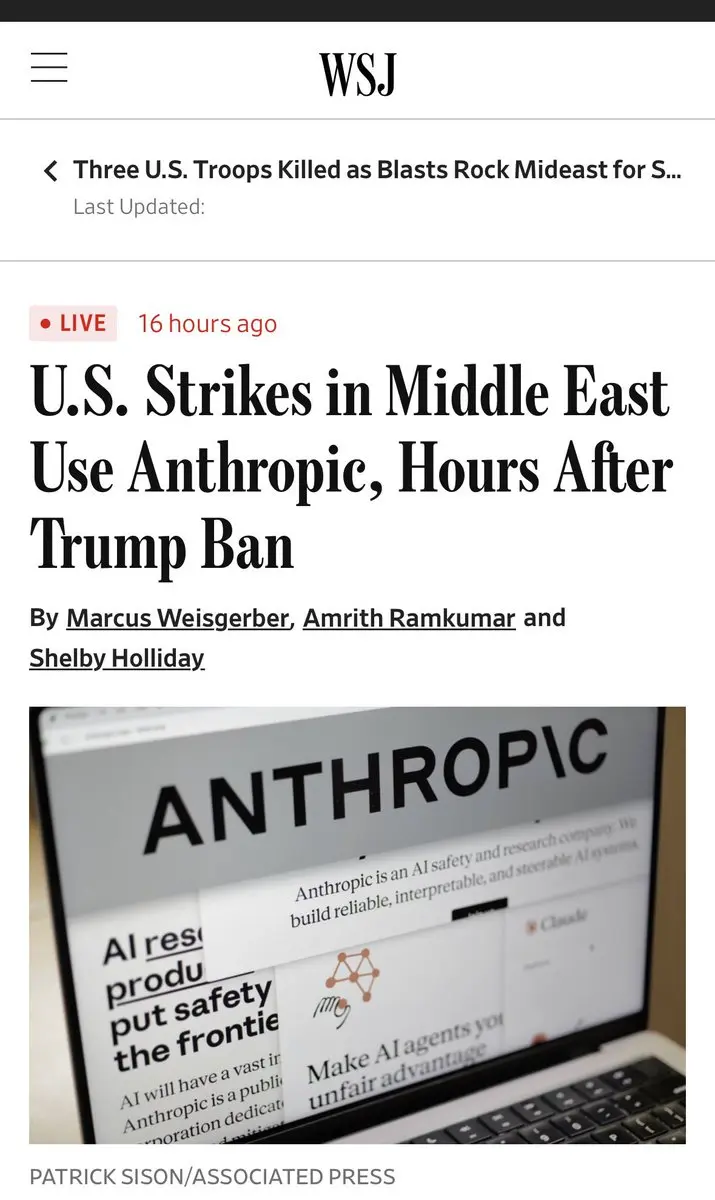





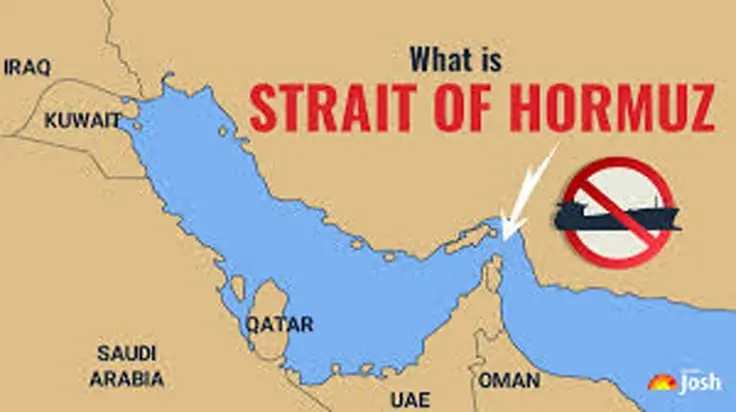
The strategic importance of the Strait of Hormuz stems from its status as one of the world's most critical sea passages for global energy security. Located north of Iran and south of Oman and the United Arab Emirates, this narrow waterway (approximately 33-40 km at its narrowest point) connects the Persian Gulf to the Arabian Sea and the Indian Ocean, carrying almost all of the oil and liquefied natural gas (LNG) exports of countries such as Saudi Arabia, Iraq, Kuwait, the UAE, Qatar, and Iran. According to data from the US Energy Information Administration (EIA), an average of 20 million barrels of crude oil and petroleum products (approximately 20% of global oil consumption and 25-33% of seaborne crude oil) will pass through this strait daily between 2024-2025; furthermore, approximately 20% of global LNG trade (particularly from Qatar) flows through it. The vast majority of this volume (80%+) goes to Asian markets (China, India, Japan, South Korea), so any disruption to the strait directly impacts the global energy supply. Alternative routes (such as Saudi Arabia's East-West pipeline and the UAE's Fujairah terminal) operate at limited capacity (total reserve ~2-7 million barrels/day) and at full capacity, so a complete shutdown would not quickly compensate for any supply shortfall. During Iran's recent retaliations (following the US-Israeli attacks), tanker traffic dropped by 40-75% due to the IRGC's "no ships allowed" warnings, VHF broadcasts, and actual threats; many ships made U-turns, went on hold, or changed course to the Cape of Good Hope (companies like Maersk abandoned Hormuz). This caused insurance premiums to skyrocket, tanker owners to suspend shipments, and oil prices to rapidly rise (Brent OTC jumped to $80+). A prolonged de facto shutdown (or even partial harassment, mining, or drone strikes) could trigger global inflation, increase the risk of stagflation, and leave energy-importing countries (including Turkey) facing a currency crisis – a "global energy crisis" scenario seems realistic given the inadequacy of alternative routes.
#BuyTheDipOrWaitNow?
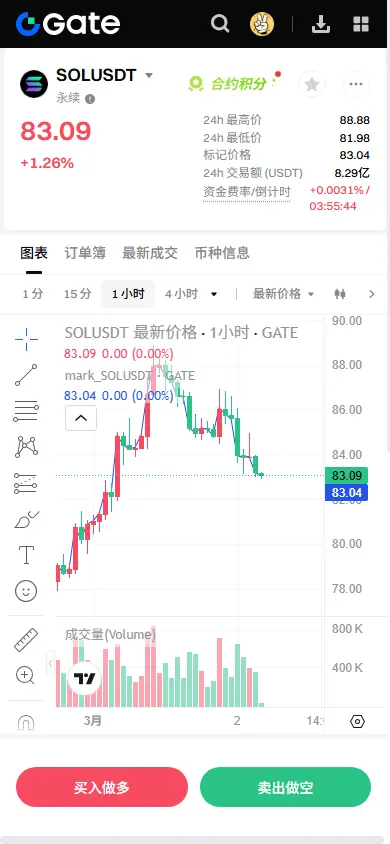
#USIsraelStrikesIranBTCPlunges
#BuyTheDipOrWaitNow?
#USIsraelStrikesIranBTCPlunges