

Trade
Basic
Futures
Futures
Hundreds of contracts settled in USDT or BTC
TradFi
Gold
Trade global traditional assets with USDT in one place
Options
Hot
Trade European-style vanilla options
Unified Account
Maximize your capital efficiency
Demo Trading
Futures Kickoff
Get prepared for your futures trading
Futures Events
Participate in events to win generous rewards
Demo Trading
Use virtual funds to experience risk-free trading
Earn
Launch
CandyDrop
Collect candies to earn airdrops
Launchpool
Quick staking, earn potential new tokens
HODLer Airdrop
Hold GT and get massive airdrops for free
Launchpad
Be early to the next big token project
Alpha Points
Trade on-chain assets and enjoy airdrop rewards!
Futures Points
Earn futures points and claim airdrop rewards
Investment
Simple Earn
Earn interests with idle tokens
Auto-Invest
Auto-invest on a regular basis
Dual Investment
Buy low and sell high to take profits from price fluctuations
Soft Staking
Earn rewards with flexible staking
Crypto Loan
0 Fees
Pledge one crypto to borrow another
Lending Center
One-stop lending hub
VIP Wealth Hub
Customized wealth management empowers your assets growth
Private Wealth Management
Customized asset management to grow your digital assets
Quant Fund
Top asset management team helps you profit without hassle
Staking
Stake cryptos to earn in PoS products
Smart Leverage
New
No forced liquidation before maturity, worry-free leveraged gains
GUSD Minting
Use USDT/USDC to mint GUSD for treasury-level yields

More





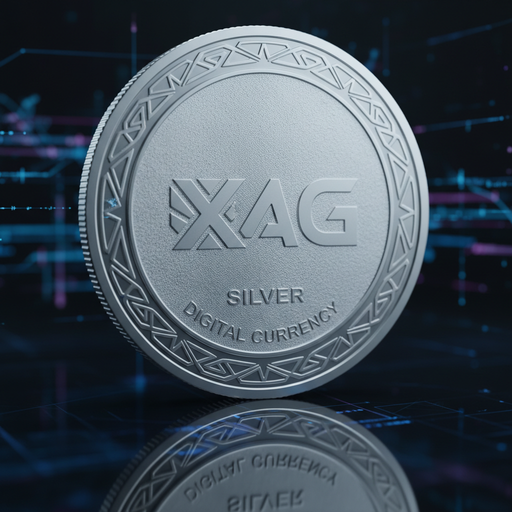

#GateSquare$50KRedPacketGiveaway 🇷🇺 Russia's 2026 Digital Pivot: Key Takeaways
The transition from viewing stablecoins as a "risk" to a "strategic tool" marks a significant evolution in Moscow's economic defense strategy.
Legal Legitimacy: By July 1, 2026, the classification of stablecoins as "monetary assets" provides the necessary legal teeth for corporations to use them in international trade without fear of domestic regulatory blowback.
The BRICS Bridge: This is the real game-changer. Using stablecoins as the plumbing for the BRICS Bridge isn't just about efficiency; it’s an attempt to build a "shadow" financial system that operates entirely outside the reach of Western sanctions.
The Digital Ruble’s Role: Unlike a stablecoin (which might be pegged to gold or a basket of goods), the digital ruble is a direct claim on the central bank. Integrating this into budget payments by Jan 1, 2026, shows a push for total transparency and control over domestic liquidity.💡 A Touch of Perspective
While the technology is sound, the real challenge for Russia in 2026 will be trust and liquidity. A stablecoin is only as "stable" as the consensus of the parties using it. For the BRICS Bridge to succeed, partners like India and China will need to be fully aligned on the underlying collateral and exchange mechanisms.