
Futures
Access hundreds of perpetual contracts
TradFi
Gold
One platform for global traditional assets
Options
Hot
Trade European-style vanilla options
Unified Account
Maximize your capital efficiency
Demo Trading
Introduction to Futures Trading
Learn the basics of futures trading
Futures Events
Join events to earn rewards
Demo Trading
Use virtual funds to practice risk-free trading
Launch
CandyDrop
Collect candies to earn airdrops
Launchpool
Quick staking, earn potential new tokens
HODLer Airdrop
Hold GT and get massive airdrops for free
Launchpad
Be early to the next big token project
Alpha Points
Trade on-chain assets and earn airdrops
Futures Points
Earn futures points and claim airdrop rewards


More





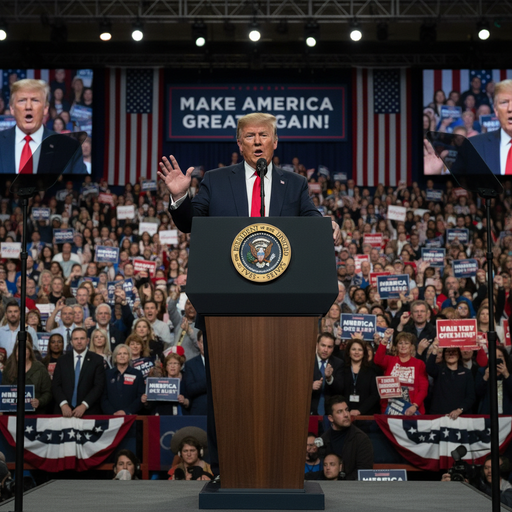
#TrumpWithdrawsEUTariffThreats 1. Background of the Tariff Threats
During Donald Trump’s presidency, the United States and the European Union (EU) were involved in several trade disputes. Trump often threatened to impose high tariffs on European goods—such as automobiles, steel, wine, cheese, and aircraft-related products. These threats were mainly aimed at reducing the U.S. trade deficit with the EU and pressuring Europe to change what the U.S. considered unfair trade practices.
2. Reasons Behind the Withdrawal
Trump decided to withdraw or suspend the tariff threats after progress in negotiations with the EU. The move was influenced by:
Diplomatic talks between U.S. and EU trade officials
Temporary agreements on subsidies (especially related to aircraft disputes like Boeing–Airbus)
Pressure from U.S. businesses and farmers who feared higher costs and retaliation
This withdrawal signaled a willingness to cool down trade tensions.
3. Impact on US–EU Relations
With the tariff threats withdrawn, relations between the United States and the EU improved significantly. Both sides showed more cooperation and trust, moving away from aggressive trade policies. It helped reopen dialogue on broader issues such as:
Global trade rules
Industrial subsidies
Coordinated economic strategies
This step reduced the risk of a full-scale trade war.
4. Economic Effects on Markets and Businesses
The decision brought relief to global markets. European exporters avoided potential losses, while American importers and consumers were spared higher prices. Key benefits included:
Stability in transatlantic trade
Lower uncertainty for manufacturers and exporters
Positive reactions from stock markets
Overall, the move supported economic stability on both sides.
5. Political and Strategic Significance
Politically, the withdrawal showed a more pragmatic and flexible approach by the Trump administration. It demonstrated that tariff threats were often used as a negotiation tool rather than a permanent policy. Strategically, it allowed the U.S. and EU to focus on shared challenges like competition from other global economies and strengthening alliances.