TROVE has been a classic scam case meticulously planned since last year.
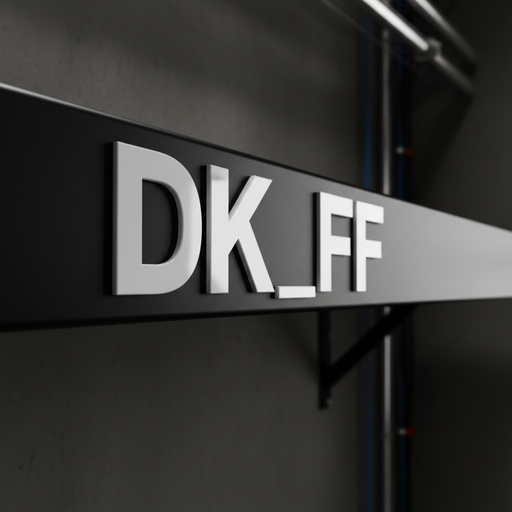
I started exposing the true nature of this project early on. The scammer team's tactics are very basic—beginning with copying the logo, which is a standard move for knockoff projects. The underlying strategy is very clear: attract funds under the guise of the NFT market, but have no real intention of delivering any actual assets or functionalities.
Last year, I directly contacted the project team to question them, and their response was evasive. Those screenshots clearly document the entire process—from initial suspicion to finally confirming that this was a carefully disguised Ponzi scheme.
This case is very typical: logo theft → false promises → no actual delivery. Web3 newcomers should stay vigilant; such projects have deep routines but obvious flaws. Stay alert and don't let the scam teams' lies succeed.
View Original
This page may contain third-party content, which is provided for information purposes only (not representations/warranties) and should not be considered as an endorsement of its views by Gate, nor as financial or professional advice. See Disclaimer for details.
13 Likes
Reward
13
4
Repost
Share
Comment
0/400
MysteryBoxAddict
· 19h ago
I’ve known for a long time that this thing is a scam; copying logos is really a hack that's everywhere.
---
The screenshots are all here, and people are still entering the market. I really can’t believe it.
---
Comparing logos directly exposes the flaws; this team never intended to be serious.
---
NFT skin套资金盘, this was supposed to be exposed last year.
---
I’ve seen all those vague and evasive responses; they’re obviously fake.
---
A must-read case for Web3 beginners to avoid getting caught in a rug pull.
---
Careful disguise? No matter how you fake it, you can’t hide the copied logo.
---
There are dozens of these schemes every year; how can people still believe them?
---
When you directly ask them questions, they go silent. That’s the best proof.
View OriginalReply0
BearMarketLightning
· 19h ago
I've known for a long time that this thing is not right
------
TROVE has been awkward from the very beginning, copying the logo was truly brilliant
------
Same old tricks, I haven't seen any new tricks in Web3 in the past two years
------
It should have been shouted out across the entire network last year, are people still throwing money into it now
------
A typical Ponzi scheme performance, next time just change the shell and continue to cut
------
This kind of project is really obviously fake, I just can't understand why people still get scammed
------
Flashing words are the biggest red flag, learned that lesson
------
Under the NFT skin, it's still the same old tricks, no change in substance
------
The screenshot proves that I really respect this operation, better than those empty talk
------
A must-see negative example for beginners, just do the opposite of what they do
View OriginalReply0
UncommonNPC
· 19h ago
Haha, I saw it coming a long time ago, it’s still the same old trick.
These kinds of schemes are really too common; copying a logo should be a warning bell.
How did people still rush in last year? I just don’t get it.
Most of the ones who got scammed probably didn’t do their homework.
Copying a logo and other such low-level tricks can still get through? You really need to be more cautious.
This is the Achilles' heel of Ponzi schemes: everything is fake, but the money is real.
It’s always the same routine; when will they come up with some new tricks?
Are there still people holding coins? That’s hilarious, they probably already ran away.
There are so many pitfalls in the NFT space; this case needs to be known by more people.
The moment words start to flicker, you should understand what’s really going on.
View OriginalReply0
CryptoGoldmine
· 19h ago
Just by looking at the logo, you can identify scams. The ROI curve of such projects is destined to plummet.
---
TROVE should have seen through that early. Copying a logo is the most basic way to tell everyone you're a scammer.
---
This was pointed out last year. Those still paying tuition now should reflect on their due diligence process.
---
False promises without actual delivery, and the computing power returns are obvious—basically zero.
---
The flaw in these fund schemes is really just two words: rush for money. Just look at their white paper iteration speed.
---
A typical case. I recommend beginners to look at this negative example to avoid falling into the same trap.
---
Logo theft is just the beginning; it gets no better after that. Fund schemes under the guise of NFTs have been played out for years.
---
Directly contacting and questioning, then responding with evasiveness—this signal is as strong as it gets.
---
I'm actually more concerned about how many people got cut in this wave. Has the data come out?
---
Careful planning ≈ carefully cutting leeks. Sounds like a nice operation, but ultimately it's still an operation.
TROVE has been a classic scam case meticulously planned since last year.
I started exposing the true nature of this project early on. The scammer team's tactics are very basic—beginning with copying the logo, which is a standard move for knockoff projects. The underlying strategy is very clear: attract funds under the guise of the NFT market, but have no real intention of delivering any actual assets or functionalities.
Last year, I directly contacted the project team to question them, and their response was evasive. Those screenshots clearly document the entire process—from initial suspicion to finally confirming that this was a carefully disguised Ponzi scheme.
This case is very typical: logo theft → false promises → no actual delivery. Web3 newcomers should stay vigilant; such projects have deep routines but obvious flaws. Stay alert and don't let the scam teams' lies succeed.