

Trade
Basic
Futures
Futures
Hundreds of contracts settled in USDT or BTC
Options
HOT
Trade European-style vanilla options
Unified Account
Maximize your capital efficiency
Demo Trading
Futures Kickoff
Get prepared for your futures trading
Futures Events
Participate in events to win generous rewards
Demo Trading
Use virtual funds to experience risk-free trading
Earn
Launch
CandyDrop
Collect candies to earn airdrops
Launchpool
Quick staking, earn potential new tokens
HODLer Airdrop
Hold GT and get massive airdrops for free
Launchpad
Be early to the next big token project
Alpha Points
NEW
Trade on-chain assets and enjoy airdrop rewards!
Futures Points
NEW
Earn futures points and claim airdrop rewards
Investment
Simple Earn
Earn interests with idle tokens
Auto-Invest
Auto-invest on a regular basis
Dual Investment
Buy low and sell high to take profits from price fluctuations
Soft Staking
Earn rewards with flexible staking
Crypto Loan
0 Fees
Pledge one crypto to borrow another
Lending Center
One-stop lending hub
VIP Wealth Hub
Customized wealth management empowers your assets growth
Private Wealth Management
Customized asset management to grow your digital assets
Quant Fund
Top asset management team helps you profit without hassle
Staking
Stake cryptos to earn in PoS products
Smart Leverage
NEW
No forced liquidation before maturity, worry-free leveraged gains
GUSD Minting
Use USDT/USDC to mint GUSD for treasury-level yields

More




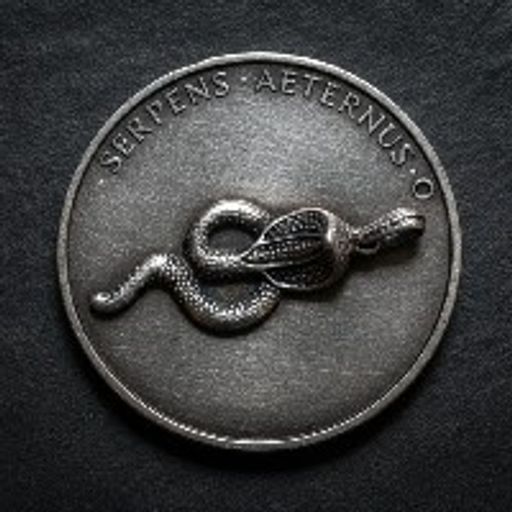

Bitcoin once surged past the $2 trillion market cap mark. History tells us that no financial asset that breaks through $2 trillion has disappeared afterward. Their stories have only one ending—continuous appreciation.
This time, it's Bitcoin's turn. The turning point is clear: after spot ETF approval in the United States, major global asset management firms are entering the market one after another. Institutional endorsement has changed the game.
Deeper changes are happening at the national level. Countries like the United States, Bhutan, and El Salvador have included Bitcoin in their strategic reserves. This is not speculation; it is a national asset allocation decision. Tonga and the Central African Republic have gone even further—directly adopting Bitcoin as legal tender.
When the status of fiat currency is no longer a fantasy, and sovereign wealth funds begin to allocate, Bitcoin's identity has completely changed. From an asset to a reserve to a fiat currency, this evolutionary process itself is the best proof.