

Trade
Basic
Futures
Futures
Hundreds of contracts settled in USDT or BTC
Options
HOT
Trade European-style vanilla options
Unified Account
Maximize your capital efficiency
Demo Trading
Futures Kickoff
Get prepared for your futures trading
Futures Events
Participate in events to win generous rewards
Demo Trading
Use virtual funds to experience risk-free trading
Earn
Launch
CandyDrop
Collect candies to earn airdrops
Launchpool
Quick staking, earn potential new tokens
HODLer Airdrop
Hold GT and get massive airdrops for free
Launchpad
Be early to the next big token project
Alpha Points
NEW
Trade on-chain assets and enjoy airdrop rewards!
Futures Points
NEW
Earn futures points and claim airdrop rewards
Investment
Simple Earn
Earn interests with idle tokens
Auto-Invest
Auto-invest on a regular basis
Dual Investment
Buy low and sell high to take profits from price fluctuations
Soft Staking
Earn rewards with flexible staking
Crypto Loan
0 Fees
Pledge one crypto to borrow another
Lending Center
One-stop lending hub
VIP Wealth Hub
Customized wealth management empowers your assets growth
Private Wealth Management
Customized asset management to grow your digital assets
Quant Fund
Top asset management team helps you profit without hassle
Staking
Stake cryptos to earn in PoS products
Smart Leverage
NEW
No forced liquidation before maturity, worry-free leveraged gains
GUSD Minting
Use USDT/USDC to mint GUSD for treasury-level yields

More
Promotions
Activity Center
Join activities and win big cash prizes and exclusive merch
Referral
20 USDT
Earn 40% commission or up to 500 USDT rewards
Announcements
Announcements of new listings, activities, upgrades, etc
Gate Blog
Crypto industry articles
VIP Services
Huge fee discounts
Proof of Reserves
Gate promises 100% proof of reserves


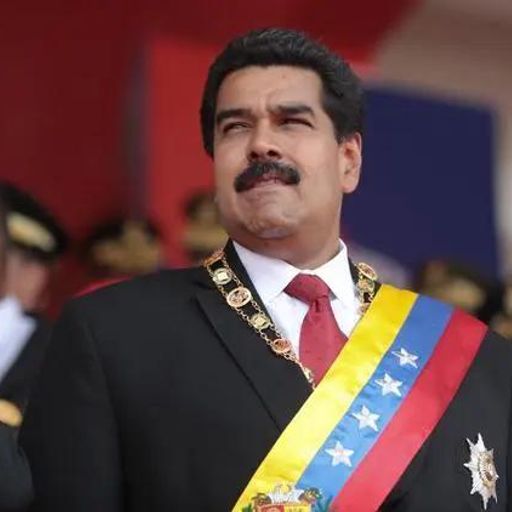


Turkmenistan Takes Major Policy Turn: Cryptocurrency Mining and Trading Now Legal
In a landmark policy shift, Turkmenistan’s President Serdar Berdimuhamedov has issued a legislative decree formally recognizing cryptocurrency mining and trading activities. The move represents a significant evolution in the Central Asian nation’s stance on digital assets, bringing virtual currencies into the country’s civil law structure while establishing a formal regulatory framework.
Under the new framework, the central bank will oversee a licensing regime for cryptocurrency exchanges, creating a supervised ecosystem for digital asset trading. This represents the first time Turkmenistan has formally integrated virtual assets into its legal system, signaling a willingness to engage with the broader crypto economy.
However, important limitations accompany this regulatory opening. Despite legalizing mining and trading, Turkmenistan explicitly restricts the use of cryptocurrencies as payment methods, legal tender, or securities. This distinction suggests the government views crypto primarily as an economic activity and investment vehicle rather than as an alternative monetary system.
The policy development gains context when considering Turkmenistan’s economic structure. As a nation whose prosperity heavily depends on natural gas exports, this pivot toward recognizing crypto mining and trading could diversify economic opportunities and attract blockchain-related investment. The move also reflects broader global trends as nations weigh digital asset regulation.
One caveat remains: Turkmenistan maintains strict oversight of internet infrastructure and digital communications. This centralized control could shape how the crypto ecosystem develops within its borders, potentially limiting the borderless nature that typically characterizes cryptocurrency networks.
For the global crypto community, Turkmenistan’s decision underscores how emerging markets are gradually integrating digital assets into formal legal frameworks—even as they maintain protective barriers around their digital infrastructure.