
Futures
Access hundreds of perpetual contracts
TradFi
Gold
One platform for global traditional assets
Options
Hot
Trade European-style vanilla options
Unified Account
Maximize your capital efficiency
Demo Trading
Introduction to Futures Trading
Learn the basics of futures trading
Futures Events
Join events to earn rewards
Demo Trading
Use virtual funds to practice risk-free trading
Launch
CandyDrop
Collect candies to earn airdrops
Launchpool
Quick staking, earn potential new tokens
HODLer Airdrop
Hold GT and get massive airdrops for free
Launchpad
Be early to the next big token project
Alpha Points
Trade on-chain assets and earn airdrops
Futures Points
Earn futures points and claim airdrop rewards


More


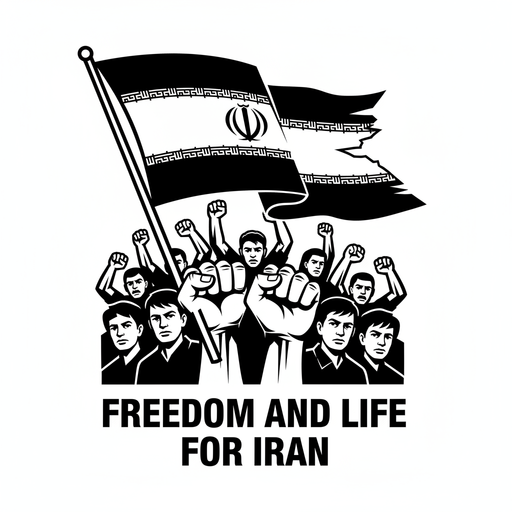



The Iranian rial has hit record lows, sparking widespread protests among merchants and traders across the country. Shopkeepers and business operators are increasingly vocal about the economic pressure they're facing as the currency continues its downward spiral.
This kind of severe currency depreciation tells an important story. When people lose faith in their home currency—when it becomes nearly worthless in their hands—they start looking elsewhere. It's a textbook case of why alternative stores of value matter, especially in regions where economic instability forces ordinary people to think about asset protection.
For traders and small business owners operating on thin margins, a collapsing currency isn't just an abstract economic indicator. It directly impacts purchasing power, makes imports prohibitively expensive, and creates uncertainty around every transaction. The reactions we're seeing reflect real pain in the real economy—the kind of pressure that historically drives interest in parallel financial systems and borderless assets.
Whether through commodities, foreign exchange, or other alternatives, people in distressed economies tend to seek out anything that holds value more reliably than their national currency. These moments underscore why many in the crypto space argue that censorship-resistant, portable value is essential infrastructure for people in economically volatile regions.
---
This wave in Iran directly clarifies why holding coins is necessary, no other choice
---
Exactly, the policies are so bad that people naturally find a way out, and the value of BTC reflects that
---
Sky-high import prices, all transactions are scams... small merchants can't get by these days, no wonder everyone wants to run away
---
Rather than waiting for fiat to continue devaluing, it's better to get on board early—simple and straightforward logic
---
Looking at this news, I think of Venezuela; history keeps repeating itself
---
Loss of currency credibility → seeking alternatives, this is not conspiracy theory but basic economics
---
The question is, small countries and ordinary people, what do they use for cross-border payments? It still has to be stablecoins, right
---
This is the real-life version of "escaping fiat currency," as our crypto brothers have said.
---
It seems that those who truly need crypto are not us speculators but those who are actually living through economic hardship.
---
But on the other hand, will this wave in Iran directly boost crypto adoption in the Middle East?
---
Fiat currency collapse → People look for alternatives → Cypherpunk wins? Feels like the logic is a bit too idealized.