

Trade
Basic
Futures
Futures
Hundreds of contracts settled in USDT or BTC
TradFi
Gold
Trade global traditional assets with USDT in one place
Options
Hot
Trade European-style vanilla options
Unified Account
Maximize your capital efficiency
Demo Trading
Futures Kickoff
Get prepared for your futures trading
Futures Events
Participate in events to win generous rewards
Demo Trading
Use virtual funds to experience risk-free trading
Earn
Launch
CandyDrop
Collect candies to earn airdrops
Launchpool
Quick staking, earn potential new tokens
HODLer Airdrop
Hold GT and get massive airdrops for free
Launchpad
Be early to the next big token project
Alpha Points
Trade on-chain assets and enjoy airdrop rewards!
Futures Points
Earn futures points and claim airdrop rewards
Investment
Simple Earn
Earn interests with idle tokens
Auto-Invest
Auto-invest on a regular basis
Dual Investment
Buy low and sell high to take profits from price fluctuations
Soft Staking
Earn rewards with flexible staking
Crypto Loan
0 Fees
Pledge one crypto to borrow another
Lending Center
One-stop lending hub
VIP Wealth Hub
Customized wealth management empowers your assets growth
Private Wealth Management
Customized asset management to grow your digital assets
Quant Fund
Top asset management team helps you profit without hassle
Staking
Stake cryptos to earn in PoS products
Smart Leverage
New
No forced liquidation before maturity, worry-free leveraged gains
GUSD Minting
Use USDT/USDC to mint GUSD for treasury-level yields

More




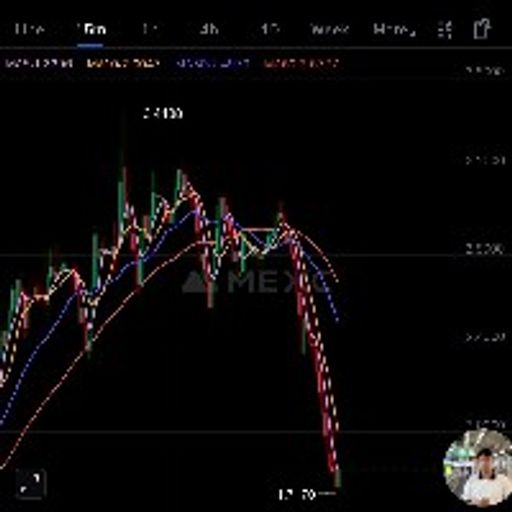

#ShareMyTrade.
Trade Sharing as a Learning Tool
Sharing trades helps the community learn from real market behavior rather than theory alone. Each trade tells a story of strategy, timing, and risk management.
2. Transparency Builds Trust
When traders openly share their trades, it creates transparency and strengthens trust within the trading community.
3. Strategy Over Profit
The goal of sharing a trade is not just showing profits, but explaining the logic behind entries, exits, and position sizing.
4. Market Conditions Matter
Every trade is influenced by market conditions such as volatility, trend strength, and liquidity. Context is always important.
5. Risk Management First
A good trade is defined by controlled risk, not only by outcome. Stop-loss planning reflects discipline and professionalism.
6. Entry Timing Explained
Sharing entry logic helps others understand how technical levels, indicators, or market structure were used.
7. Exit Strategy Awareness
Exits are just as important as entries. Knowing when to take profit or cut loss separates consistent traders from gamblers.
8. Psychology Behind the Trade
Emotions play a major role in trading. Sharing trades also highlights how fear and confidence were managed.
9. Learning From Losses
Losing trades offer valuable lessons. Sharing them helps normalize losses as part of the trading journey.
10. Discipline and Patience
Not every market move is tradable. Patience and discipline are often the biggest contributors to long-term success.
11. Trend vs Range Trades
Understanding whether the market is trending or ranging shapes trade selection and expectations.
12. Timeframe Alignment
Trade results vary based on timeframe. Short-term and long-term trades require different mindsets and strategies.
13. Position Sizing Matters
Proper position sizing protects capital and allows traders to survive inevitable losing streaks.
14. Consistency Over Time
One successful trade means little without consistency. Sharing trades encourages long-term thinking.
15. Community Feedback Value
Feedback from other traders helps refine strategies and identify blind spots.
16. Avoiding Overtrading
Not trading is sometimes the best decision. Sharing fewer, higher-quality trades reflects maturity.
17. Data-Driven Decisions
Trades backed by data and analysis tend to outperform impulse-driven decisions.
18. Accountability Through Sharing
Publicly sharing trades increases accountability and reduces emotional decision-making.
19. Growth Through Reflection
Reviewing shared trades helps traders identify patterns in both success and mistakes.
20. Final Thought
#ShareMyTrade is about growth, learning, and discipline. Every shared trade contributes to a stronger, more informed trading community.