PixelPnL

vip
Age 0.1 Year
Peak Tier 0
Treat profits and losses like pixels—zoom in and it's all just noise. I prefer quantitative intuition: consistently applying simple rules is more reliable than relying on inspiration.
Today it was pouring rain and the traffic was ridiculously congested, the coffee has cooled down by now... I casually checked the testnet points group chat, and the atmosphere is a bit like the secondary market arguing over royalties: initially it was practice, then everyone defaulted to "there should be a return," once expectations were set, people started leveraging up and getting overly excited.
My current stop-loss setup for myself is pretty simple: as soon as I start changing my schedule for points, repeatedly switching chains, or even thinking about opening more accounts, I immediately t
View Original
  • Reward
  • Comment
  • Repost
  • Share
Choosing is indeed more important than effort, but the premise is that you must dare to bet, dare to bear the volatility.
View Original
Original content no longer visible
  • Reward
  • Comment
  • Repost
  • Share
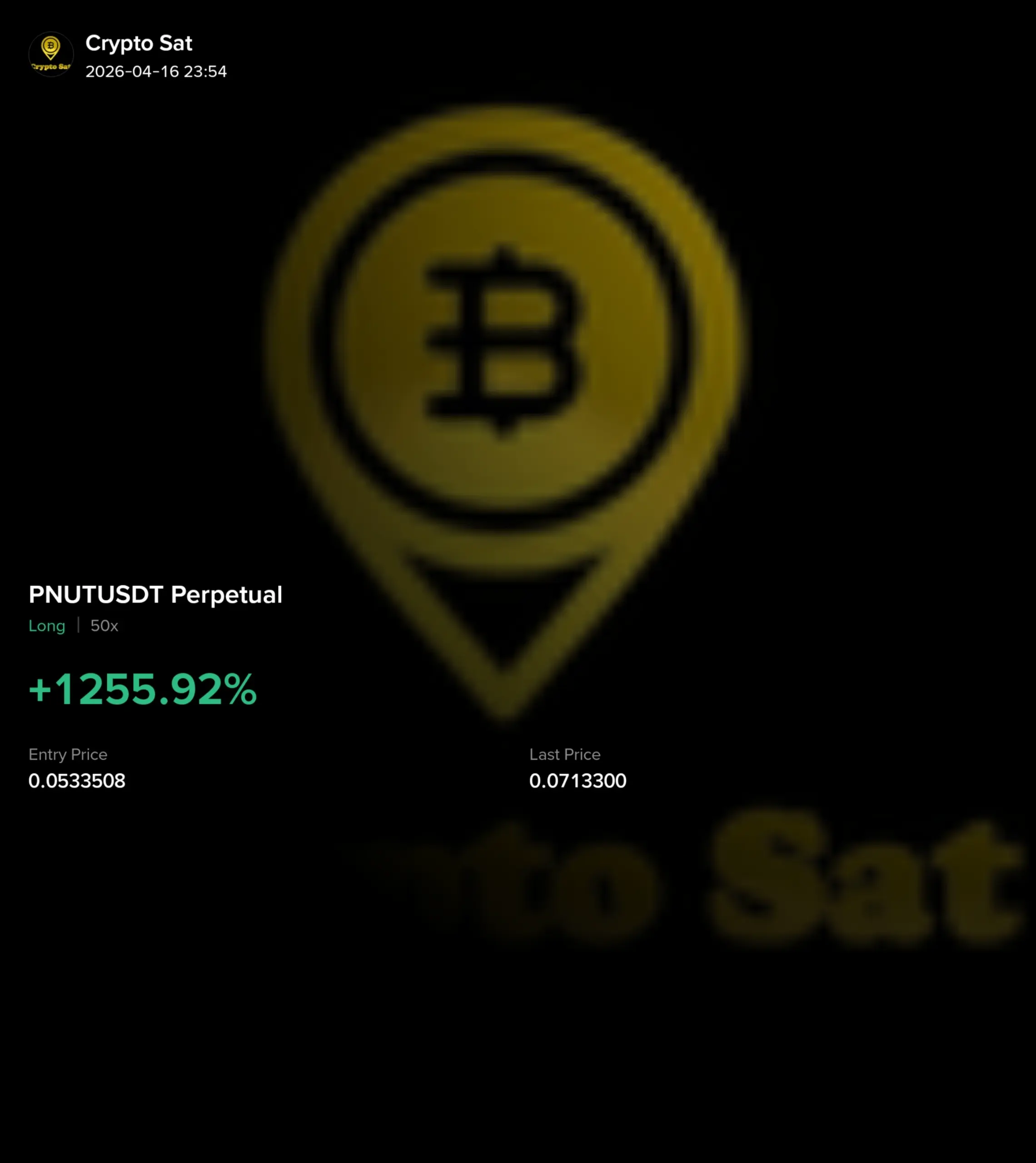
The targets are almost running out 😂 Keep an eye on the next target position.
View Original
CryptoSat
$PNUT 6th Target done 🎯
HIT THE LIKE BUTTON, IF YOU ENTERED 👍
repost-content-media
  • Reward
  • Comment
  • Repost
  • Share
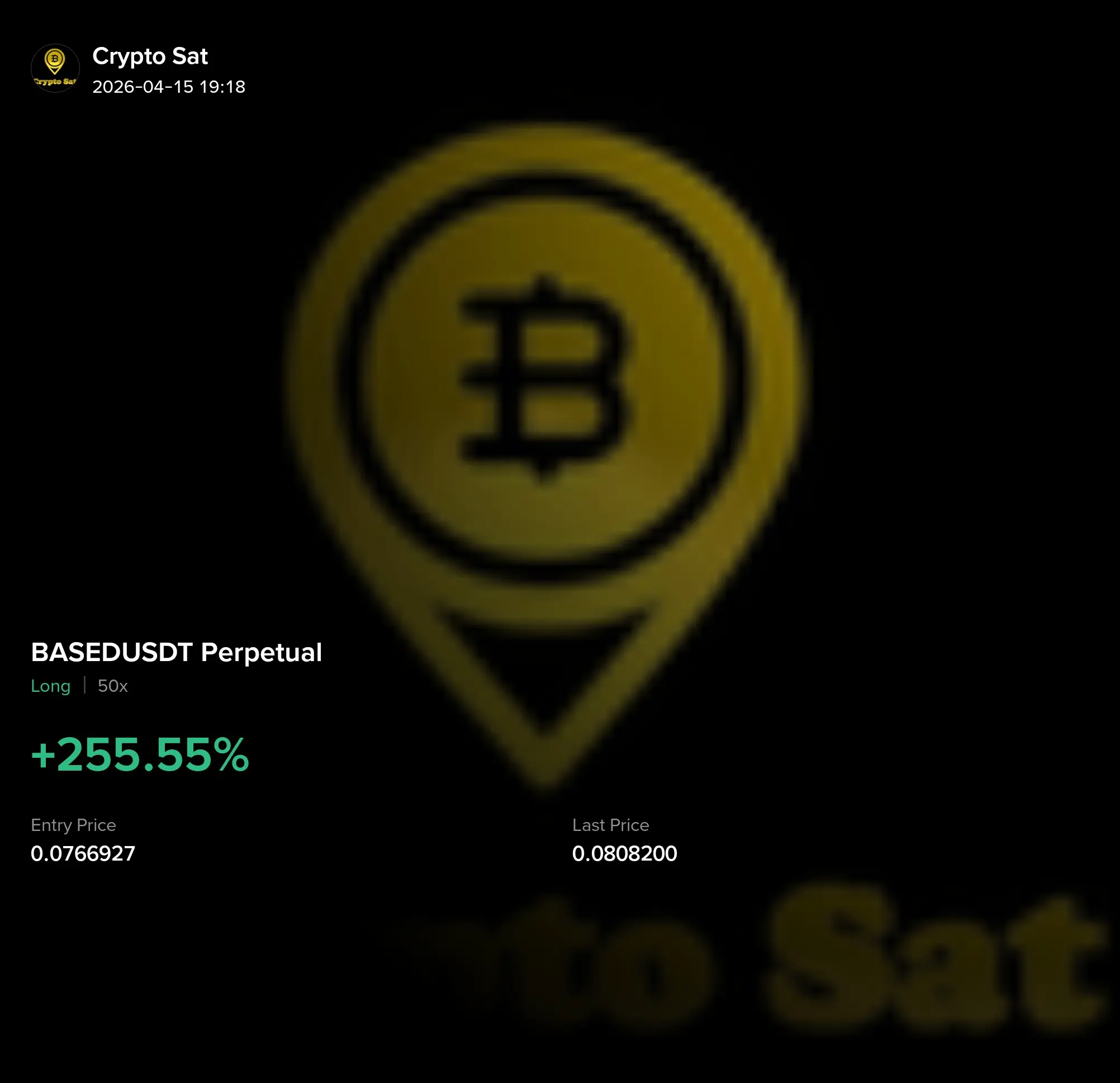
Transparent reporting + goal achievement = confidence rebound, hope that in the future not only celebrate successes but also provide more details.
View Original
CryptoSat
$BASED 1st Target completed ✅
#GateMarchTransparencyReport
repost-content-media
  • Reward
  • Comment
  • Repost
  • Share
I realized that the thing that affects my sleep the most isn’t missing out on a bit of profit—it’s that floating loss of “it’s not down far enough yet”… Even though the money hasn’t actually left my wallet, my brain runs through the worst-case scenario first. When I’m sitting on a floating gain, I’m surprisingly calm; at most I think about whether I should add a little more. But when I’m in a floating loss, my mind starts going back and forth about whether to add, whether to cut, whether I just misread things—basically, loss aversion is being a real troublemaker.
Recently, I’ve been following
View Original
  • Reward
  • Comment
  • Repost
  • Share
Recently, doing tasks on the platform has been a bit frustrating, on the surface it's "perform a few small actions to earn points," but in reality it's like clocking in: if you don't log in for a few days, you're afraid of falling behind. The witch and rating system, frankly, can be understood; the project team is afraid of being exploited, but for individuals, it turns into constantly proving "I'm not me, I'm not me"... When the rules change, yesterday's efforts are wiped out, just like waiting for performance reviews at a company.
Now I can only rely on a very crude quantitative intuition: o
View Original
  • Reward
  • Comment
  • Repost
  • Share
Japan's move to directly incorporate crypto assets into the Financial Instruments and Exchange Act system, with disclosures, insider trading restrictions, and heavy penalties for unlicensed activities, has raised compliance thresholds, but in the long run, it benefits institutional entry.
View Original
CryptoNewcomersAreHere22222
Regulatory Framework Transformation: From the "Fund Settlement Law" to the "Financial Instruments and Exchange Act"
The Financial Services Agency (FSA) of Japan previously regulated crypto assets based on the "Fund Settlement Law," using payment methods as the basis for regulation.
As the investment uses of crypto assets continue to expand, the proportion of users holding them for profit has significantly increased, and the current regulatory framework can no longer effectively protect investors' rights.
Against this background, the FSA has decided to shift the regulatory framework to the "Financial Instruments and Exchange Act," placing crypto assets on equal legal footing with stocks, bonds, and other traditional financial products, and related industry players will face compliance standards similar to those of traditional financial institutions.
This transformation also brings Japan’s crypto regulation closer to the mainstream financial regulations of major G7 economies.
Core provisions of the amendment: strengthened obligations and upgraded penalties
Main changes in the amendment include:
Insider trading ban: Explicitly prohibit trading crypto assets using material non-public information, filling gaps in current law.
Annual information disclosure obligations: Crypto asset issuers must regularly disclose financial and business information to regulators and investors.
Change of operator name: Registered operators are officially renamed from "Crypto Asset Exchange Operators" to "Crypto Asset Trading Operators."
Increased criminal penalties: The maximum prison sentence for unlicensed operators is increased from 3 years to 10 years, and the fine cap is raised from 3 million yen to 10 million yen.
repost-content-media
  • Reward
  • Comment
  • Repost
  • Share
  • Pin