
Futures
Access hundreds of perpetual contracts
TradFi
Gold
One platform for global traditional assets
Options
Hot
Trade European-style vanilla options
Unified Account
Maximize your capital efficiency
Demo Trading
Introduction to Futures Trading
Learn the basics of futures trading
Futures Events
Join events to earn rewards
Demo Trading
Use virtual funds to practice risk-free trading
Launch
CandyDrop
Collect candies to earn airdrops
Launchpool
Quick staking, earn potential new tokens
HODLer Airdrop
Hold GT and get massive airdrops for free
Pre-IPOs
Unlock full access to global stock IPOs
Alpha Points
Trade on-chain assets and earn airdrops
Futures Points
Earn futures points and claim airdrop rewards


More

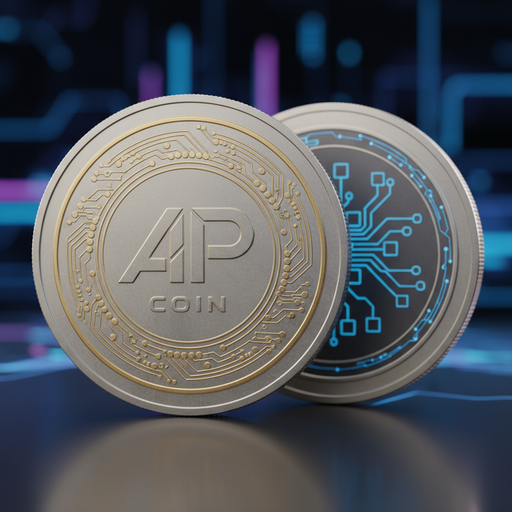




I noticed that people often get confused about the terminology around Web3; it's not just another buzzword, but truly a new approach to organizing the internet. Let's figure out what it's all about.
In short: Web3 is a decentralized internet where data belongs to users, not corporations. Sounds revolutionary? Actually, it’s quite logical. Remember how it all started? In Web1, we simply read static websites like books. Then came Web2 with social media, videos, apps — it became interactive, but all our data ended up in the hands of Google, Meta, and Amazon. Now, Web3 is an attempt to give control back to users through blockchain.
The key difference is that information isn’t stored on servers of a single company. Instead, a distributed database — blockchain — is used, where each network participant keeps a copy of the data. Every transaction is recorded and transparent for verification. This creates a system that’s much harder to hack or manipulate.
What exactly changes for the user? First, you control your data yourself through cryptographic keys. Second, Web3 is an ecosystem where you can earn from your content, participation in projects, or ownership of digital assets. Smart contracts automate processes — for example, if you buy an NFT, the ownership rights transfer to you instantly without intermediaries.
Examples are already working. Cryptocurrencies like Bitcoin and Ethereum are decentralized financial systems independent of banks. Decentralized applications like Uniswap allow exchanging cryptocurrencies without intermediaries. NFTs verify ownership of digital assets — from art to gaming items. DAOs are communities where people manage projects through voting. Metaverses like Decentraland build virtual worlds on the blockchain.
Obvious advantages: you control your data, the system is resistant to hacks thanks to decentralization, everything is transparent and verifiable, and new ways to earn are emerging. But there are also challenges. Most people still find it difficult to understand wallets and smart contracts. If you lose access to your wallet, recovery is impossible. Governments are just beginning to understand how to regulate this sphere. And yes, Web3 is still an evolving technology with a long road ahead.
But the potential is huge. Web3 could radically change how we interact with the internet — making it more fair and secure, where users become main participants rather than just consumers. If you want to start understanding, you don’t need to jump straight into the deep end. Start small, learn the basics, try it out. Like any new technology, Web3 simply requires time and practice.