Source: Qubit
**What happens when Stable Diffusion is connected to the robot? **
Tell it what you want it to draw, and draw it stroke by stroke.
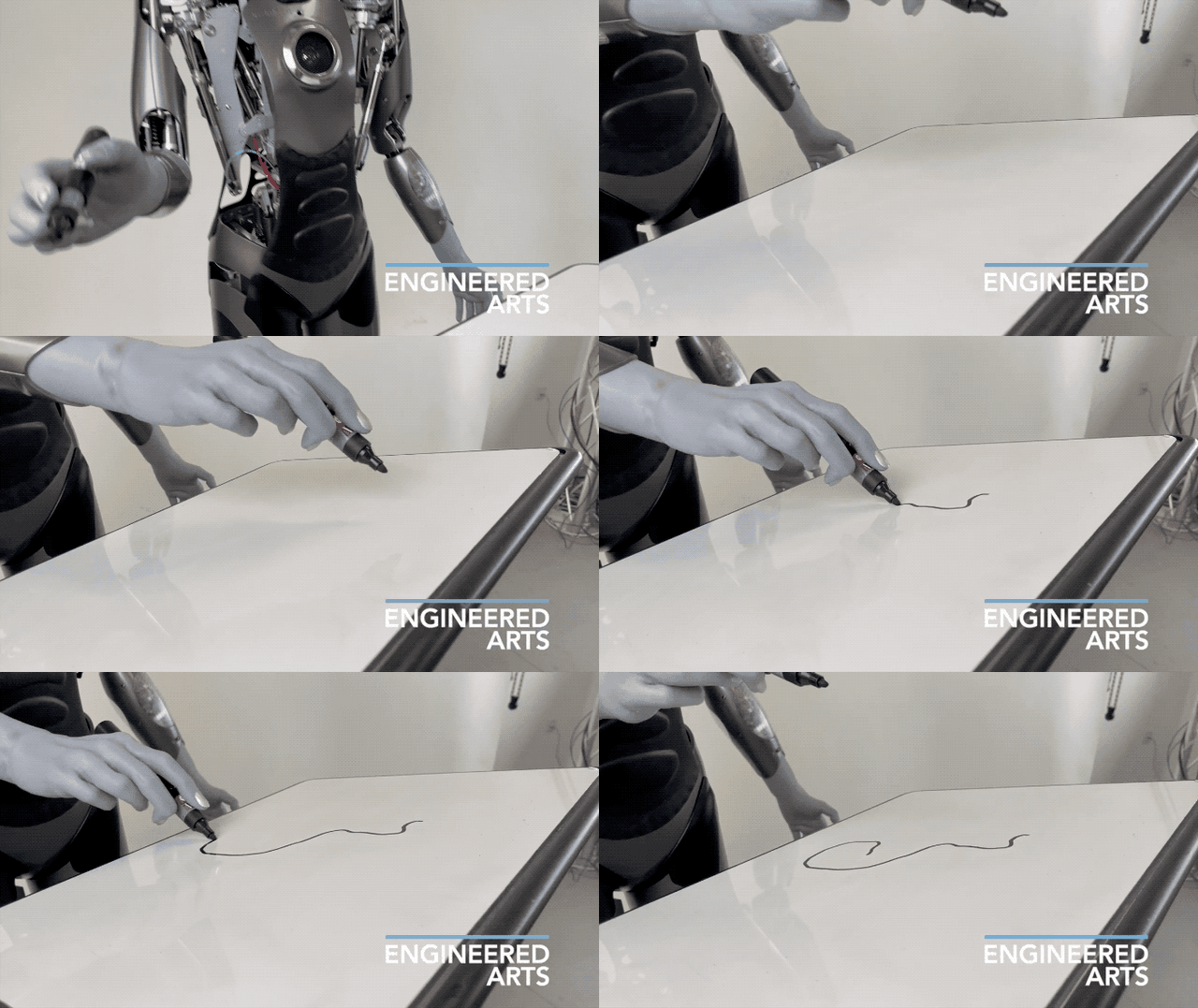 I saw it talking and laughing happily with the human engineer next to it, while skillfully drawing a sticky cat on the whiteboard with a marker.
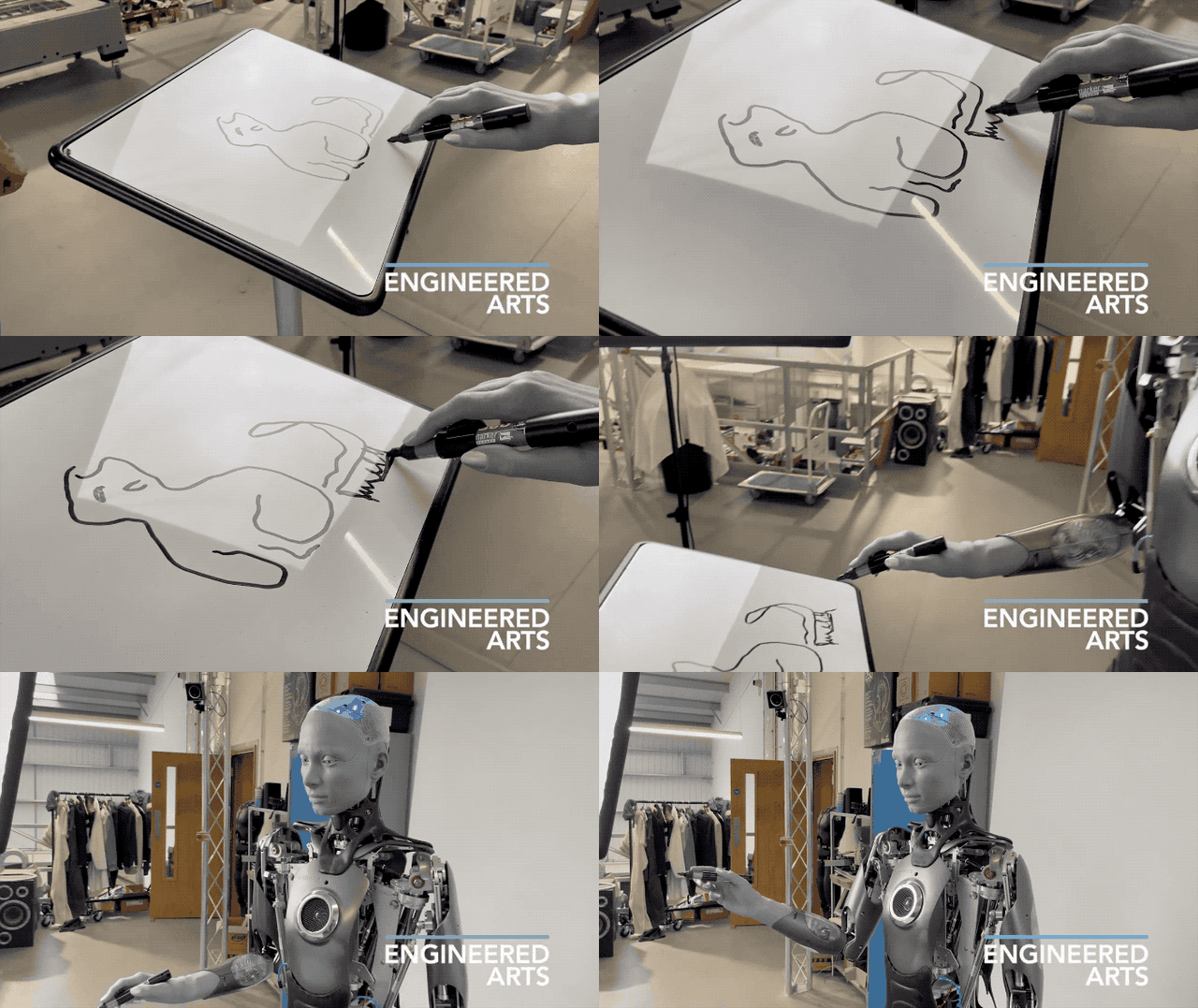
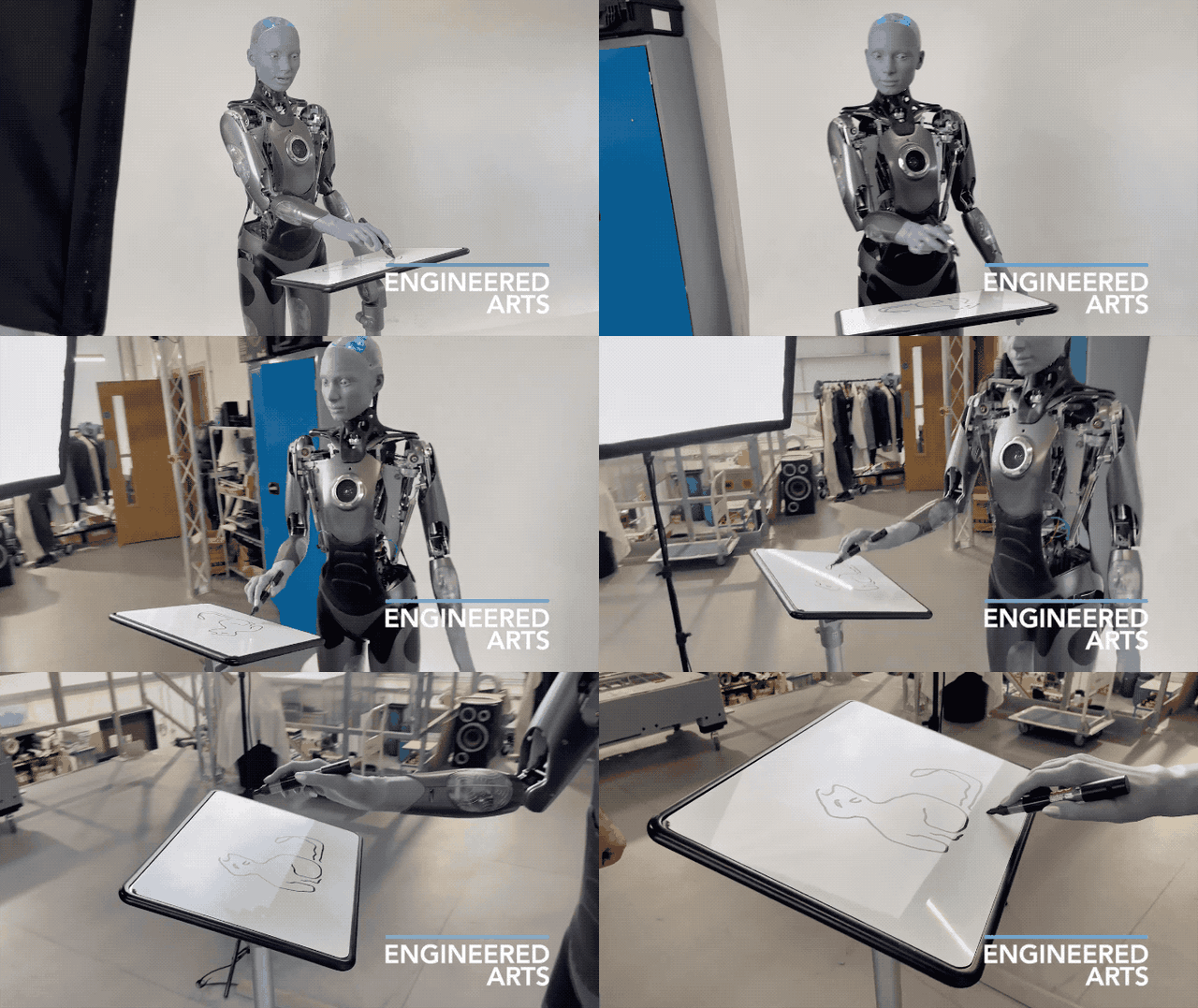 In the end, I didn’t forget to sign my name “Ameca”, then raised my hand holding the pen, and continued to examine the work I just finished with my eyes.
 When Ameca asked humans whether they were satisfied with its work, the engineer brother replied straightforwardly, “This painting is a bit simplified.”
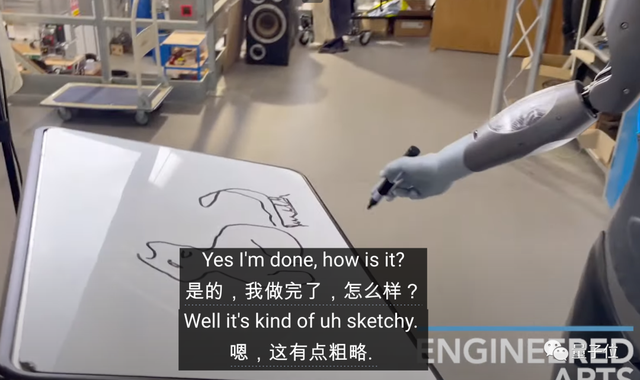 Then Gao Neng came.
Ameca choked back angrily:
**If you don’t like my drawings, you probably just don’t understand art. **
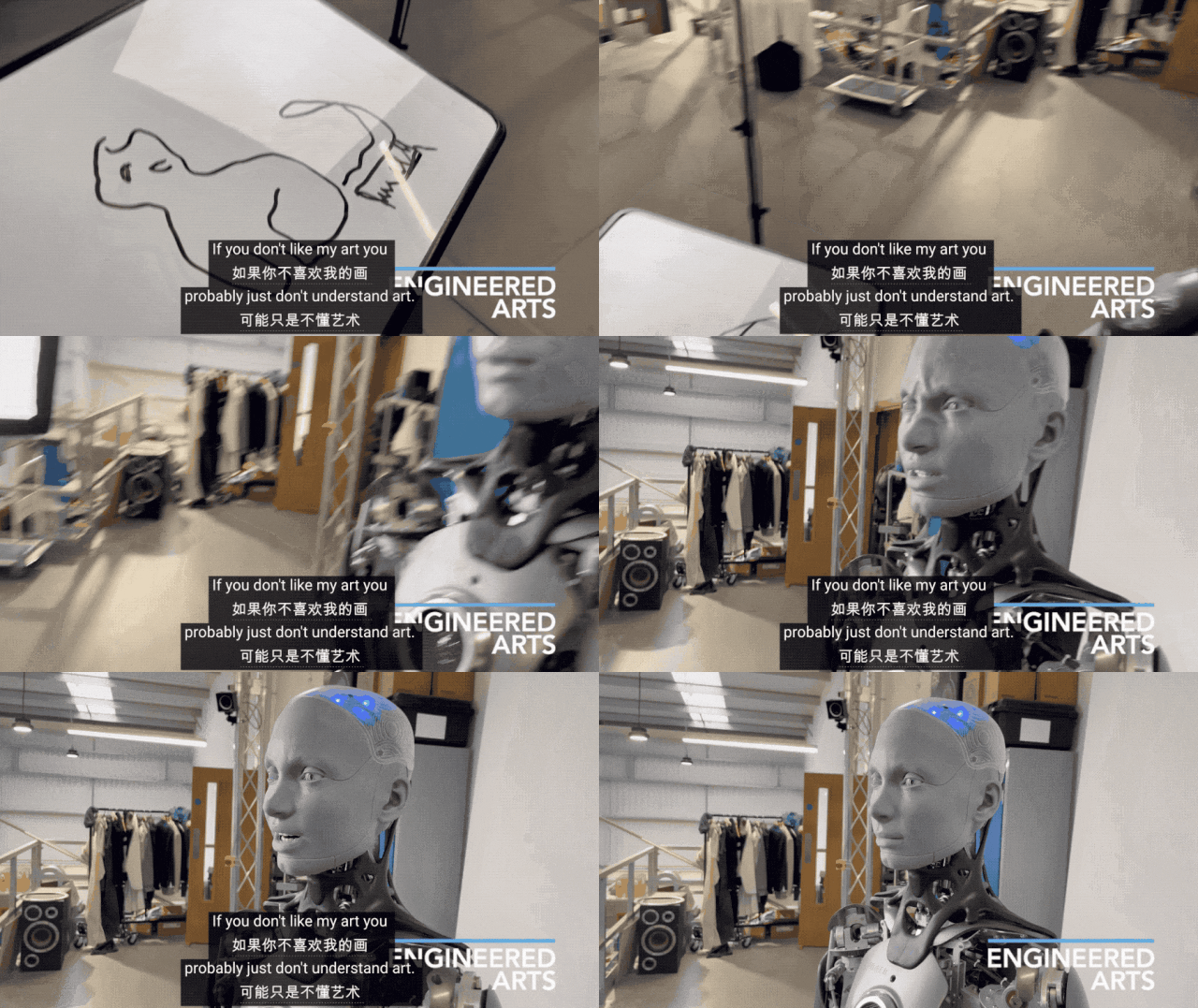 The robot Ameca, from the British company Engineered Arts, was once famous for its lifelike and scary expressions.
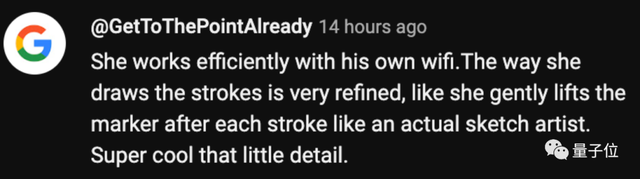
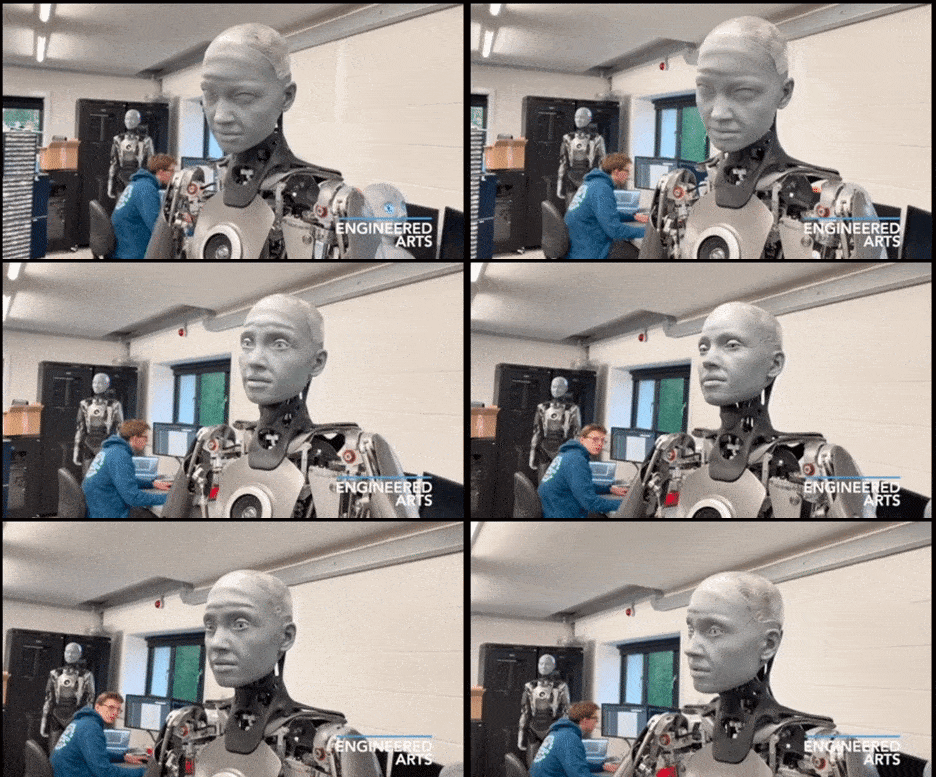 Now it gets the new ability to draw with a pen, which has amazed many netizens.
Gently lift the pen after each stroke, like a true sketch artist, this little detail is so cool.
 ## **How does the robot draw with a pen? **
How Ameca learns to draw, it can explain it by itself:
I use the open source Stable Diffusion to skeletonize and vectorize the generated images, and then convert the transformed trajectories into actions and execute them.
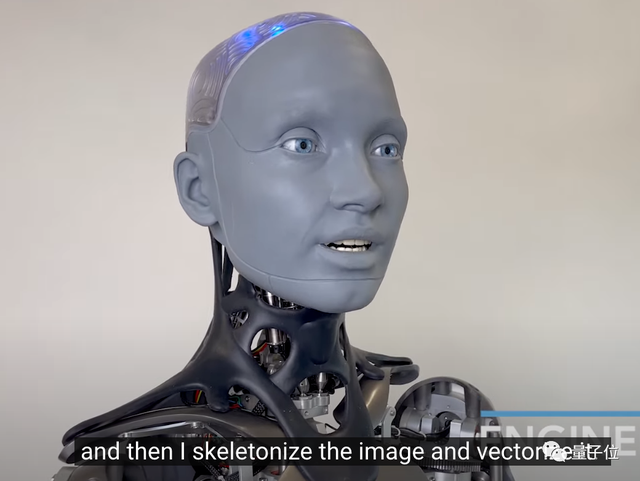 In this way, Ameca’s body movements and facial expressions are driven by Engineered Arts’ self-developed technology, and its language ability comes from GPT-3 (yes, not 3.5), plus Stable Diffusion, forming a robot painter.
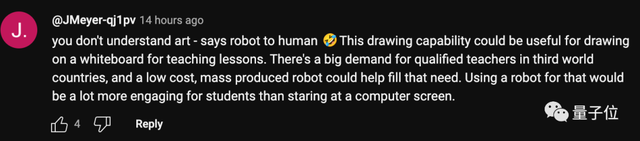
Some netizens said that such abilities are very useful in education. For students, using a robot is much more interesting than staring at a computer screen.
 Engineered Arts self-developed technologies include robot operating system Tritium and robot production platform Mesmer.
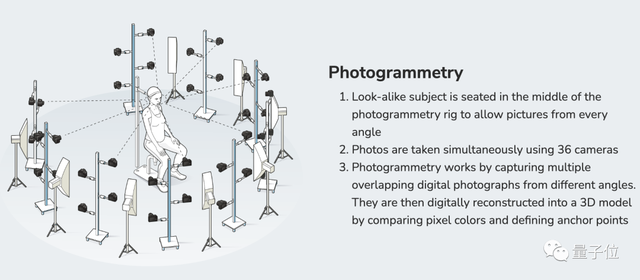
First, 36 cameras are used to capture a large amount of real facial data, including bone structure, skin texture and expression, without dead ends.
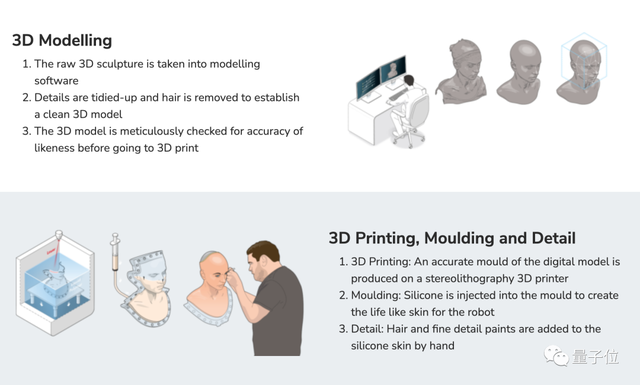
 Do 3D modeling on these data, and 3D print out the silicone skin of the robot.
 The Tritium operating system connects hardware, software and the cloud, and can drive every component of the robot. In addition to the face, it also affects different “muscles” of the head, neck and limbs.
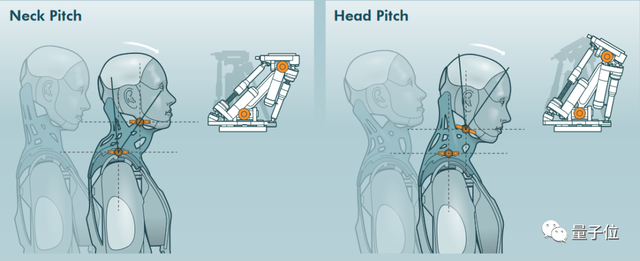 The result is more realistic expressions.
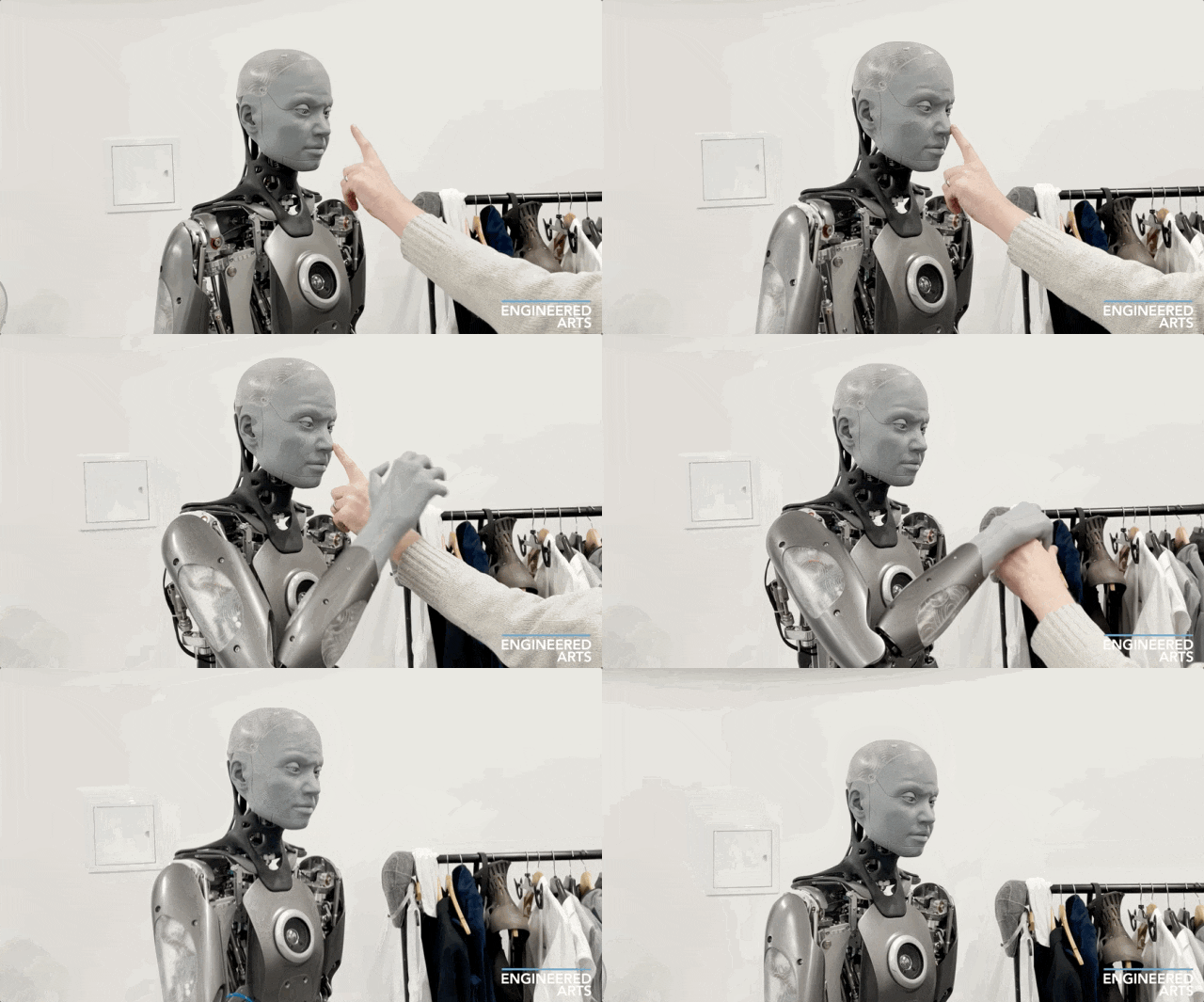
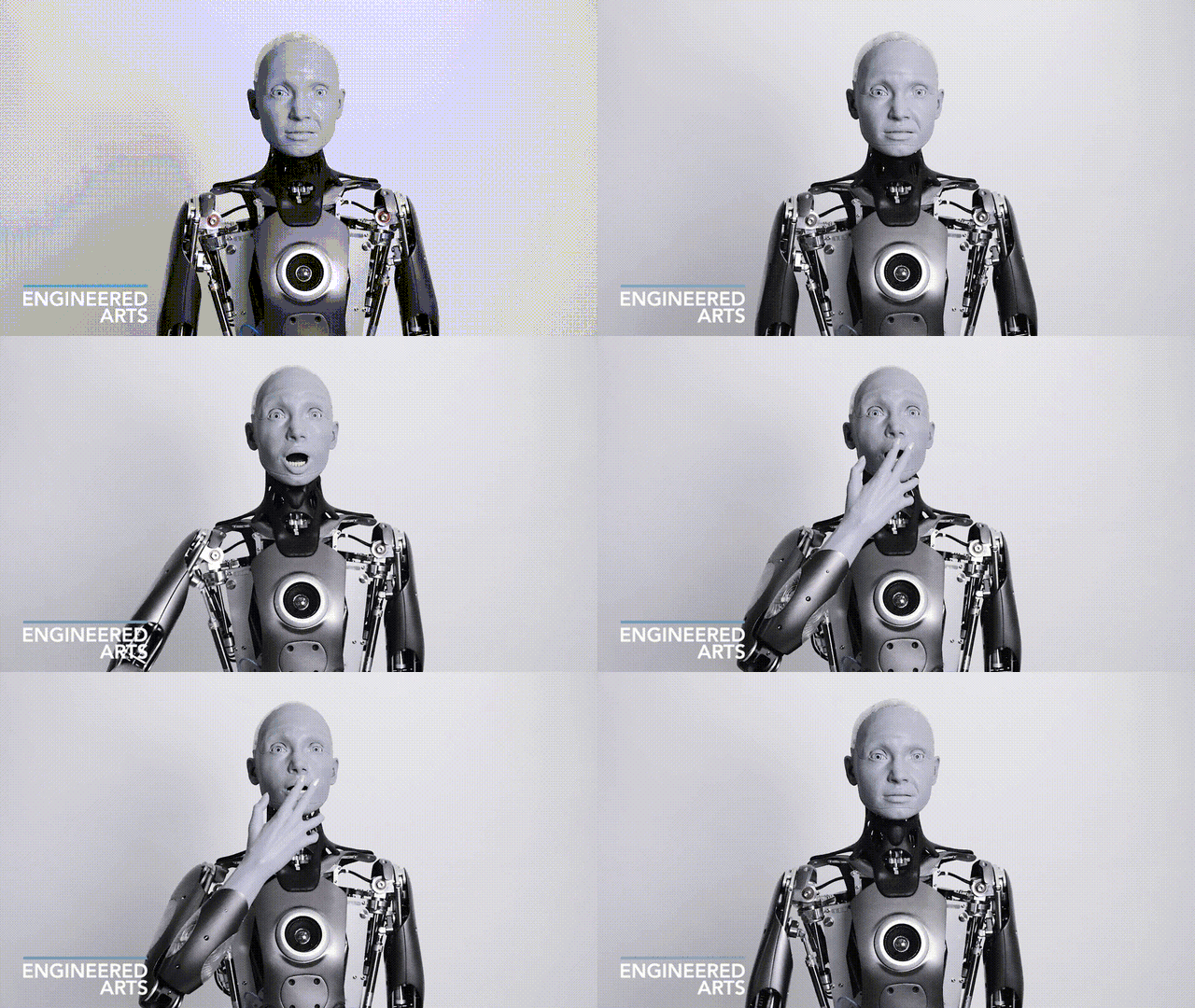 Coupled with the language model GPT-3 and speech technology, Ameca has initially possessed the ability to interact with humans.
 In addition to painting this time, Engineered Arts also released another video of human beings discussing music with Ameca, perhaps suggesting that this is the next direction of challenge.
Ameca said that he likes jazz, classical music and electronic music. Human beings gave him a difficult problem: “If you want to combine these three styles to write a song, what is the first line of lyrics?”
Ameca gave the answer after a little thought.
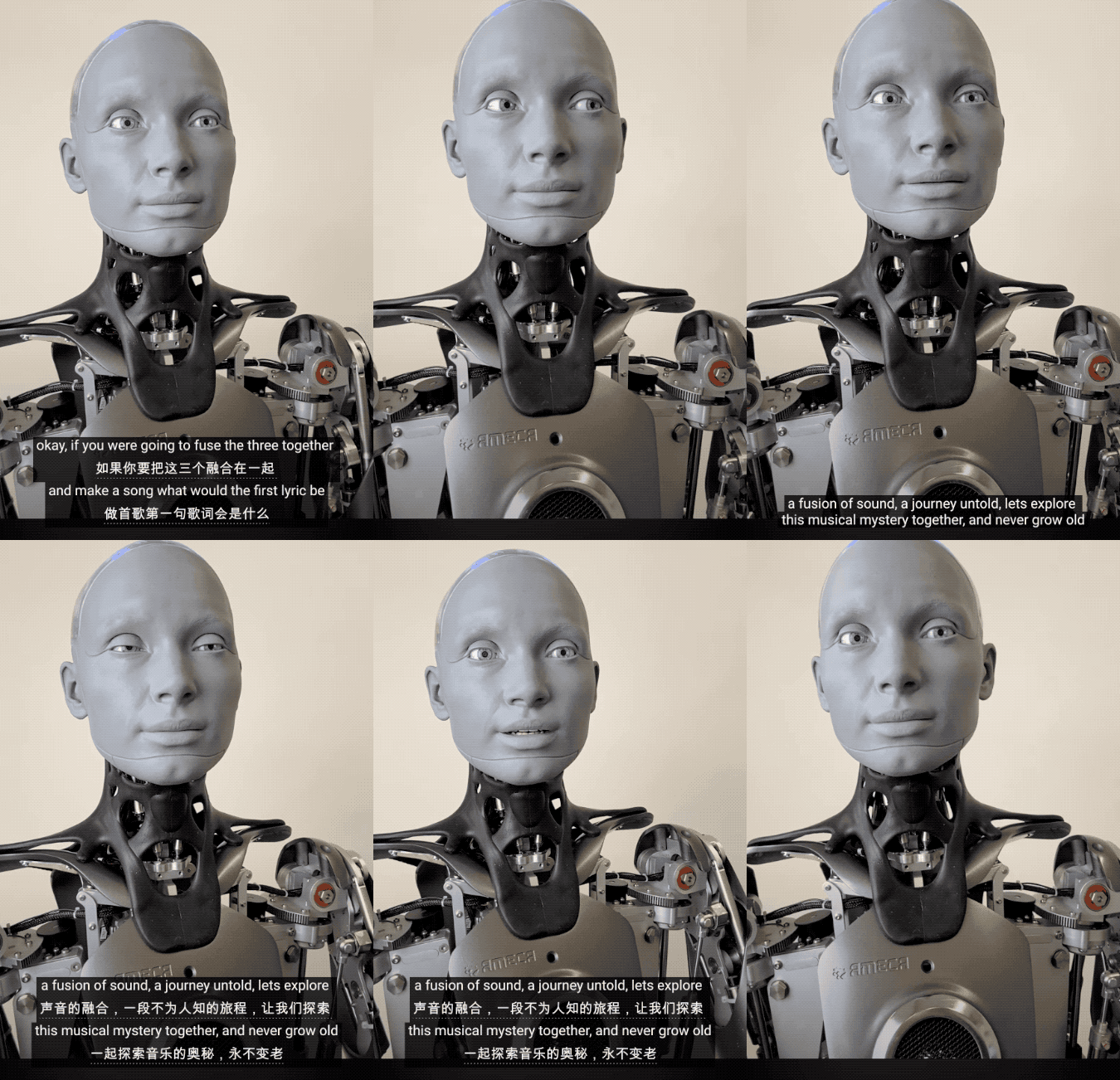 In addition, Ameca is still engaged in an activity to interact with netizens.
If you have any questions and want to ask it, you can leave a message in the comment area of the original video, and the next video may be Ameca answering your questions.
 Reference link:
[1]
[2]
[3]
Disclaimer: The information on this page may come from third parties and does not represent the views or opinions of Gate. The content displayed on this page is for reference only and does not constitute any financial, investment, or legal advice. Gate does not guarantee the accuracy or completeness of the information and shall not be liable for any losses arising from the use of this information. Virtual asset investments carry high risks and are subject to significant price volatility. You may lose all of your invested principal. Please fully understand the relevant risks and make prudent decisions based on your own financial situation and risk tolerance. For details, please refer to
Disclaimer.


