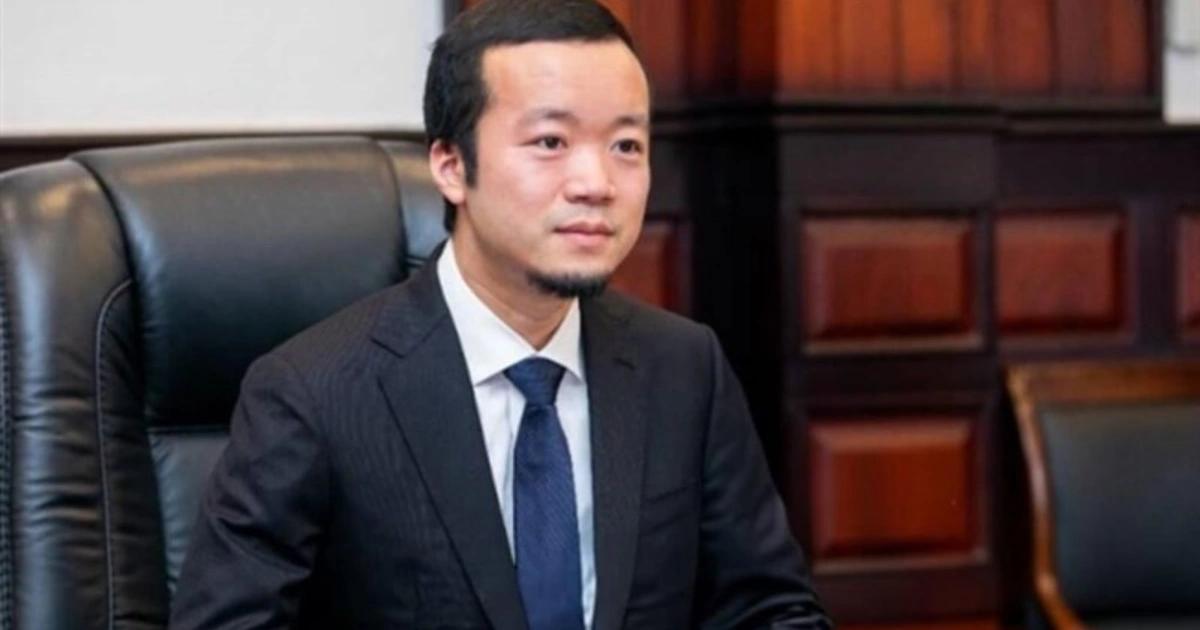
Taipei District Prosecutors Office announced yesterday (4th) that they have concluded the investigation into the Prince Group’s cross-border money laundering case in Cambodia, charging 62 individuals and 13 companies. Among them, 9 are in custody, and assets including luxury homes, cars, and financial accounts worth over NT$5.5 billion have been seized. Prosecutors found that the group laundered over NT$10.7 billion through online gambling platforms, underground remittance, and overseas companies.
U.S. Charges and Sanctions as Key Turning Points
Prosecutors stated that the Prince Group, led by Chen Zhi, has long engaged in fraud and online gambling crimes in Cambodia, establishing a large international corporate network for money laundering. In October 2025, U.S. federal prosecutors filed criminal charges against Chen Zhi and others in the Eastern District of New York. The U.S. Department of the Treasury’s Office of Foreign Assets Control (OFAC) also sanctioned nine companies and three nationals associated with the Prince Group in Taiwan.
Following the announcement, the Taipei Prosecutors Office proactively assigned cases and launched joint investigations across departments, marking a significant breakthrough in dismantling this transnational criminal organization.
Nine Years of Money Laundering totaling NT$10.7 Billion: International Business Operations
Investigations revealed that the Prince Group had established multiple companies in Taiwan since 2016, gradually building a corporate-style criminal structure. These companies appeared to be involved in technology, customer service, or gaming-related businesses but were actually providing technical and operational support for online gambling platforms, laundering proceeds from scams through fund flows.
In addition to gambling platforms, the group built a vast network of overseas companies. Prosecutors indicated that the group set up over 250 offshore companies across 18 countries, using fictitious contracts and cross-border remittances to transfer funds, masking the true source of the money with complex corporate structures.
In the final stages of fund transfer, the group combined cryptocurrencies with underground remittance services. Prosecutors pointed out that the group developed a virtual asset tool called “OJBK Wallet,” which exchanged cryptocurrencies for cash through underground remittance channels, then transferred the funds into Taiwan. These funds were subsequently used to purchase luxury homes, cars, and various luxury goods, serving as tools for capital storage and value transfer.
Luxury Homes as Money Laundering Hubs: Heping Dayuan Luxury Community
One of the most notable cases involves the luxury community “Heping Dayuan” in Taipei. Prosecutors stated that Chen Zhi directed members to establish eight shell companies and purchase luxury homes under fake shareholder names to funnel criminal proceeds into Taiwan. The case involves 11 luxury homes and 48 parking spaces. The funds were first transferred through a parent company established in Singapore and then disguised through fictitious leasing or loan agreements.
Taipei Prosecutors Seize 24 Properties and 35 Supercars Worth Over NT$5 Billion
The seized assets include:
- 24 properties valued at approximately NT$3.98 billion.
- 35 supercars and luxury vehicles valued at about NT$1.1 billion.
- 337 bank accounts with a total balance of around NT$440 million.
Additionally, a large number of luxury bags, cigars, and other high-end goods were confiscated. Some of the luxury cars and goods have been auctioned off, raising over NT$438 million.
Prosecutors Seek Maximum Penalties for Chen Zhi
Prosecutors stated that the Prince Group operates as a corporate-style transnational crime enterprise, laundering large amounts of fraud and gambling proceeds into Taiwan, severely disrupting financial order and damaging Taiwan’s international reputation. Therefore, they are seeking the maximum statutory penalties for key members. Chen Zhi, the group’s leader, faces the highest possible sentence; a senior officer in Taiwan, surnamed Lee, is facing over 20 years and a fine of NT$250 million; the fund management supervisor faces over 18 years, with several other key members sentenced to 10-16 years.
Currently, three defendants remain at large and have been issued arrest warrants. Investigations into other related criminal activities are ongoing.
- This article is reprinted with permission from: 《Chain News》
- Original Title: “Taipei Prosecutors Conclude Prince Group Case: Seize NT$5.5 Billion Luxury Homes and Cars, Seek Maximum Penalties for Chen Zhi”
- Original Author: Neo
Disclaimer: The information on this page may come from third parties and does not represent the views or opinions of Gate. The content displayed on this page is for reference only and does not constitute any financial, investment, or legal advice. Gate does not guarantee the accuracy or completeness of the information and shall not be liable for any losses arising from the use of this information. Virtual asset investments carry high risks and are subject to significant price volatility. You may lose all of your invested principal. Please fully understand the relevant risks and make prudent decisions based on your own financial situation and risk tolerance. For details, please refer to
Disclaimer.
Related Articles
UK sanctions $20B scam market by cutting ‘legitimate’ crypto ties
The UK government is cracking down on a $20 billion Chinese-language crypto guarantee marketplace, with sweeping sanctions aimed at cutting the platform off from crypto access.
The UK’s Foreign, Commonwealth & Development Office said in a statement Thursday that Xinbi provides crypto-based
Cointelegraph23m ago
Nvidia is accused of concealing $1 billion in cryptocurrency mining revenue, with Jensen Huang listed as a co-defendant.
A U.S. court has allowed the class action lawsuit against NVIDIA to proceed, with plaintiffs accusing NVIDIA of concealing over $1 billion in GPU mining sales as gaming revenue from 2017 to 2018, impacting investor decisions. This case reveals legal risks associated with revenue classification and may have far-reaching implications for technology companies' future disclosures.
MarketWhisper54m ago
Democratic Party lawmakers sent a letter to the Kansas City Federal Reserve, requesting details on the approval of a certain CEX's access to Federal Reserve services.
Maxine Waters, Chair of the U.S. House Financial Services Committee, sent a letter to the Federal Reserve Bank of Kansas City’s president, asking for a detailed explanation of the approval process for Payward Financial—an “account with limited purpose”—opened for cryptocurrency exchanges, and focusing on the scope of the relevant services, risk management requirements, and regulatory review, while expressing concerns about the account’s policies and consumer protection issues.
GateNews55m ago
Ko Wen-je was sentenced to 17 years in his first trial, and the indictment document refuted the rumor about a Bitcoin “cold wallet.”
On March 26, the Taipei District Court sentenced Ko Wen-je to 17 years in prison for offenses including corruption, bribery, public interest misappropriation, and breach of trust, along with a 6-year deprivation of public rights. The court stated that the bribes he received were not related to Bitcoin, and the indictment did not involve virtual currencies. This ruling has attracted public attention and revealed the media's confusion in reporting on issues related to crypto assets.
MarketWhisper1h ago
UK sanctions Xinbi’s new-dollar guarantees! Money laundering of $19.9 billion over five years, fueling the rampant operation of scam enclaves across Southeast Asia
The UK government has imposed sanctions on the cryptocurrency platform Xinbi, accusing it of handling $19.9 billion in illegal transactions between 2021 and 2025, related to Cambodian scam parks and transnational money laundering networks. This move marks the first global sanctions of its kind, aimed at cutting off the flow of criminal funds and protecting citizens from fraud. At the same time, assets of the related criminals in London have been frozen, demonstrating the determination of countries like the US and UK to strengthen their crackdown on crypto crime.
CryptoCity1h ago
Hong Kong mandates unlocking phones and Bitcoin wallets; those who refuse face criminal charges.
Hong Kong authorities reaffirm their law enforcement powers under the National Security Law, requiring all individuals to unlock their devices during investigations, including foreign travelers. This regulation poses specific risks to cryptocurrency holders, as exposure of related data could lead to asset loss. Experts recommend traveling with "clean devices" and avoiding storing sensitive information to protect crypto assets.
MarketWhisper3h ago


