
Author: TT3 Labs
Preface
Before diving into this observational report, take a moment to calibrate the coordinate system for this observation.
As a remote opportunity recruitment platform focused on the Chinese-speaking market, our perspective inevitably has limitations. We cannot see the full picture of the Web3 world, nor can we cover the entire recruitment ecosystem of the English-speaking community. The data in this report is solely derived from our backend operational data from Q4 2025 to February 1, 2026, supplemented by community interviews and cross-verified public information. We are aware that due to sample size limitations, there may be some bias, but microscopic data can sometimes reveal interesting insights. If possible, we hope it can serve as a small signpost on the long journey of industry practitioners.
Chapter 1: Rising Push and Barriers, When the “Big Tech Halo” Meets “Educational Inflation”
“Web3 is becoming more and more like the Web2 we’re trying to escape.”
1.1 Why are so many people suddenly flocking here?
The structural overflow in the Web2 employment market is not just emotional speculation but a dual squeeze caused by physical layoffs and industry realignment. Established platforms like Alibaba have carried out large-scale layoffs—flattening organizational structures—reducing their workforce by over 15,000 employees in FY2024, ending with a total of 204,891 employees. Meanwhile, companies like Baidu and ByteDance, with relatively stable headcounts, are also undergoing intense “restructuring,” cutting traditional operations, functions, and mature businesses in maintenance phases, replacing them with AI algorithms and global talent influx. This reallocation of business focus has passively pushed out many mid-level managers and technical backbone with extensive internet experience who are not aligned with new business logic.
For many middle managers and traditional tech engineers, Alibaba’s layoffs mean job losses; Baidu and ByteDance’s personnel changes mean experience becomes outdated. This net talent outflow and structural shift have a significant impact on the talent market.
Backend operational data shows an increasing proportion of applicants from traditional internet backgrounds, with a notable rise in candidates with over six months of gap in employment. More people view Web3 as a “risk-hedging transition” rather than an “interest-driven entry.” To prepare this report, we interviewed several job seekers, all expressing hope to find an outlet in Web3 to counteract the anxiety of age 35 and workplace involution.
1.2 The economic logic behind “Educational Inflation”
However, the threshold for finding new opportunities is rising. In TT3Labs, we define companies with 0-50 employees as “startups.” Even these small, “boutique” teams are quietly raising their hiring standards.
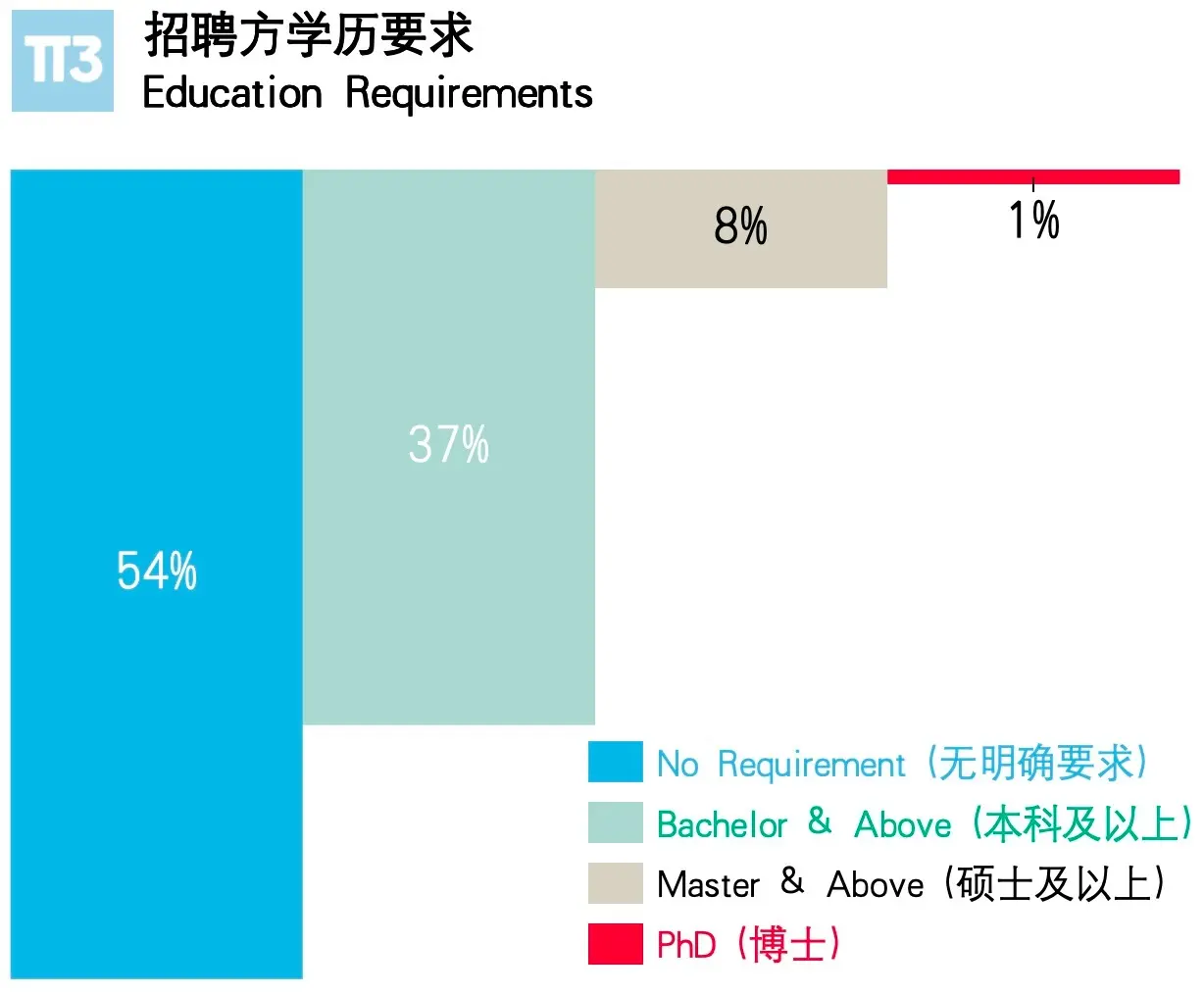
- Data source: TT3Labs, internal operational data as of February 1, 2026.
Among the startup positions added from Q4 2025 to February 1, 2026, about 46% require a bachelor’s degree or higher, and over 3% explicitly specify “985/211” or “QS top XX” as clear educational requirements. When a Web3 startup offers an annual salary of roughly 350,000 to 450,000 RMB, this budget is enough in the current domestic job market to hire a graduate with over three years of experience from a prestigious university.
This elite screening aligned with traditional industries also means Web3 recruitment has entered a more stringent selection phase, moving beyond the early heroism of “anyone can join” to a more rigorous process.
1.3 The failure of big tech endorsement and the invisible thresholds of TOP CEX
Compared to the straightforward educational requirements for startups, the top 10 mainstream exchanges (CEX) are more cautious in their job descriptions, rarely specifying age or educational limits, but industry thresholds are becoming more difficult to cross.
Analysis of candidate screening pass rates shows that platform HRs generally prefer candidates with two or more years of industry experience over those without any industry background, even if they are from large tech companies.
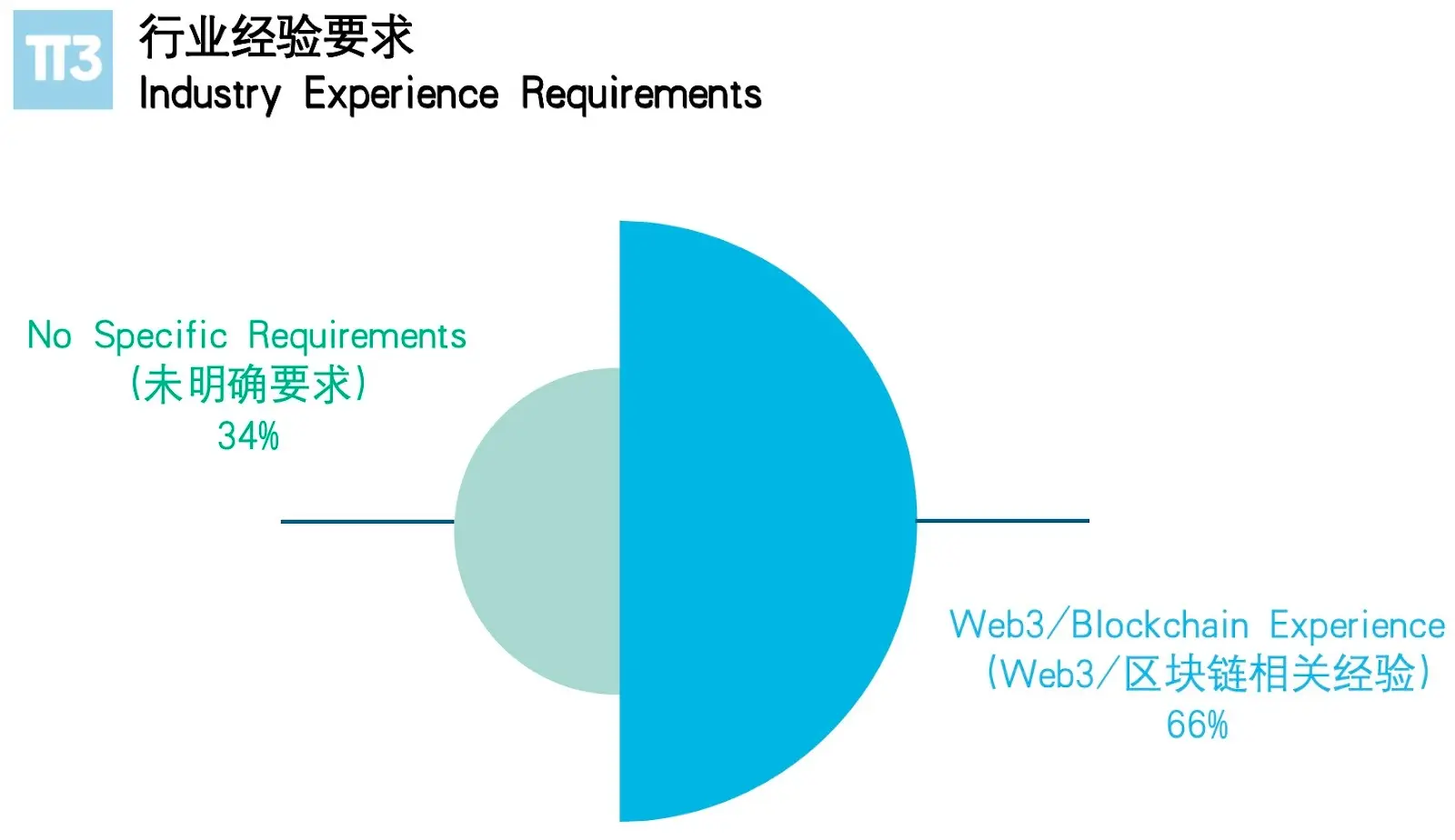
- Data source: TT3Labs, internal operational data as of February 1, 2026.
This isn’t because talent from big tech is less skilled, but due to the nature of CEX business. China’s internet giants focus on traffic-driven narratives, while mainstream Web3 employers like CEX are closer to fintech and asset risk management.
For CEX, a candidate with trading experience, familiarity with blockchain logic, and understanding terms like “perpetual contracts” and “on-chain trading” can significantly reduce communication costs. Therefore, industry know-how currently outweighs general skills. Nearly 70% of positions are not friendly to candidates with zero experience, leaving only about a third of opportunities for potential entrants.
1.4 The absurdity and practicality of “downgrading to level up”
Soft industry experience thresholds have fostered pragmatic job-seeking strategies. In community discussions, experienced practitioners often advise newcomers: to gain access to core circles, software engineers with years of experience are recommended to intern or volunteer at small DEXs (decentralized exchanges) or early-stage projects, and employers are happy to accept such mature candidates for these “internships.” Job seekers accept monthly pay of a few hundred dollars or even unpaid work just to add “on-chain” project experience to their resumes, compensating for the halo effect of big tech in industry barriers. This is a clear form of employment exploitation, but many candidates accept it, hoping to gain a competitive edge—an industry charm.
Chapter 2: Dislocation and Employers—What Are Mainstream Employers Really Looking for in the Talent Market?
“The mismatch between talent supply and demand is not the worst; the more concerning issue is practitioners’ misperception of the industry.”
2.1 The unavoidable largest employer: CEX
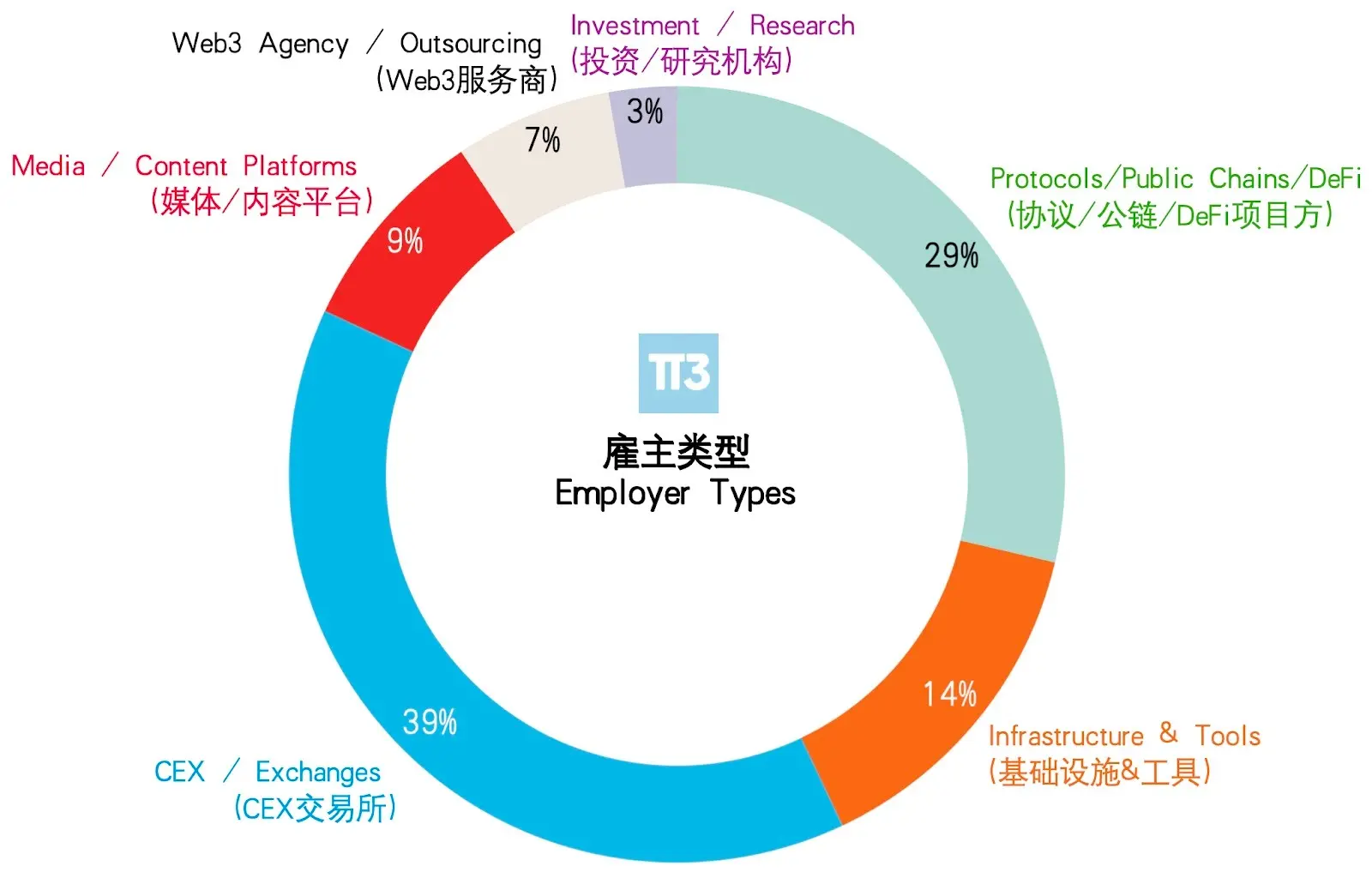
- Data source: TT3Labs, internal operational data as of February 1, 2026.
Although decentralized narratives (DeFi/DAO) are the industry’s spiritual emblem, in the current Chinese-speaking job market, CEX (centralized exchanges) and their ecosystem companies remain the dominant job providers, at least on our platform. Compared to unstable project teams, CEXs have more transparent information, stronger brand presence, and higher social media discussion volume, which directly translates into more transparent employer reputation—trust being the most valuable asset in this industry.
In this environment, many potential candidates unfamiliar with the industry tend to equate CEX with Web3. While CEXs are many people’s first contact with the field, a centralized organization does not fully represent the future of decentralized narratives. Since CEXs are fundamentally financial infrastructure for trading and asset custody, earning revenue from trading fees and market speculation, these employers tend to have stricter risk control and personnel efficiency requirements during market volatility.
In December 2025, Binance’s co-CEO He Yi publicly cited “insufficient talent density” as the biggest challenge facing the organization. Platform data and interviews show that top 5 CEXs post new positions via Telegram, websites, referrals, and other channels can easily receive over a hundred resumes in a day. However, the average time to close a position on our platform is as long as 25 days, partly because our daily active user base still has room to grow, and partly because even leading companies find it difficult to find ideal employees. The “ideal employee” is twofold: one, candidates must meet the employer’s ideal profile expectations; second, whether the employee has genuine interest and expectations for the industry, rather than just seeking quick money due to misperception.
2.2 The disappearance of middle management: the “downgrade” from team leaders to execution roles
We tracked dozens of senior candidates applying through TT3 and observed a clear “rank compression” phenomenon:
Candidates with non-Web3 team management experience often, after taking new roles, revert to titles like Senior Developer or Senior Analyst. Managers return to execution roles. The underlying logic, besides the difficulty of converting experience as a newcomer, includes several factors:
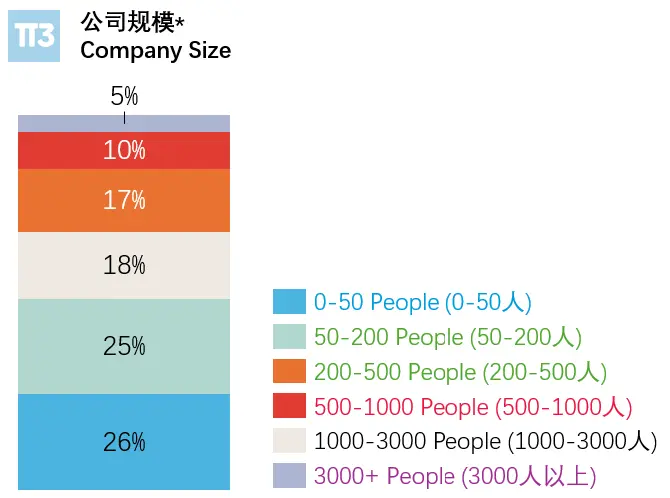
- Data source: TT3Labs, internal operational data as of February 1, 2026.
1. Scale limitations: While social media often compares mainstream exchanges to giants like ByteDance or Tencent, only a few top-tier CEXs have thousands of employees. Most Web3 project teams are only a few dozen to a few hundred people.
2. Business simplicity leading to flat organizational structures: Due to limited existing business scenarios, many tokenization and new business initiatives are still in incubation and exploration. Compared to internet companies’ various BGs/BU, CEXs’ simpler fee-based business models cannot support large middle management groups.
Whether it’s token issuance projects, U-card organizations, or various exchanges, their performance growth heavily depends on market conditions or external KOLs and part-time business development. This causes long-term performance anxiety among employers, leading to sensitive hiring strategies—when performance declines, they tend to shrink staffing.
This sense of drifting makes many realize they are on a raft, prompting practitioners to frequently switch jobs or even work simultaneously for multiple employers, resulting in a lack of belonging and recognition. Backend data sampling shows the average tenure in Web3 jobs is only 8.6 months. Many practitioners just want quick money, which has become an industry consensus akin to getting paid with U.
Chapter 3: Salary Payments and Disenchantment—Costs Hidden in the Shadows
“When ‘paying U’ becomes not just industry consensus but a societal perception, its risks and rewards are taken seriously.”
3.1 From “Anti-fraud” to “Guarantee”: Shifting Focus
Those who followed the social account “TT3在哪里” in early 2025 may remember our popular post titled “When I Got a Web3 Offer, I Started to Hesitate.” At that time, the comment section was filled with questions and doubts about whether “paying U” was reliable or whether companies they hadn’t visited might run away. Back then, these concerns reflected a high-risk perception among potential practitioners.
Just two quarters later, news about stablecoin compliance flooded mainstream media—Hong Kong’s “Stablecoins Ordinance” was implemented on August 1, 2025, and licensing frameworks for fiat-pegged stablecoins emerged. Community inquiries about “payment security” significantly decreased. Attention shifted to more practical issues: social security, housing funds, tax compliance, and other routine labor and capital concerns. “U-based compensation” has gradually shed its stigma, but some basic labor issues still trouble newcomers, affecting their decision to enter the industry. We expect that as compliance standards improve, employers will also standardize hiring practices, and protections for workers will gradually enhance.
3.2 Salary distribution: Convergence of explicit premiums
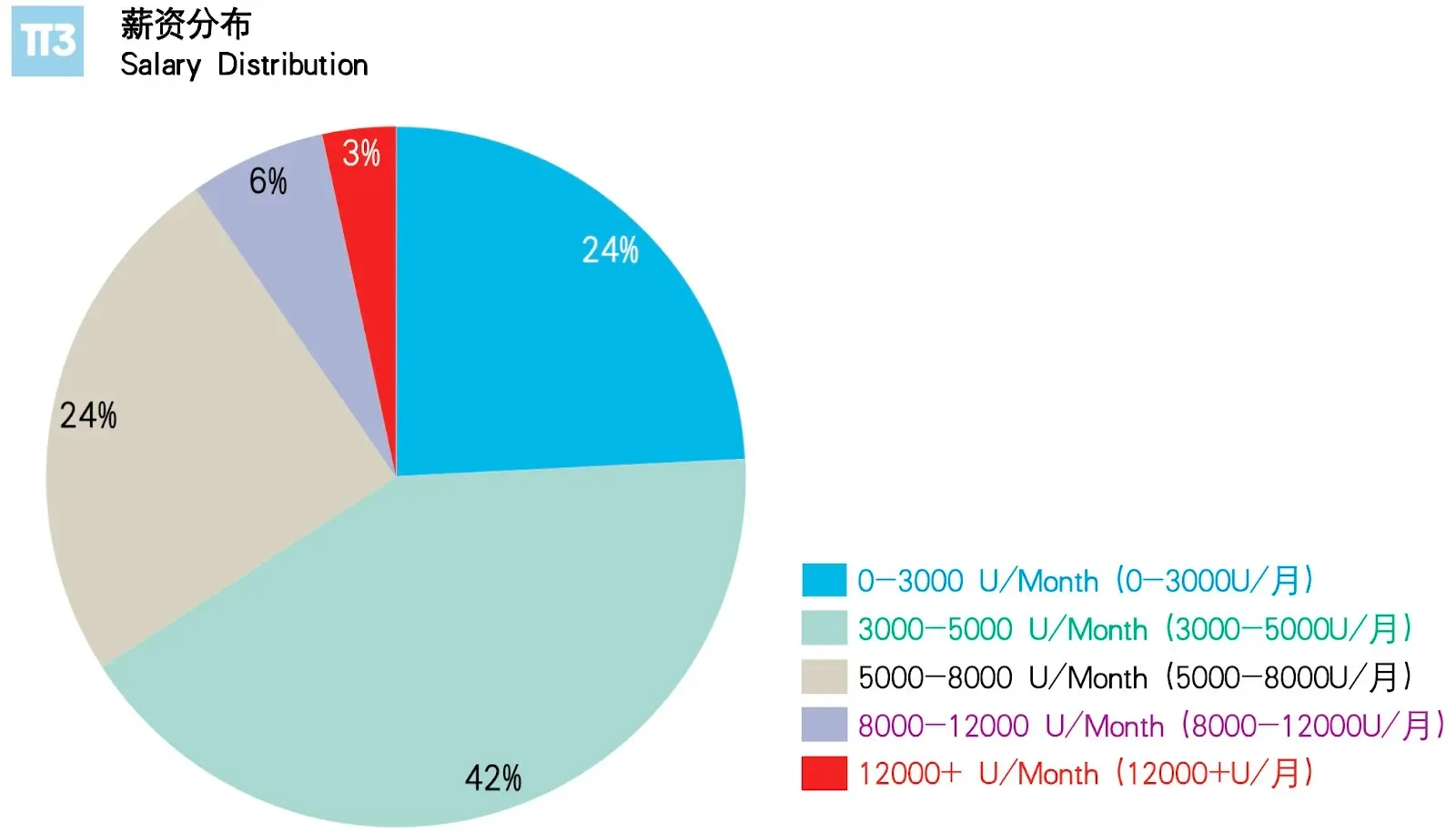
- Data source: TT3Labs, internal operational data as of February 1, 2026.
We observe that the mainstream salary range on TT3 is between $3,000 and $5,000 USD. Considering net take-home pay, this industry still offers decent returns. For routine technical and operational roles, the median salary in Web3 overlaps with traditional internet sectors.
High-paying roles above $8,000 USD are concentrated in a few core protocol positions and resource roles that significantly drive growth. For most regular roles, premiums have converged, and more positions paying below $3,000 USD per month are emerging—Web3 is no longer an industry where everyone can earn high salaries. Job seekers are now weighing “lack of social security,” “job instability,” and other policy risks rarely seen in traditional industries as hidden costs to pursue their ideal “geographical freedom.”
However, this comparison is inherently unfair. People often compare top-tier internet company salaries with those of second- or third-tier Web3 companies, using a “Tian Ji’s horse racing” analogy to conclude that “this industry or certain roles are not worth it.” In reality, top-tier positions in any industry are scarce and highly competitive. Moreover, salary capabilities vary greatly across industries due to differing industry strengths.
Chapter 4: Encirclement, Identity Anxiety, and “Double Migration”
“As regulatory grids tighten, the middle ground available to digital nomads is continuously shrinking.”
4.1 Starting with Singapore’s “Visa Anxiety”
From Q4 2025, we increasingly sensed that talent in Singapore was focusing on “visa” issues. Due to licensing restrictions and clear business scope tightening in 2025, many organizations were forced to relocate. As compliance red lines tighten, those who once hoped Web3 could solve identity issues face the pressure of uncertain work visa renewals (EP/SP), pushing them to seek new pathways. Over the past eight years, many companies have migrated in a nomadic manner, obtaining compliance licenses to settle down, while many overseas practitioners, without resolved overseas identities, are like herders disconnected from their tribes.
4.2 Job mobility and the outbound of digital nomads
Meanwhile, the compliance of job positions is also tightening. We observe an increasing proportion of sensitive roles—especially those involving user data, HR, visas, payroll, and fund operations—bearing constraints like “work authorization / nationality preference,” with some extreme descriptions like “Non-CN preferred.” The candidate’s location has become a key consideration for employers.
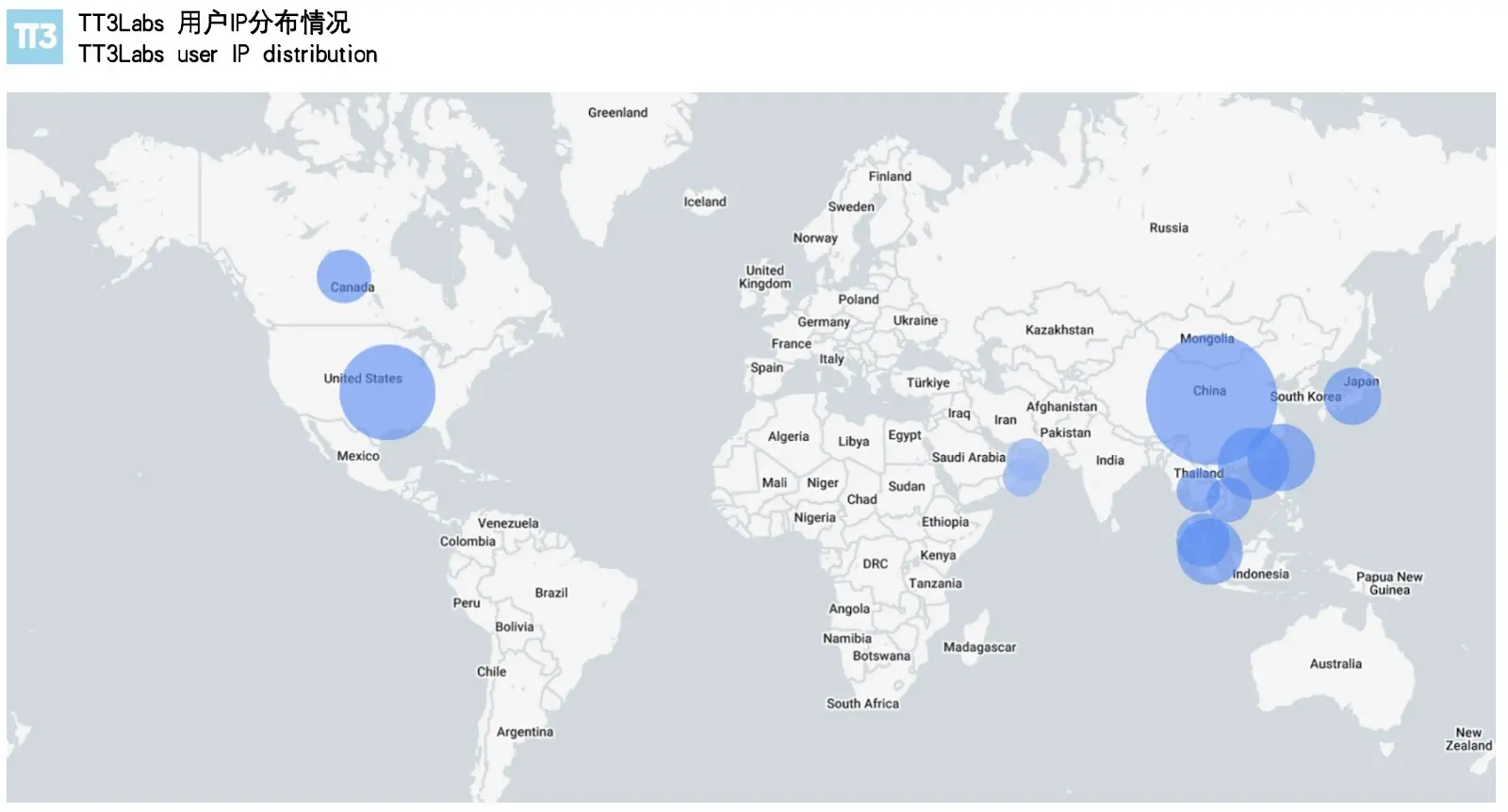
- Data source: TT3Labs, internal operational data as of February 1, 2026.
This situation is prompting a new wave of migration. TT3’s IP heatmap shows rising activity in Southeast Asia. On one hand, Southeast Asia already has a large multilingual talent pool, and many Chinese-speaking talents are engaging in geographic arbitrage—earning global-level salaries while living in low-cost regions with high quality of life.
Meanwhile, some operational roles targeting the Chinese-speaking market are shifting from Chinese employees in China to overseas Chinese in Malaysia, Thailand, or foreign nationals fluent in Chinese. These candidates, with language advantages and fewer compliance burdens, are becoming new favorites in the Web3 Chinese-speaking employment market.
Epilogue
The Web3 job market in Q1 2026 is experiencing a painful return to common sense. “Stories of overnight wealth” will always recur in KOLs’ X accounts and Instagram, but rumors of ordinary practitioners getting rich overnight are decreasing. As the industry’s employment environment becomes clearer and more transparent, opportunities for leapfrogging are diminishing.
As the phrase at the bottom of our website says: “Embark on your new remote career adventure,” each new day is a new exploration for us. The winter from late 2025 to early 2026 has been tough; the vision of welcoming spring has not been as beautiful as imagined. Some get off the train, others board; there’s no light in the candlestick chart illuminating your path—only your faith can be that light.


