Disclosure: This article contains affiliate links. If you click a link and make a purchase or sign up for a service, Bitcoin.com may receive a commission. Our editorial content is independent and based on objective analysis.
Looking for the best Bitcoin and crypto wallets in January 2026? We compare the top Bitcoin and crypto wallets for secure self-custody. These next-gen wallets eliminate single points of failure, offering smarter key recovery and institutional-grade security. Here’s how they stack up.
Why Bitcoin & Crypto Wallets Matter in January 2026
A new year brings new users, new risks, and new tools for self-custody. With prices trending up and global adoption growing, wallets are once again at the center of the crypto experience.
In 2026, wallets aren’t just about storage – they’re your gateway to Bitcoin, DeFi, NFTs, and everyday payments. And they’ve never been easier to use. Seed phrases are now optional. Recovery is smarter. And mobile-native apps make self-custody feel like second nature.
Why it matters:
- Losing your phone doesn’t mean losing your crypto
- Seed phrases are becoming a fallback, not a requirement
- Institutional-grade security is now built into everyday apps
From first-time Bitcoin buyers to advanced onchain users, today’s wallets are built for a broader audience – with better defaults, faster setup, and stronger protection.
What’s New in January 2026
The best Bitcoin and crypto wallets are kicking off 2026 by combining strong security with everyday simplicity. Here’s what’s shaping the self-custody space this month:
- Cloud and MPC Recovery Are Becoming the Standard
More wallets now offer seedless recovery by default. The Bitcoin.com Wallet supports encrypted cloud backups with built-in MPC protection. Phantom is testing session persistence, while Bitget continues to improve its hybrid recovery tools for mobile users.
- Embedded Wallets Go Mainstream
Wallet-as-a-Service (WaaS) tools from Coinbase and Binance are powering hundreds of apps and games. Users can now onboard with a few taps – no seed phrase or separate wallet app required.
- Institutional Security Reaches Everyone
Platforms like MetaMask Institutional and Ledger Vault offer MPC security, governance controls, and compliance features. These tools are now reaching retail wallets through SDKs and integrations.
- Open-Source Projects Build Trust
Trezor and Safeheron continue to lead with open-source wallets and verifiable audits – a growing priority as regulations tighten worldwide.
- Multichain and Privacy Tools Expand
Wallets like Bitcoin.com, Phantom, and Trust Wallet are adding support for more blockchains and privacy coins like Zano. That means more flexibility and better protection across networks.
Bottom line:
Self-custody in 2026 is safer, faster, and more flexible. Today’s best wallets offer smart recovery, multichain access, and clean mobile UX – all without compromising control.
Top 10 Bitcoin & Crypto Wallets of January 2026 (Quick Comparison)
|
|
|
|
|
| Wallet |
Users / Stats |
Supported Assets |
Key Features |
Best For |
| Bitcoin.com Wallet |
79M+ created / 5M MAUs |
BTC, BCH, ETH, ERC-20, ZANO |
MPC-based recovery, privacy features (Zano), swaps, Web3 access |
Beginners, privacy advocates |
| Trezor |
Millions sold globally (est.) |
1,800+ |
Cold storage, Shamir Backup, MEV protection ( ETH, BNB, Base), open-source |
Long-term holders, transparency-first |
| Ledger Vault |
Institutional partners worldwide |
5,500+ |
Institutional MPC custody, hardware-based signing, multi-user access |
Enterprises, fund managers |
| MetaMask |
100M+ users / 30M+ MAUs |
ETH, EVM tokens, SOL (native), mUSD |
DeFi DApps, Aave yield, SOL support, mUSD stablecoin, MPC via MMI integrations |
DeFi users, stablecoin earners, institutions |
| Coinbase Wallet |
8M+ transacting users (wallet-specific) |
Major tokens across chains |
WaaS with MPC, seedless SDKs, CEX- DeFi bridge, embedded recovery tools |
Coinbase ecosystem users, developers |
| Binance Web3 Wallet |
Built into Binance app (100M+ users) |
Ethereum, BNB, Polygon, more |
Keyless MPC, gasless UX, deep CEX integration, seamless recovery |
Mobile-first DeFi users, CEX migrators |
| Uphold |
10M+ users globally |
Crypto, metals, fiat |
MPC custody via Ledger Vault, staking, crypto-metal conversions |
Passive investors, diversification seekers |
| Bitget Wallet |
80M+ users |
BTC, ETH, USDT, 130+ blockchains |
Keyless MPC, 2/3 TSS, real-time yield (Aave), Mastercard crypto card |
Web3 access, payments, passive income |
| Byte Federal |
N/A (ATM-linked wallet) |
BTC, ETH, stablecoins |
Bitcoin ATM integration, 2FA, seedless roadmap, encrypted cloud storage |
Real-world crypto access, ATM users |
| Phantom |
15M+ users / $150M raised |
Solana, ETH, Polygon, SPL tokens |
Smart recovery, NFT support, Solsniper tools, MPC development roadmap |
NFT collectors, multichain users |
Bitcoin & Crypto Wallet Spotlights (Key Highlights)
1. Bitcoin.com Wallet
Best Bitcoin & Crypto Wallet for Privacy and Seedless Recovery (January 2026) (Editor’s Pick ✅)
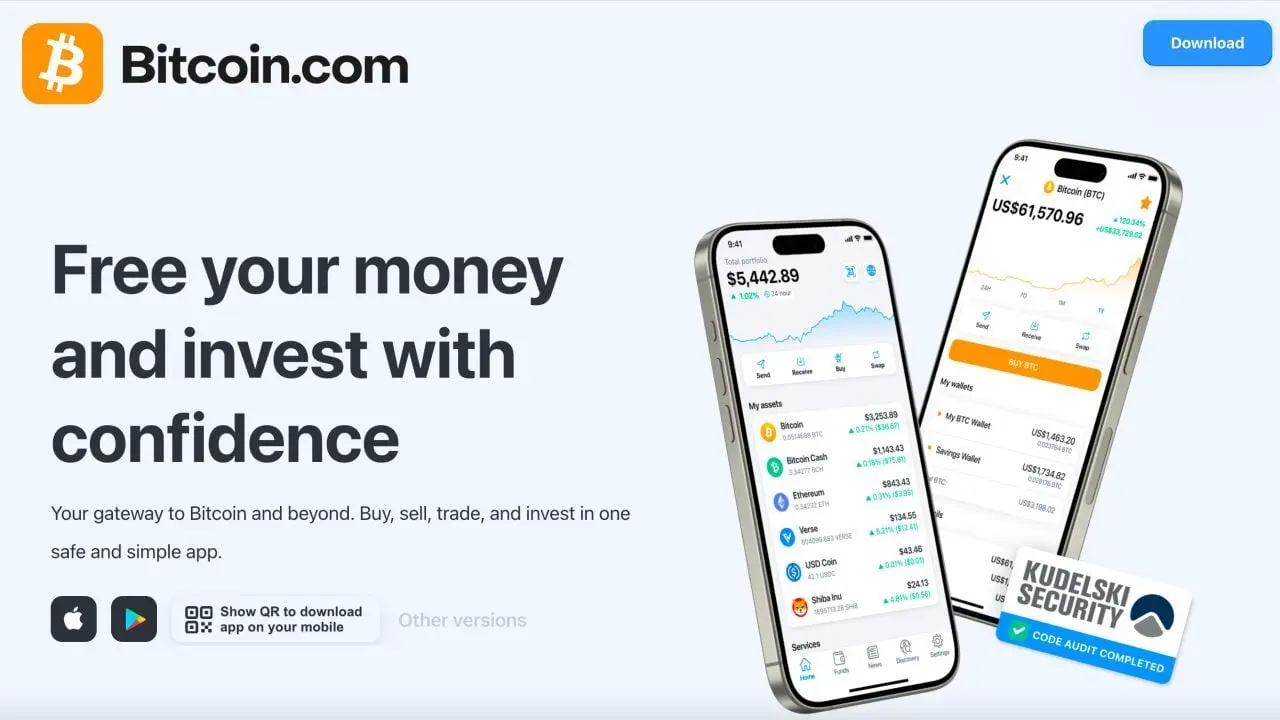
The Bitcoin.com Wallet remains a top choice for secure, private, and beginner-friendly Bitcoin self-custody. With over 79 million wallets created and 5 million monthly active users, it now offers cloud-based recovery using MPC technology, removing the need for a traditional seed phrase.
Users can store Bitcoin ( BTC), Ethereum ( ETH), ERC-20 tokens, and privacy-focused coins like Zano – all within a clean, mobile-first experience. Whether you’re sending crypto, swapping assets, or exploring Web3, the wallet keeps your funds secure and accessible across devices.
It’s crypto on your terms: no custodians, no complex setups, and no seed phrase stress. Just full control, strong privacy, and smooth UX – making it an ideal wallet for both new users and privacy advocates.
Free to use. Trusted by millions. Download Bitcoin.com Wallet
2. Trezor
Best Open-Source Hardware Wallet for Long-Term Bitcoin Security (January 2026)
Trezor continues to define the standard for cold storage. As the original hardware wallet, it’s known for its open-source firmware, offline key security, and a track record of prioritizing user sovereignty without compromise.
In 2025, Trezor expanded its protection suite with MEV (Maximal Extractable Value) shielding in its Trezor Suite desktop app. Partnering with Merkle.io, Trezor now routes Ethereum, BNB Chain, and Base transactions through private channels – helping users avoid front-running, sandwich attacks, and failed swaps. The feature works automatically and enhances reliability for anyone interacting with DeFi or performing token transfers.
For added resilience, the Model T also supports Shamir Backup, letting users split their seed into multiple shares for robust recovery options. With its continued focus on practical, open-source security improvements, Trezor remains a top choice for long-term Bitcoin holders and self-custody advocates.

3. Ledger Vault
Best Institutional-Grade Cold Storage With MPC Security (January 2026)
Ledger Vault continues to set the bar for institutional self-custody, combining Multi-Party Computation (MPC) with Ledger’s hardware-backed infrastructure. It’s purpose-built for hedge funds, exchanges, and asset managers who need secure, multi-user control over high-value digital assets.
In 2026, Ledger Vault offers advanced features like customizable signing policies, role-based access, and tamper-resistant key shards – all managed without exposing private keys or relying on seed phrases. The platform delivers compliance-ready protection while keeping teams in full control of operations.
As regulatory clarity and institutional adoption accelerate in Q4, Vault remains a top-tier solution for organizations demanding both security and flexibility in managing crypto at scale.

4. MetaMask
Top Web3 Wallet for Stablecoins, DeFi & Multichain Access (January 2026)
MetaMask rapidly expanded beyond Ethereum in 2025, evolving into a true multichain Web3 wallet with seamless fiat and stablecoin onboarding. Its recent integration with Transak makes it easier than ever for U.S. and EU users to buy stablecoins like USDC, USDT, and MetaMask USD (mUSD) directly within the wallet at near 1:1 rates – no redirects, no extra steps.
The new native stablecoin mUSD, issued by Stripe’s Bridge and running on M0 infrastructure, is set to become the wallet’s default dollar asset – designed for onchain payments, swaps, and real-world spending through the MetaMask Card.
MetaMask also launched a “Stablecoin Earn” feature powered by Aave. This lets users generate yield on their balances without leaving the app.
On the institutional side, MetaMask Institutional (MMI) continues to offer MPC-powered custody integrations with Fireblocks, Qredo, and Cobo. It’s ideal for funds and teams managing DeFi assets at scale.
Whether you’re deploying in DeFi, minting NFTs, or moving money with stablecoins, MetaMask now offers one of the most comprehensive Web3 wallet experiences available – fully self-custodial, globally accessible, and ready for real-world use.
5. Coinbase Wallet
Best CeFi-to- DeFi Bridge for Secure, Seedless Self-Custody (January 2026)
Coinbase Wallet continues to blur the line between centralized ease and decentralized control. In 2026, its Wallet-as-a-Service (WaaS) platform is powering a new wave of embedded MPC wallets, allowing developers to integrate seedless, self-custodial experiences directly into apps and games – no extensions or downloads needed.
For everyday users, Coinbase Wallet still functions as a stand-alone app, but MPC-based recovery features and account abstraction tools are beginning to surface. These improvements remove the pain of seed phrases while maintaining user control over private keys.
Backed by Coinbase’s infrastructure and regulatory footprint, the wallet now supports seamless swaps, NFT storage, multichain support (including Ethereum, Base, and L2s), and integration with Coinbase Pay for easy fiat onramps.
As more dApps and fintechs adopt Coinbase’s WaaS SDK, the retail wallet is evolving into a more powerful DeFi gateway, combining institutional-grade cryptography with user-friendly UX. It’s one of the strongest options for anyone bridging from Coinbase’s exchange into self-custody and the broader Web3 ecosystem.
6. Binance Web3 Wallet
Best Multichain MPC Wallet for Seamless CEX– DeFi Integration (January 2026)
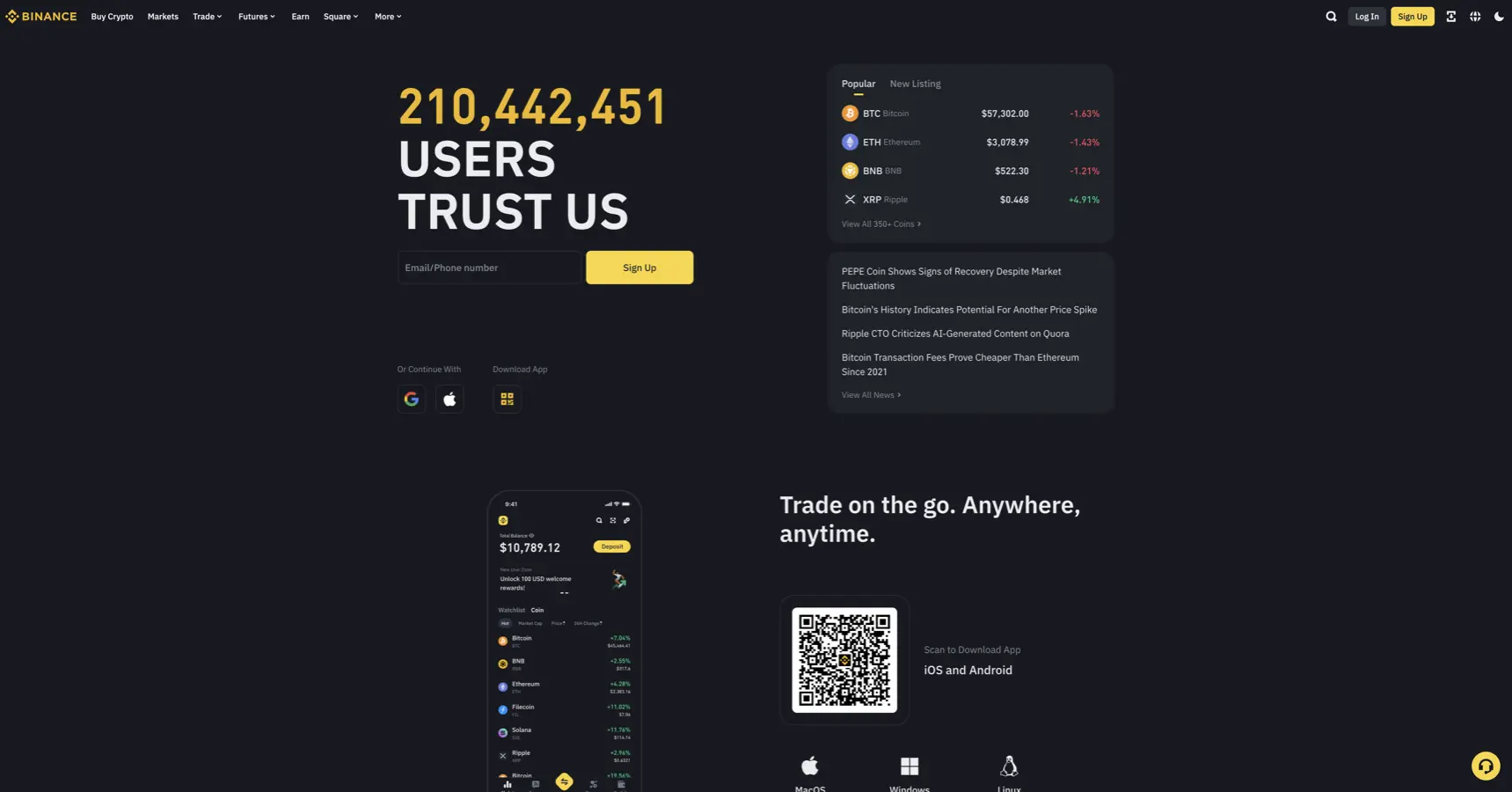
Binance’s Web3 Wallet is now one of the top self-custody options for users entering DeFi. Built into the Binance app, it uses MPC to remove the need for seed phrases. That means users get secure access to DeFi protocols, NFTs, and DApps – without sacrificing protection.
Since launching in late 2023, the wallet has added support for gasless transactions, biometric recovery, and multichain access. Supported networks include Ethereum, BNB Chain, Arbitrum, Optimism, Polygon, Base, and more. You can swap, bridge, and explore Web3—all without leaving Binance.
In 2026, Binance is doubling down on embedded wallet tools. Social logins, cloud recovery, and DeFi onboarding are front and center. The goal: make self-custody seamless for every mobile user.
Whether you’re farming yield, collecting NFTs, or just getting started, Binance Web3 Wallet delivers MPC-level security with a clean, mobile-native interface. It’s easy to use and backed by deep liquidity.

7. Uphold
Best Custodial Wallet for Crypto, Metals & Yield (January 2026)
Uphold remains a popular choice for users seeking simple access to crypto, metals, and yield in one place. While it’s a custodial wallet – meaning you don’t hold the keys – it leverages MPC security through Ledger Vault, protecting assets with institutional-grade safeguards.
In 2026, Uphold continues to expand its staking support, improve fiat on-ramps, and streamline crypto-to-precious metals conversions. For users who prioritize ease, diversification, and trusted custody, it’s a compelling all-in-one platform backed by robust cryptographic security.
8. Bitget Wallet
Best Keyless MPC Wallet for Secure Web3 Access (January 2026)
Bitget Wallet continues to lead in seedless self-custody with its fully keyless MPC wallet, powered by a 2-of-3 Threshold Signature Scheme (TSS). This structure splits key shares between the user’s device, Bitget’s servers, and a secure cloud backup like iCloud or Google Drive – ensuring no single point of failure and smooth recovery if a device is lost.
In 2026, Bitget Wallet has evolved into a full financial interface. Key upgrades include:
- Crypto payments with a new Mastercard-linked card that lets users spend directly from their self-custodied wallet at 150M+ merchants worldwide.
- Real-world asset trading, with support for over 100 tokenized stocks and ETFs via Ondo Finance.
- High-yield stablecoin savings, thanks to a new 10% APY product built with Aave.
- Scan-to-pay and in-app shopping for gift cards, mobile credits, and more using crypto.
With over 80 million users, Bitget Wallet combines enterprise-grade security with real-world usability – bringing Web3, payments, and passive income together in one keyless, mobile-first experience.
9. Byte Federal
Best Wallet for ATM Integration and Everyday Crypto Access (January 2026)
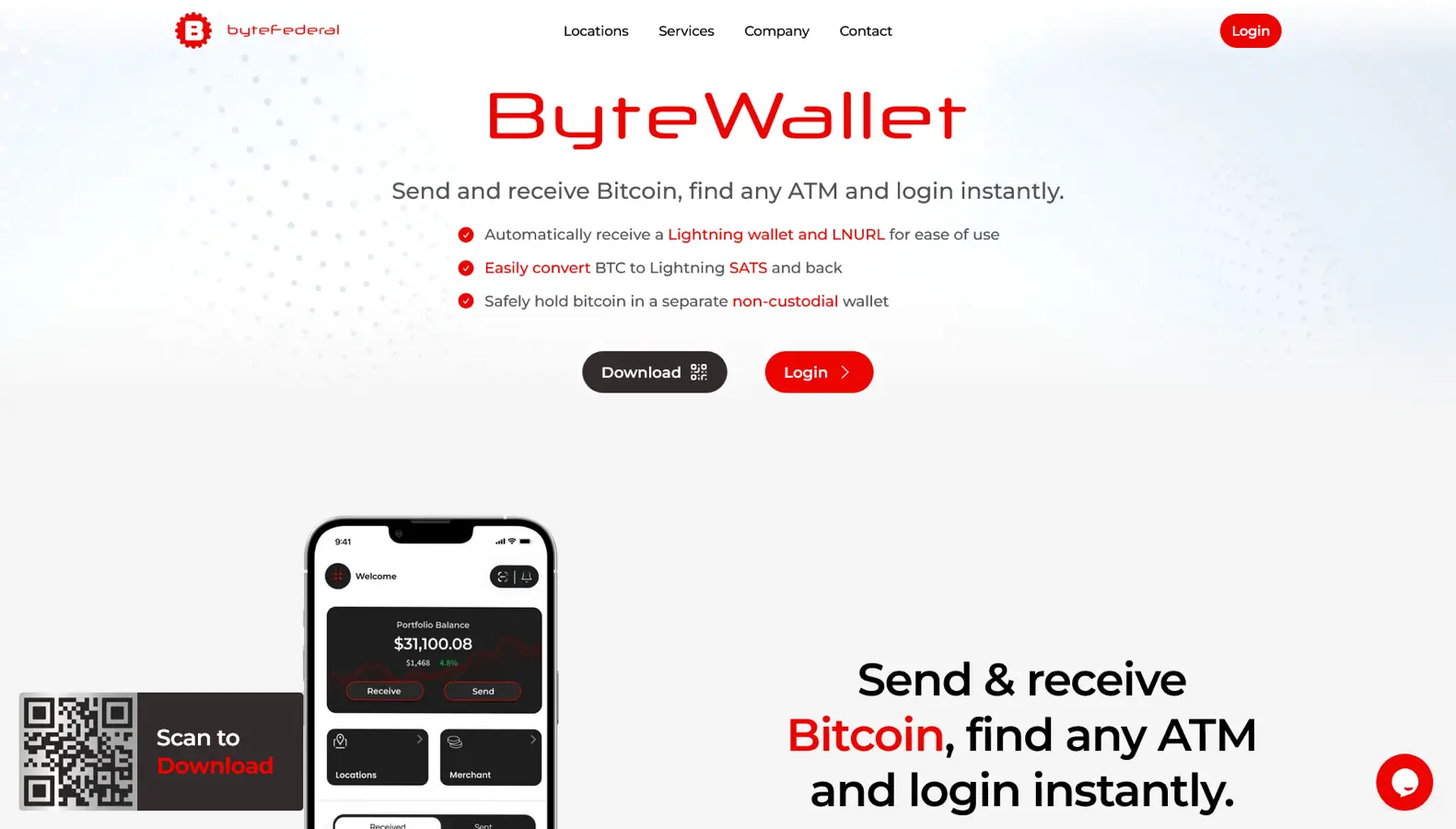
Byte Federal Wallet connects directly to the company’s nationwide Bitcoin ATM network, offering instant fiat on/off-ramping at thousands of locations. While not yet MPC-native, Byte Federal is actively testing MPC-based recovery tools to simplify key management and enhance mobile security.
For now, the wallet emphasizes real-world usability with features like 2FA, PIN protection, encrypted key storage, and bank-grade fiat access. It’s an ideal choice for U.S. users who want a simple, secure way to interact with Bitcoin in both digital and physical settings.
10. Phantom
Best Multichain Crypto Wallet for Bitcoin, Solana, Ethereum & NFTs (January 2026)
Phantom continues to evolve into a full-stack crypto platform, with recent acquisitions like Solsniper signaling a push toward advanced trading and analytics. While seed phrases are still used in 2026, Phantom is actively building out MPC-based recovery, session persistence, and smart backup options for a seedless future.
Supporting Bitcoin, Solana, Ethereum, and Polygon, Phantom offers smooth multichain support with native NFT and DeFi integration. Backed by $150M in funding and a growing suite of power tools, it’s one of the most user-friendly wallets for everyday users and pro traders alike.
What to Expect in January 2026 and Beyond
Crypto wallets are entering 2026 with more momentum than ever. From smart recovery to real-world usability, here’s what to expect as wallets evolve to meet the needs of a global, mobile-first user base:
- Bitcoin.com Wallet: Zano integration continues to deepen for private payments. A streamlined smart recovery flow and improved multi-chain asset support are live – all backed by MPC and modern cryptography.
- Binance Web3 Wallet: Biometric recovery and better gasless support are rolling out. Binance is doubling down on seedless, embedded wallet flows for frictionless DeFi onboarding.
- MetaMask (Retail & Institutional): Retail users now have access to mUSD and seamless fiat ramps via Transak. MetaMask Institutional is expanding its MPC custodian integrations and adding Aave for in-app DeFi yield.
- Phantom: Advanced NFT analytics are in development post-acquisition of Solsniper and Simplehash. Full MPC-based recovery for mobile is entering testing.
- Coinbase Wallet / WaaS: Coinbase is scaling its WaaS infrastructure across apps. New features use account abstraction and MPC for seamless, secure recovery behind the scenes.
- Trezor: MEV protection is live for Ethereum, BNB, and Base. Usability updates to Shamir Backup and broader network support are expected early this year.
- Ledger Vault: Institutional clients can now implement updated signing policies and granular role-based access – ideal for teams managing assets at scale.
- Bitget Wallet: Fresh off its Mastercard launch, Bitget is expanding fiat coverage and rolling out “ Stablecoin Earn Plus,” offering 10%+ APY via Aave.
- Uphold: Crypto-to-metal conversions are getting smoother, and staking infrastructure continues to improve through its partnership with Ledger Vault.
- Byte Federal Wallet: Byte Federal is upgrading fiat onramps, expanding ATM locations, and building out MPC-based recovery features for launch later in 2026.
As 2026 begins, wallet innovation is focused on trust, simplicity, and self-sovereignty. Expect faster onboarding, stronger recovery, and more real-world functionality across every wallet category.
Final Thoughts (January 2026)
As 2026 begins, crypto wallets have fully evolved beyond simple storage. They’re now powerful gateways to decentralized finance, digital identity, and real-world payments.
The best wallets offer seedless recovery, MPC-powered security, and seamless access to Web3 – all inside clean, mobile-native apps. From first-time users to seasoned pros, self-custody has never been more intuitive or more essential.
If privacy, recovery, and control matter to you, the Bitcoin.com Wallet remains a leading choice. But with wallets now becoming full-featured financial hubs, it’s clear: the future of crypto self-custody is already here – and it’s built for everyone.
FAQ: Bitcoin & Crypto Wallets in 2026
Are MPC wallets safer for storing Bitcoin and crypto?
Yes. MPC (Multi-Party Computation) wallets are generally safer than traditional wallets that rely on a single seed phrase. By splitting key control across multiple devices or parties, they reduce the risk of theft, loss, and phishing – while also making recovery easier.
Do Bitcoin and crypto wallets still use seed phrases in 2026?
Less and less. Many modern wallets – including those from Binance, Bitget, and Bitcoin.com – now support seedless recovery via MPC, cloud backup, biometrics, or trusted devices. Seed phrases still exist in open-source and hardware wallets like Trezor, but the industry is moving toward safer, more user-friendly methods.
What’s the best Bitcoin & crypto wallet for beginners in 2026?
The Bitcoin.com Wallet is a top choice. It’s easy to use, supports true self-custody, and offers features like MPC recovery, encrypted cloud backup, and support for privacy tokens like Zano. It’s built for newcomers – without compromising on security.
Can I use an MPC wallet for Bitcoin only?
Absolutely. While many MPC wallets are multichain, you can use them strictly for Bitcoin. The Bitcoin.com Wallet, Bitget Wallet, and institutional platforms like Ledger Vault all support Bitcoin-only use with MPC-backed protection.
Do institutions use MPC wallets to hold Bitcoin?
Yes. Institutional tools like Ledger Vault, MetaMask Institutional (MMI), and Fireblocks rely on MPC to protect large Bitcoin holdings. They offer advanced security features like multi-user access, role-based controls, and hardware-level protection – all without exposing a seed phrase.
What if I lose access to my crypto wallet?
With modern wallets, losing access doesn’t mean losing your crypto. Many now offer secure recovery using cloud backups, MPC shares, or ID verification. You can restore access from a trusted device or recovery method – no seed phrase required.
Related Reading
- Discover the Best Bitcoin and Cryptocurrency Wallets
- What is an MPC Wallet?
- What is a Bitcoin Wallet?
- What’s a Self-Custodial Wallet?
- How to Choose the Best Bitcoin Wallet
- How to Backup and Restore a Crypto Wallet
- Op-ed: The Eroding State of Privacy in the Crypto World
Stay Ahead of the Game
Subscribe to our free crypto betting newsletter to receive:
- Access to our updated bonus list
- Weekly picks, promos, and expert insights
- Crypto Casino Radar – Track top promos and hidden gems
- iGaming Alpha – Insider deals and exclusive updates
Sign up now to get smarter about where – and how – you bet with crypto.
Business & Partnership Enquiries
For business or partnership inquiries, contact us at affiliates@bitcoin.com. Our team is ready to assist.


