The article notes that while the Ethereum ETF initially received a tepid market response at launch, the recent surge in capital inflows signals a marked rise in institutional investors’ confidence in Ethereum.
2026-03-24 11:57:39
Over 520,000 ETH are now queued for withdrawal on the Ethereum network. This has prompted market concerns about possible selling pressure. This article offers a thorough analysis of the motivations behind these withdrawals, including profit-taking, institutional portfolio adjustments, and LST arbitrage opportunities. The evidence indicates that this movement may reflect a restructuring of the ecosystem and growing institutional participation. Rather than a simple sell-off.
2026-03-24 11:57:39
The article highlights Ethereum's potential as the foundational infrastructure for the global digital economy, emphasizing its strengths in security, network effects, adaptability, and decentralization.
2026-03-24 11:57:38
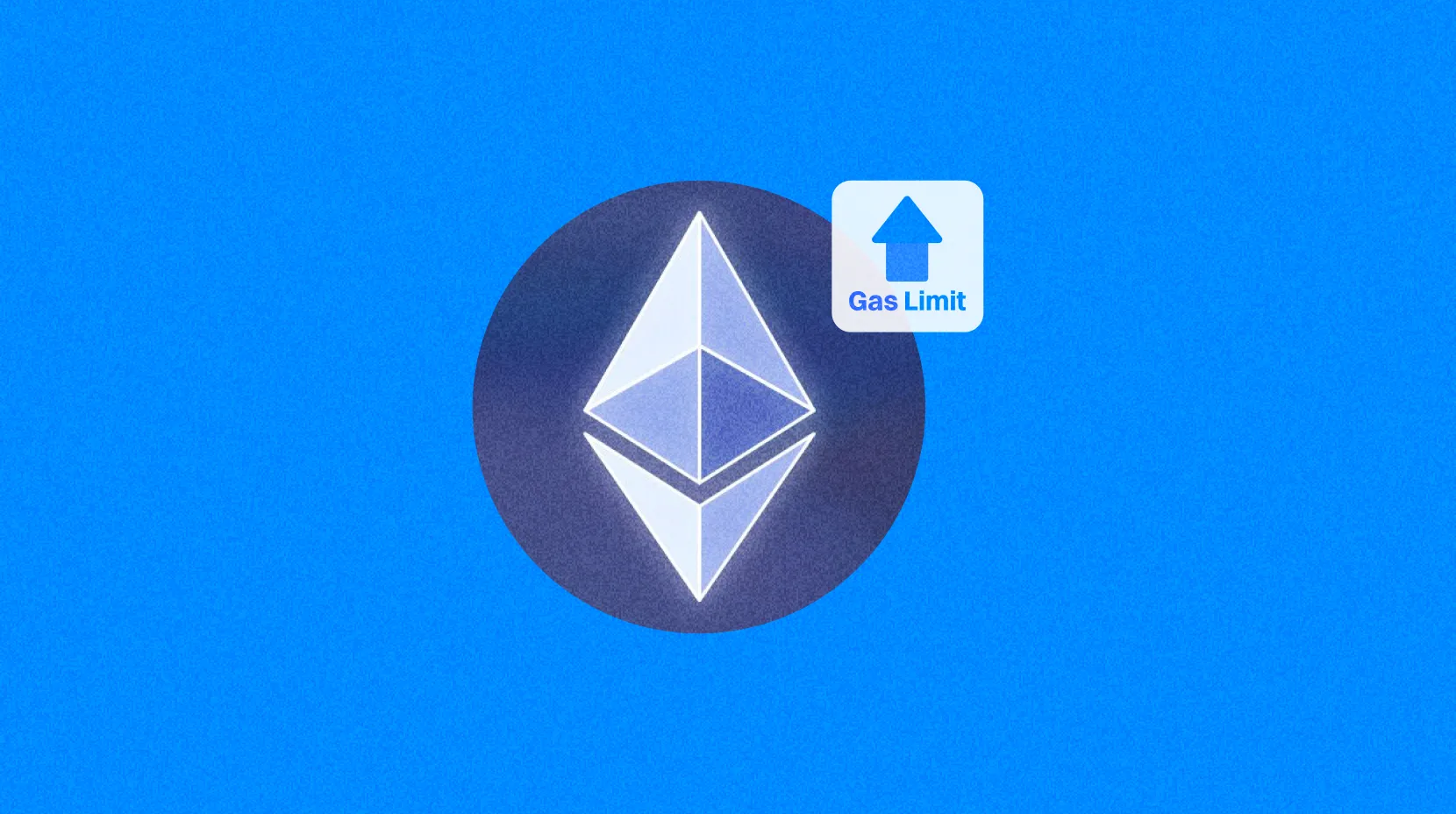
The article explains in detail the meaning of Gas Limit and its impact on network performance, and analyzes the effect of increasing Gas Limit on validator income.
2026-03-24 11:57:24
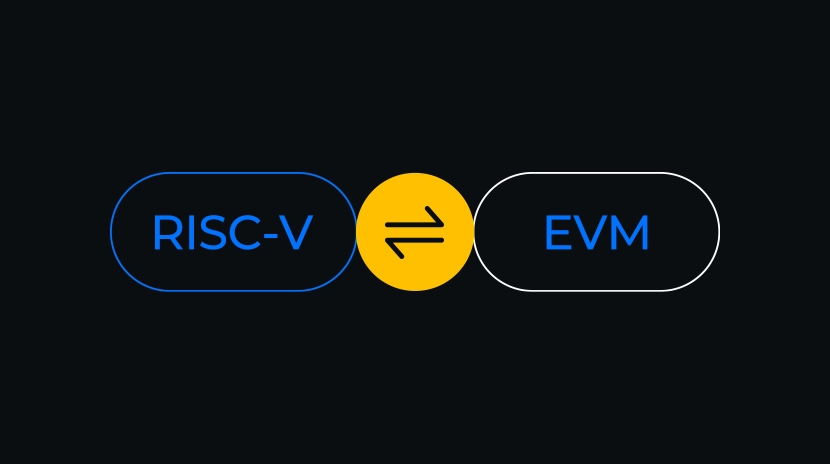
RISC-V is a modern "universal language" already adopted by many devices, with mature tools and technologies. If Ethereum could write smart contracts directly in RISC-V, it would eliminate the need for translation back and forth, significantly improving efficiency.
2026-03-24 11:57:12
Explore how Privacy Pools introduces a new paradigm for blockchain privacy through its innovative ASP (Association Set Providers) mechanism and zero-knowledge proofs. This article examines the theoretical foundation by Vitalik Buterin’s team, the technical implementation by 0xbow, and how its three-layer architecture balances user privacy with regulatory needs. It also analyzes the protocol’s impact on DeFi, compares it with other privacy solutions, and explores future opportunities and challenges.
2026-03-24 11:57:10
This post proposes a radical idea for the future of the Ethereum execution layer, one that is equally as ambitious as the beam chain effort is for the consensus layer.
2026-03-24 11:57:09
The CryptoEconomic Decentralized Verifier Network (DVN) Framework, co-developed by LayerZero Labs and Eigen Labs, is a cross-chain security mechanism that economically incentivizes decentralized verification.
2026-03-24 11:57:09
Gate Research's newly released report, "Q1 2025 Ethereum Network Review," offering a comprehensive analysis of Ethereum's market performance, holder distribution, network activity, on-chain applications, and future outlook for the first quarter of 2025. The report delivers in-depth insights into the overall state of the Ethereum network and its key emerging trends.
2026-03-24 11:57:08
This article analyzes Bitcoin and Ethereum from the perspective of social scalability. It argues that while many crypto projects chase high TPS and technical scalability, social scalability is the real cornerstone of success in crypto.
2026-03-24 11:57:07
This article provides an in-depth analysis of the limitations of common ETH narratives, including its positioning as leveraged beta to Bitcoin, ultrasound money, digital oil, the global settlement layer, and the chain with the most economic activity.
2026-03-24 11:57:07
Learn more about Space and Time and its unique multi-layer architecture.
2026-03-24 11:57:06
XUSD is a fully-backed, USD-pegged stablecoin issued by StraitsX, a payment infrastructure company for digital assets based in Southeast Asia and regulated by the Monetary Authority of Singapore (MAS)
2026-03-24 11:57:04
AminoChain is a blockchain-based platform designed to improve biobanking by connecting medical institutions and researchers in a decentralized network. It facilitates secure and transparent sharing of biospecimens while enabling patients to retain control over their samples. The platform enhances the efficiency of medical research through streamlined collaboration and access to data.
2026-03-24 11:57:04
Since Ethereum transitioned from PoW to PoS, it introduced a burn mechanism through EIP-1559 to achieve deflationary goals. However, by 2025, its supply is still increasing, with an annual growth rate of 0.805%. Despite a significant amount of ETH being burned, the issuance still exceeds the amount burned. Influencing factors include network activity, transaction fees, technical upgrades, and market competition. The challenges Ethereum faces include the conflict between technical ideals and business realities, the decreasing appeal of the staking mechanism, and pressure from the regulatory environment. Future development will need to balance efficiency, fairness, and regulation.
2026-03-24 11:57:03