


Futures
Access hundreds of perpetual contracts
TradFi
Gold
One platform for global traditional assets
Options
Hot
Trade European-style vanilla options
Unified Account
Maximize your capital efficiency
Demo Trading
Introduction to Futures Trading
Learn the basics of futures trading
Futures Events
Join events to earn rewards
Demo Trading
Use virtual funds to practice risk-free trading
Launch
CandyDrop
Collect candies to earn airdrops
Launchpool
Quick staking, earn potential new tokens
HODLer Airdrop
Hold GT and get massive airdrops for free
Launchpad
Be early to the next big token project
Alpha Points
Trade on-chain assets and earn airdrops
Futures Points
Earn futures points and claim airdrop rewards


More





#AAVETokenSwapControversy
#AAVETokenSwapControversy
🎯 Discussing the biggest governance, liquidity, and DeFi swap issues around AAVE — from token price dynamics to major swap execution lessons.
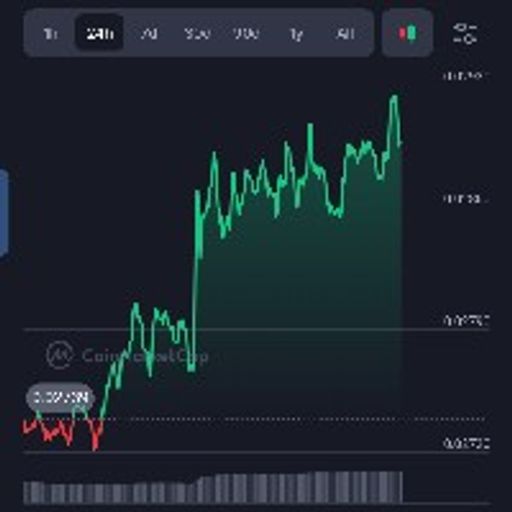
📍 Current AAVE Price: AAVE is trading around $107–$110 USD per token in real‑time markets. This level reflects ongoing community sentiment and liquidity pressures amid the swap discussions.
Cm
💬 Discussion
1️⃣ Major Swap Incident: What Really Happened?
Recently, a trader attempted an exceptionally large AAVE swap — about $50 million USDT for AAVE — and received roughly 327 AAVE ($36K) due to slippage.
The trader set slippage tolerance extremely high (near 99 %), essentially telling the system to execute the trade regardless of how bad the price became.
Low liquidity and MEV bots in the Aave swap pools meant bots saw the transaction before confirmation, front‑ran and worsened price impact.
Result: nearly complete loss of capital on that swap and only a partial refund of fees (~$600K) offered by the protocol team.
Reddit
👉 Lesson: Setting slippage very high exposes you to execution risk, especially on large trades in DeFi environments where liquidity is shallow and bots operate freely.
2️⃣ Governance & Protocol Design: What’s Behind the Controversy?
The swap fiasco didn’t happen in isolation — it’s part of broader tensions around DeFi governance and Aave’s protocol decisions. Key issues include:
a. Fee and Revenue Routing:
Governance discussions around how revenue from swaps and protocol fees flows — to the DAO treasury vs external entities — have been a major source of debate, with some community members arguing that fee allocation should better benefit token holders directly.
b. Liquidity Conditions:
Large swap execution failures highlight liquidity fragmentation and limitations across Aave’s pools. When liquidity is thin relative to trade size, slippage becomes extreme, and prices can move wildly against large traders.
c. Decentralized Governance Challenges:
This controversy shows that truly decentralized control is still an evolving design: while token holders can vote on proposals, real‑time execution and interface design decisions often depend on developer teams and UI implementations.
Together, these show how governance, protocol mechanics, and user experience all interact in real use cases — and how Discord and forum debates can quickly turn into real‑world market impact.
3️⃣ AAVE Token Price: Market Response & Sentiment
The AAVE token price has traded roughly in the $107–$110 range recently, reflecting mixed sentiment and cautious positioning.
Key factors influencing price:
Swap execution risk headlines have weighed on confidence.
Liquidity concerns in DeFi markets generally create pressure on mid‑cap tokens.
Broader DeFi governance and revenue distribution debates contribute to investor uncertainty.
Despite these pressures, AAVE’s fundamental role as a leading DeFi lending token — with active borrowing/lending and governance value — continues to keep it significant in crypto portfolios.
4️⃣ What This Means for Traders & Users
📌 Risk Awareness: Large swaps without appropriate slippage limits can result in massive losses, especially in decentralized environments with MEV and fragmented liquidity.
📌 Governance Matters: Protocol decisions — from fee routing to UI safeguards — are not just theoretical debates. They translate directly into market confidence, price action, and user experience.
📌 Liquidity Considerations: Before executing large orders, always assess liquidity depth, pool size, and potential price impact. This is especially important for DeFi tokens outside of high‑liquidity blue chips.
📌 Education & Tools: Use simulation tools, look at slippage warnings closely, and understand pool mechanics before executing sizable swaps.
5️⃣ Broader DeFi Implications
The #AAVETokenSwapControversy isn’t just about AAVE — it highlights bigger themes in decentralized finance:
The tension between on‑chain governance and practical execution.
How protocol design and UI safeguards can prevent costly mistakes.
The ongoing struggle to balance user freedom vs. user protection in open markets.
The necessity for deeper liquidity strategies and improved decentralized market mechanisms to support large trades.
These lessons are key not only for Aave, but for many protocols as DeFi continues to mature.