
Futures
Access hundreds of perpetual contracts
TradFi
Gold
One platform for global traditional assets
Options
Hot
Trade European-style vanilla options
Unified Account
Maximize your capital efficiency
Demo Trading
Introduction to Futures Trading
Learn the basics of futures trading
Futures Events
Join events to earn rewards
Demo Trading
Use virtual funds to practice risk-free trading
Launch
CandyDrop
Collect candies to earn airdrops
Launchpool
Quick staking, earn potential new tokens
HODLer Airdrop
Hold GT and get massive airdrops for free
Launchpad
Be early to the next big token project
Alpha Points
Trade on-chain assets and earn airdrops
Futures Points
Earn futures points and claim airdrop rewards


More





Opinion: Multiple Realistic Obstacles to a Temporary Ceasefire Between the U.S. and Iran
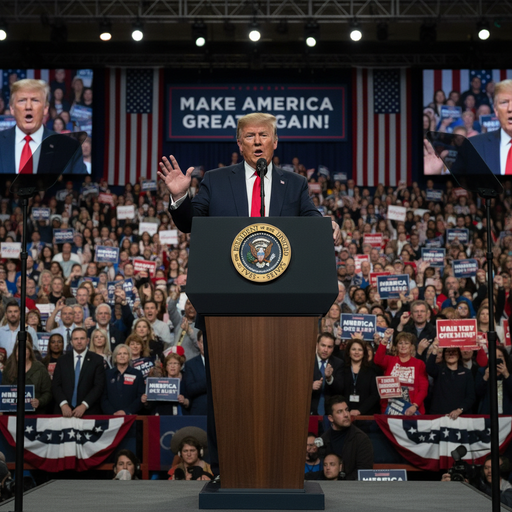
On April 6, Li Zixin, an assistant researcher at the China Institute of International Studies, stated that while the possibility of the U.S. and Iran reaching a temporary ceasefire is not nonexistent, it is indeed fraught with difficulties. Even if a ceasefire is achieved, it is more likely to be a stopgap measure rather than a reliable path toward a permanent ceasefire. Firstly, the core demands of both sides are fundamentally irreconcilable. Iran views control over the Strait of Hormuz and its stockpile of 60% enriched uranium as key strategic bargaining chips in negotiations and has made it clear that it will not abandon these fundamental interests for a short-term ceasefire. On the other hand, the U.S. demands that Iran reopen the strait and address nuclear materials, essentially asking Iran to make unilateral concessions and temporarily suspend its core interests in exchange for these demands, which touches upon Iran’s sovereignty and security bottom line. Secondly, the trust foundation for negotiations is extremely weak. Although Iran acknowledges that it has exchanged relevant information with the U.S. through friendly countries, it denies engaging in direct negotiations. Meanwhile, U.S. President Trump sends mixed signals by indicating a willingness to negotiate while simultaneously issuing military strike ‘ultimatums.’ This approach of negotiating while applying pressure is more akin to a strategy of maximum pressure and testing the other side’s willingness to compromise, rather than genuinely seeking reconciliation.