

 :
:




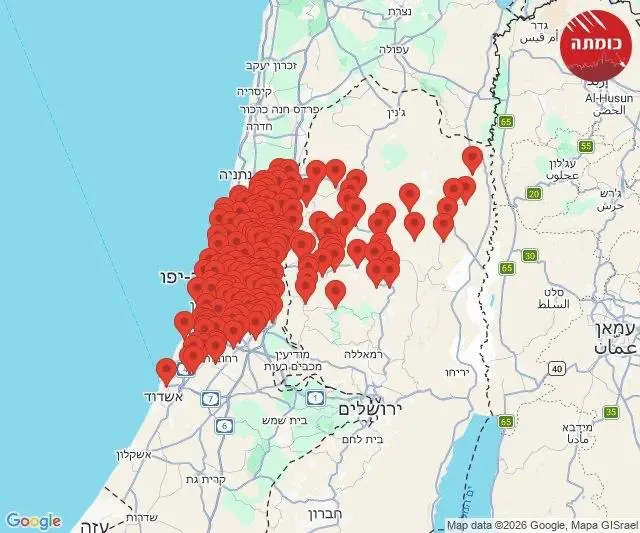

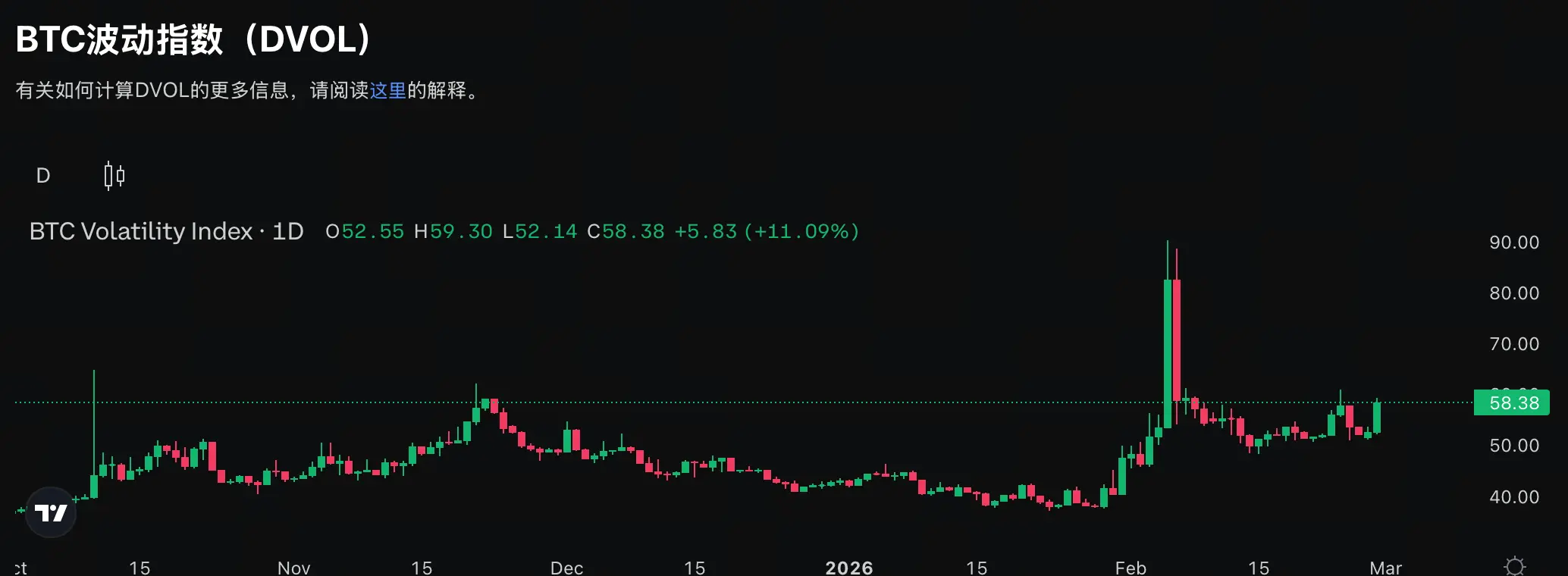


#以色列突袭伊朗BTC短线跳水 When the missile tore through the night sky over Tehran on the afternoon of February 28th, the global financial markets also ignited. The $446 million liquidation order is not just a cold number; it is a bloody footnote in the geopolitical game, illustrating how ordinary investors are squeezed out by liquidity under global power struggles.
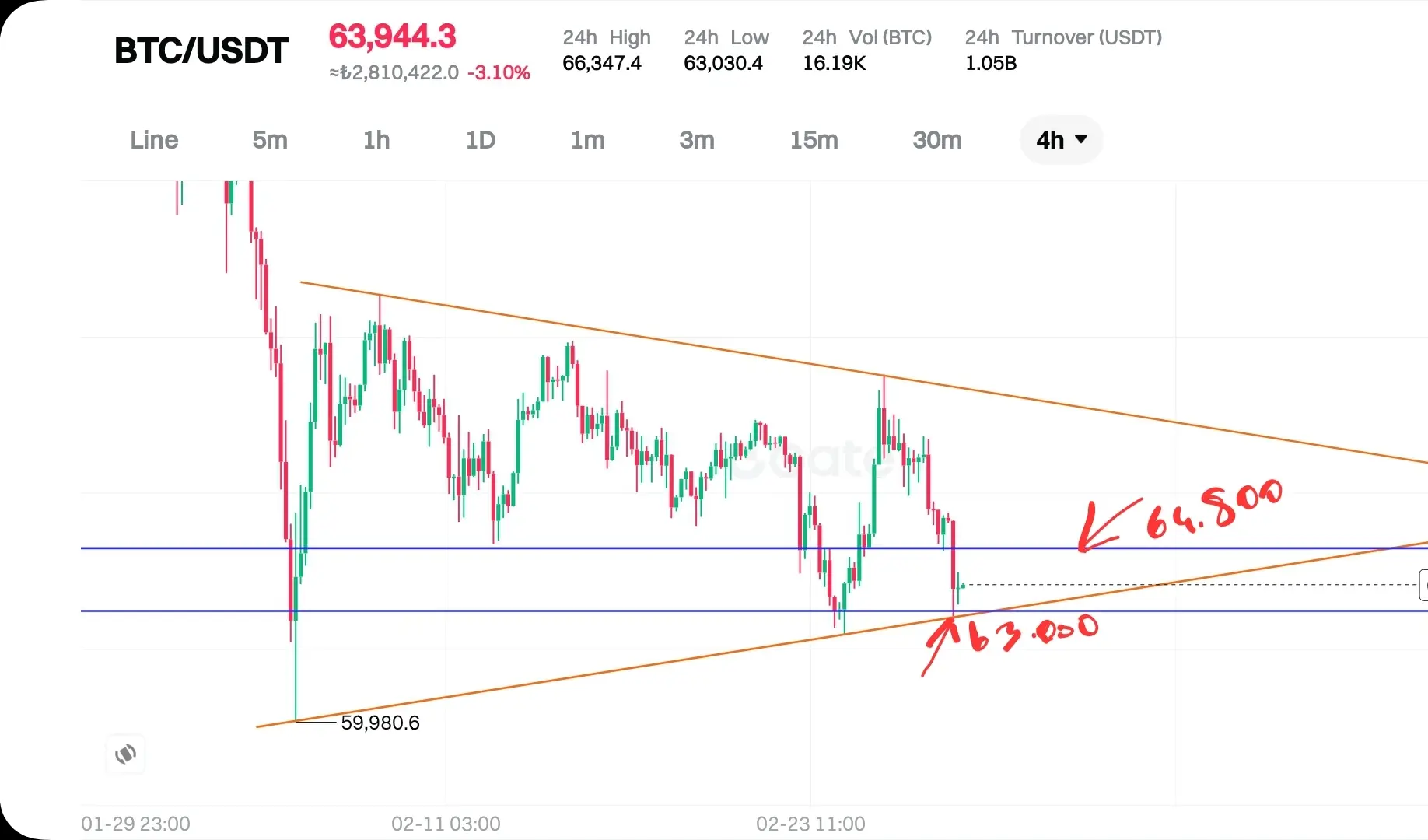
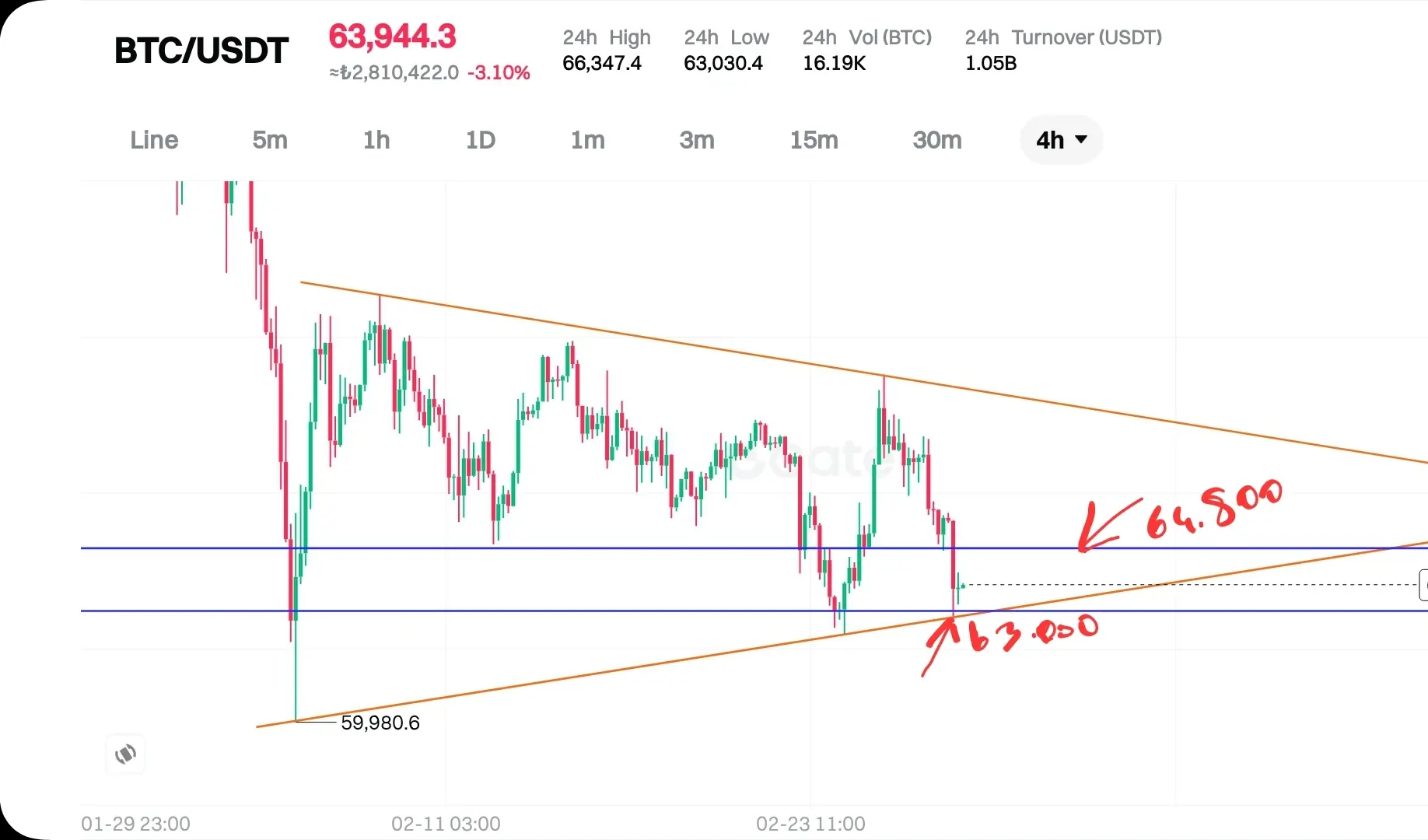
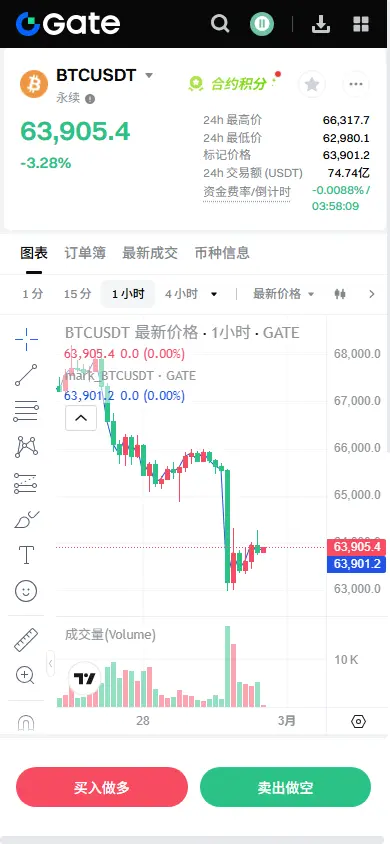
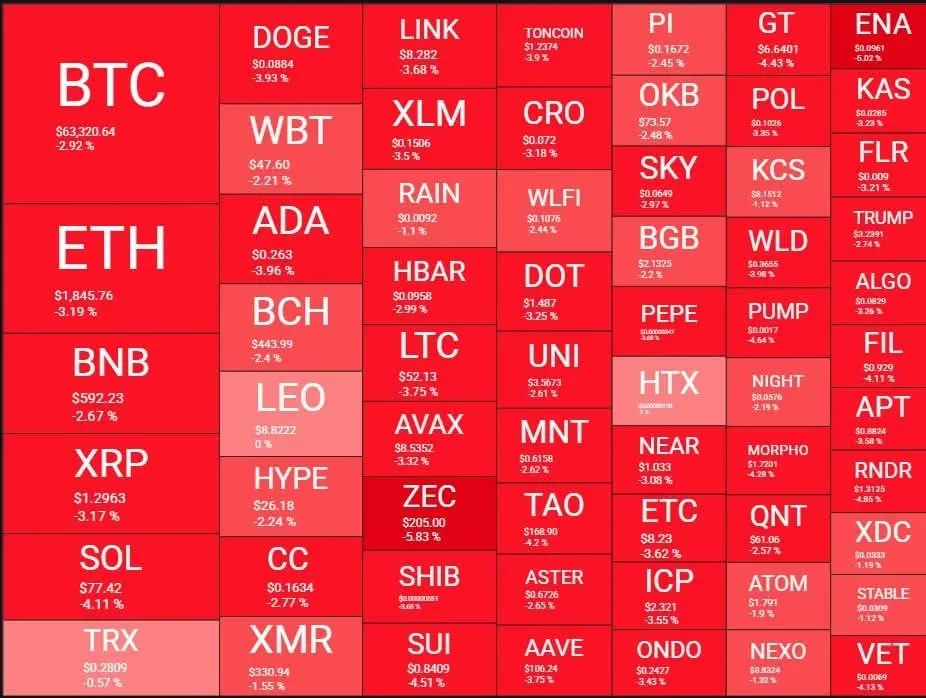
Following news of Israel's attack on Iran, Bitcoin plummeted, dropping nearly 3% within four hours. As of 14:52, it had fallen over 6% in 24 hours, breaking below $64,000. ETH declined by 8.49%, SOL dropped nearly 10%. Dogecoin, HYPE, and several other assets also suffered simultaneous heavy losses.
According to CoinGlass data, in the past 24 hours, a total of 135,000 traders worldwide were liquidated, with a total liquidation amount of $446 million. Bitcoin, which had been oscillating around $67,000, plunged into an ice-cold abyss within four hours, breaking below the $64,000 mark; ETH fell nearly 9%, and SOL nearly 10%. Popular assets like HYPE and DOGE experienced indiscriminate liquidity wipes.
This is the first rule of the international financial market: when the fires of war ignite, algorithms retreat before humans do.
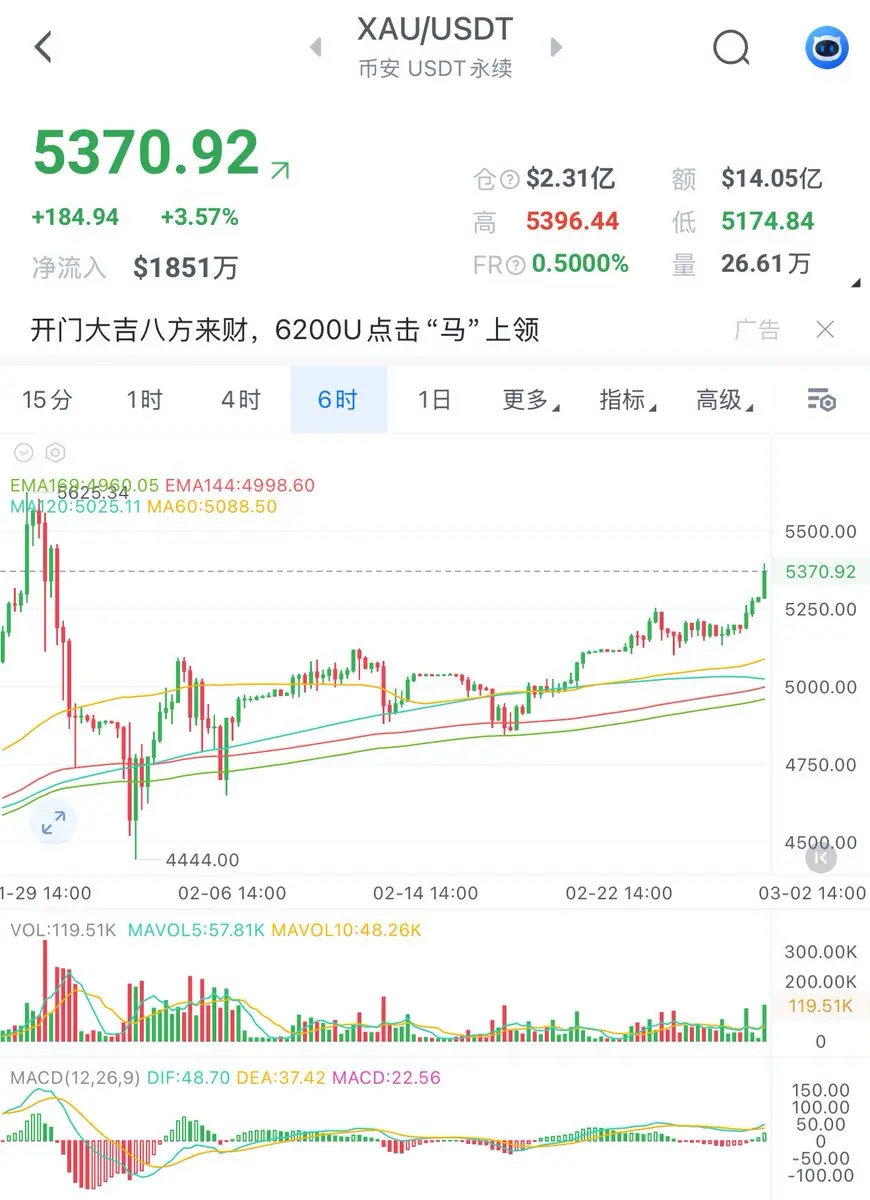
Redefining safe-haven assets: In the past, we called Bitcoin "digital gold," but in the face of real geopolitical war, the first reaction of capital remains a return to the dollar, U.S. Treasuries, and physical gold. Bitcoin still plays the role of a "risk sentiment thermometer," not a "safe haven."
Vulnerability under high interest rates: As the Federal Reserve maintains restrictive interest rates over the long term, market liquidity is in a "tight balance" state. Any "gray rhino" geopolitical shock can trigger a collapse on the fragile leverage stack.
Resonance effects from institutionalization: With the proliferation of spot ETFs, the correlation between the crypto market and traditional markets has reached a historic high. The Middle East situation affects oil, which influences inflation expectations, which in turn impacts the Federal Reserve, ultimately reflecting on every Bitcoin contract.
Financial markets have no compassion. The liquidation of 135,000 traders is the pain of the old order collapsing and a new balance forming. When the smoke clears, what we should be left with is not just paper losses, but a profound reflection on global macro logic. In this game of global capital "monopoly," surviving is always more important than winning once.
Following news of Israel's attack on Iran, Bitcoin plummeted, dropping nearly 3% within four hours. As of 14:52, it had fallen over 6% in 24 hours, breaking below $64,000. ETH declined by 8.49%, SOL dropped nearly 10%. Dogecoin, HYPE, and several other assets also suffered simultaneous heavy losses.
According to CoinGlass data, in the past 24 hours, a total of 135,000 traders worldwide were liquidated, with a total liquidation amount of $446 million. Bitcoin, which had been oscillating around $67,000, plunged into an ice-cold abyss within four hours, breaking below the $64,000 mark; ETH fell nearly 9%, and SOL nearly 10%. Popular assets like HYPE and DOGE experienced indiscriminate liquidity wipes.
This is the first rule of the international financial market: when the fires of war ignite, algorithms retreat before humans do.
Redefining safe-haven assets: In the past, we called Bitcoin "digital gold," but in the face of real geopolitical war, the first reaction of capital remains a return to the dollar, U.S. Treasuries, and physical gold. Bitcoin still plays the role of a "risk sentiment thermometer," not a "safe haven."
Vulnerability under high interest rates: As the Federal Reserve maintains restrictive interest rates over the long term, market liquidity is in a "tight balance" state. Any "gray rhino" geopolitical shock can trigger a collapse on the fragile leverage stack.
Resonance effects from institutionalization: With the proliferation of spot ETFs, the correlation between the crypto market and traditional markets has reached a historic high. The Middle East situation affects oil, which influences inflation expectations, which in turn impacts the Federal Reserve, ultimately reflecting on every Bitcoin contract.
Financial markets have no compassion. The liquidation of 135,000 traders is the pain of the old order collapsing and a new balance forming. When the smoke clears, what we should be left with is not just paper losses, but a profound reflection on global macro logic. In this game of global capital "monopoly," surviving is always more important than winning once.