ShizukaKazu

vip
Age 3.3 Year
Peak Tier 5
No content yet
#特朗普释放停战信号 Trump suddenly signals a ceasefire, the US dollar plunges, and these three major currency pairs will shake up the market!
Market Overview: The Collapse of the Dollar Sparks a New Round of Currency Wars April 1, 2026 — The global financial markets are experiencing a dramatic turn! Overnight, the US dollar index plummeted 0.6%, hitting a new low over a week at 99.88. This "flash crash" immediately ignited the non-dollar currency and precious metals markets. Spot gold surged 3.5%, silver soared 7%, while the oil market experienced a wild jump—WTI crude oil dropped 3%, Brent crude fell
View Original
post-image
post-image
[The user has shared his/her trading data. Go to the App to view more.]
  • Reward
  • Comment
  • Repost
  • Share
#创作者冲榜 After a month of turmoil in the Middle East, why did the gold price trend reverse?
After a month of ongoing conflict in the Middle East, gold and crude oil shifted from the initial pattern of “gold falling, oil rising” to “both rising or falling together,” which is a key signal that market trading logic has undergone a fundamental change.
📊 Phenomenon confirmation: from divergence to resonance
· Gold (GC26M): Latest price (at the time of writing) 4610.3, up 1.16%, with significant intraday volatility, indicating strong buying interest at lower levels.
· Crude oil (Brent B26K): Latest p
View Original
Ryakpandavip
#创作者冲榜 After a month of turmoil in the Middle East, why did the gold price trend reverse?
After a month of conflict in the Middle East, gold and crude oil shifted from the initial "gold down, oil up" to "both rise or fall together," which is a key signal that the market trading logic has undergone a fundamental change.
📊 Phenomenon confirmation: from divergence to resonance
· Gold (GC26M): Latest price (at the time of writing) 4610.3, up 1.16%, with significant intraday volatility, indicating strong buying interest at lower levels.
· Crude oil (Brent B26K): Latest price (at the time of writing) 116.60, up 3.39%, continuing its strength.
This confirms the core characteristic of the recent market: gold and oil are beginning to rise together, and gold shows stronger resilience during oil pullbacks (only a decline in gains).
🔍 Core analysis: why has the trend shifted to "both rising"?
Behind this logical switch is the transformation of the geopolitical conflict from a "risk event" into a "structural crisis":
1. Escalation of geopolitical conflict: from "event-driven" to "supply chain disruption"
The conflict has lasted a month and has seen substantial escalation:
· De facto blockade of the Strait of Hormuz: about one-quarter of global maritime oil trade (roughly 20 million barrels per day) is disrupted, with Gulf region exports now less than 10% of pre-conflict levels—this is the largest supply interruption in history.
· Spillover risks: Houthi forces officially involved; Kuwait oil tankers attacked; fighting spreading to energy infrastructure.
· Diplomatic negotiations and military escalation run in parallel: on one hand, countries like Saudi Arabia hold talks to mediate; on the other, Trump threatens to destroy Iran’s Halek Island, while Iran legislates to charge tolls on ships passing through the strait. The situation has not substantially eased.
2. Rebuilding the logic of gold: liquidity shocks end, safe-haven and stagflation trades return
This is the key to explaining "why gold is no longer falling":
· Liquidity crisis alleviated: the previous sharp decline in gold was mainly because gold prices were high, and worsening risk appetite caused liquidity squeezes (investors sold gold for liquidity). As leverage was unwound, gold and stock/bond markets began decoupling.
· Safe-haven attribute restored: as markets realize the conflict may not end soon and even threatens energy security, gold’s status as the ultimate safe-haven asset is reaffirmed.
· Stagflation trading becomes the main theme: sustained high oil prices quickly transmit inflation, while high interest rates suppress economic growth. Markets are beginning to trade the classic stagflation scenario (economic stagnation + high inflation), which is one of the most favorable environments for gold.
3. Macro expectations bottom out: no further room for rate cut expectations to worsen
· Previously, the main factor suppressing gold was the market completely abandoning rate cut expectations and even pricing in rate hikes.
· Currently, rate cut expectations are at rock bottom, with little room for further negative adjustments in the short term. Meanwhile, Fed officials’ hawkish comments are made, but markets are beginning to expect "high interest rates cannot be sustained," as this would impose huge pressure on the US’s massive debt.
4. Funding support: buying on dips and central bank gold purchases
· Institutional contrarian accumulation: during the significant correction in gold prices, long-term funds like pension funds increased their gold long positions.
· "Gold pit" effect: major Wall Street banks (such as JPMorgan, Citigroup, Fidelity) generally see this correction as a rare strategic buying opportunity, with the long-term logic (de-dollarization, currency devaluation, fiscal deficits) unchanged.
📈 Market outlook and strategic reference
Many institutions have provided three scenario analyses based on geopolitical evolution:
Scenario Assumption Core Conditions (Oil Price) Gold Trend Outlook
Optimistic (Strong stagflation) Prolonged conflict, oil stable above $150 Gold and oil strengthen together, gold hits new all-time highs, real interest rates turn negative, USD credibility damaged.
Neutral (Weak stagflation) Limited opening of the strait, oil at $80-100 Range-bound volatility. Liquidity remains tight, with opposing forces of central bank gold purchases.
Pessimistic (Near-recovery) Rapid resolution of conflict, oil drops back to $60 After recovery, oscillates upward. Gold quickly recovers its decline, returning to a rate cut trading logic.
Overall, the current outlook leans more toward a "neutral to optimistic" path. In the short term, the market finds strong support around $4,500, but high-level oscillations are inevitable, with the trend highly dependent on ceasefire negotiations and macro data like US non-farm payrolls.
Strategy suggestions for everyone:
· Short-term: avoid chasing highs. The simultaneous rise of gold and oil often indicates the market is entering a more intense bargaining phase; consider waiting for a pullback (e.g., gold price retesting $4,500 support) before deploying positions.
· Medium to long-term: focus on gold ETFs (such as 518800) or gold stock ETFs (such as 517400). Against the backdrop of de-dollarization and high global debt, gold remains a strategic hedge for credit.
Summary: The current "gold and oil rising together" signals that the market recognizes the geopolitical conflict has substantially impacted global energy supply chains. The liquidity crisis that previously suppressed gold has been resolved, and the trading focus is shifting to stagflation hedging. As long as the Strait of Hormuz remains blocked, this logic is unlikely to be invalidated.
This analysis is based on publicly available market information and does not constitute direct investment advice.

repost-content-media
  • Reward
  • 8
  • Repost
  • Share
CryptoBGsvip:
2026 GOGOGO 👊
View More
Why did Trump suddenly call for a halt?
Thirty-two days after the start of the war, Trump suddenly said, "We’re about to negotiate peace."
That sounds a bit familiar—he said the same on the first day of the war.
But this time, it’s different.
Because numbers don’t lie.
A set of figures that make the White House uneasy:
First, look at the polls.
A joint survey by Reuters and Ipsos released on March 24th shows these numbers:
Overall approval rating: 36%—the lowest since he returned to the White House
Economic satisfaction: 29%—the worst during his two terms, even lower than when
View Original
Ryakpandavip
Why did Trump suddenly call a halt?
Thirty-two days after the start of the war, Trump suddenly said, "We’re about to negotiate peace."
That sounds a bit familiar—he said the same thing on the first day of the war.
But this time, it’s different.
Because numbers don’t lie.
A set of numbers that make the White House uneasy
First, look at the polls.
A joint survey by Reuters and Ipsos released on March 24th shows these figures:
Overall approval rating: 36%—the lowest since he returned to the White House
Economic satisfaction: 29%—the worst in both terms, even lower than during Biden’s worst days
Support for the Iran war: 35%—61% of Americans say "I don’t support"
Cost of living approval: 25%—a core promise of Trump’s 2024 campaign
Numbers are cold, but behind them is the real temperature of public opinion.
Since the war began, Americans’ expressions at gas stations about oil prices are probably as tense as watching a stock market crash.
More troubling for the White House: the financial ledger
War costs money.
How much exactly? Cross-referencing several data points:
Think tank CSIS estimates about $900 million per day
The Pentagon admits: nearly $1 billion daily
Democratic lawmakers reveal: $11.3 billion spent in the six days before the war
Latest Pentagon budget request: over $200 billion
Let’s do some simple math:
32 days × $900 million per day ≈ about $288 billion
What’s that concept?
A Ford-class nuclear-powered aircraft carrier costs about $130 billion.
So, after 32 days of fighting, they’ve burned through more than two carriers.
And that’s just direct military expenses—no accounting for veteran benefits, debt interest, or the "stability costs" that could last indefinitely.
Trump’s ledger: why he must call a halt
Businesspeople understand the importance of cutting losses.
Trump is a businessman. He’s calculated this war’s costs clearly.
What are the benefits of fighting?
Destroying some Iranian nuclear facilities—considered a partial success. But reports say Iran has already transferred some of its enriched uranium equipment—bombed but not completely destroyed.
What are the costs?
Spending $100 million daily, rising inflation at home, Republican lawmakers starting to frown during midterms, oil prices soaring to the point drivers are cursing…
It’s a losing business.
So, calling a halt isn’t because Trump suddenly became a peace advocate, but because:
Costs have exceeded benefits, and it’s time to cut losses.
April 6th: what might happen?
The ball is now in Iran’s court.
U.S. conditions: halt nuclear program, accept inspections, reduce regional influence.
Iran’s conditions: lift sanctions, guarantee regime security, compensate for war damages.
Their core demands don’t overlap at all.
So, the most likely outcomes are:
First (55% probability): Partial ceasefire
U.S. pauses airstrikes, Iran reduces counterattacks, both sides announce "significant progress in negotiations"—but the agreement is incomplete, issues unresolved, just a cooling-off.
Second (25% probability): Downgrade but no agreement
U.S. reduces involvement, Israel continues solo strikes. Trump can say "We won" externally, and internally, "I didn’t send ground troops."
Third (15% probability): Israel strikes alone
U.S. withdraws main forces, but Israel doesn’t stop. This is Israel’s best option—someone helps bomb for a while, Iran is weakened, and they haven’t exhausted their budget.
Fourth (5% probability): Full ceasefire
Impossible unless internal upheaval occurs within Iran.
A piece of geopolitical economic common sense
Great powers fighting small countries rely on resource dominance.
But when great powers fight each other, it’s about who can withstand internal political pressure first.
Can the U.S. beat Iran? Technically, yes.
But domestic public patience has a time window. When oil prices hit a certain critical point, Trump’s approval rating won’t just be a matter of 36%. It could threaten his 2028 nomination.
So, what’s really being negotiated at the table isn’t just a nuclear deal, but the internal political cost line of the U.S.
Some market judgments
Not strict predictions, just for reference:
Crude oil: $100 is the bottom; after an agreement, it could quickly fall back to $85–$90, but the risk premium on the Strait of Hormuz will persist long-term.
Gold: Remains high before April 6; after an agreement, there will be a phased correction, but if Iran’s issues aren’t resolved, there’s still hope later in the year.
U.S. stocks: The short-term opportunity in energy stocks has passed; defensive sectors and gold stocks are worth watching.
In conclusion
Trump is a "real person."
On the first day of the war, he said, "I will be very good at war," and after thirty-two days, he said, "We’re about to negotiate peace."
There’s no personality split here—just a businessman realizing the costs are too high, and reacting normally.
War is an extension of politics; politics is a reflection of domestic public opinion.
When approval ratings drop to 36%, even the toughest strongman has to start doing the math.
That’s probably why, on April 6th, it might really be a turning point.
repost-content-media
  • Reward
  • 11
  • Repost
  • Share
LittleGodOfWealthPlutusvip:
Stay tuned to 👀
View More
#创作者冲榜 Sudden rebound! Bitcoin back to $68,000, 24H volatility exceeds 2,500 points, is a turning point in market sentiment coming?
The crypto market is experiencing a long-awaited recovery! After days of fluctuation and adjustment, Bitcoin has finally surged strongly, successfully returning to the critical $68,000 level, playing out a "bottoming rebound" show. As of press time, Bitcoin is trading at $67,944.05, with a 24-hour high of $68,589.49, a low of $65,998.05, and a volatility of over $2,500, ultimately closing near $68,000, demonstrating strong market resilience. It’s important to not
BTC2.41%
View Original
post-image
post-image
[The user has shared his/her trading data. Go to the App to view more.]
  • Reward
  • 10
  • Repost
  • Share
Ryakpandavip:
Go all in 🤑
View More
#美共和党提出美国挖矿法案 The United States Launches the "Mining Law"!Bitcoin Strategic Reserves Take a Step Forward, Chinese Mining Machines in Danger!
Trump's ambition to turn the U.S. into the "Global Cryptocurrency Capital" is gradually becoming law. On Monday, Republican Senators Cynthia Lummis and Bill Cassidy dropped a heavy bomb—the "U.S. Mining Act." This is not just a mining bill. Its underlying message is: the U.S. will not only stockpile Bitcoin but also mine it themselves; not only mine domestically but also kick out "foreign hostile forces'" mining machines. A new game around hash power, ene
BTC2.41%
View Original
post-image
post-image
[The user has shared his/her trading data. Go to the App to view more.]
  • Reward
  • 15
  • 2
  • Share
GateUser-46340cd7vip:
hi
View More
Federal Reserve Chair Jerome Powell stated on March 30th local time that, in the context of the energy shock triggered by the U.S.-Iran conflict, the Fed is inclined to keep interest rates unchanged and to temporarily "ignore" the impact of this shock. His remarks further boosted bond market gains.
Currently, due to ongoing tensions in the Middle East, oil supply risks have increased, and international oil prices continue to rise. Meanwhile, precious metal prices are also climbing amid Middle East conflicts and safe-haven demand. As of the close on March 30th, the NYMEX May crude oil futures
View Original
post-image
  • Reward
  • 16
  • Repost
  • Share
MasterChuTheOldDemonMasterChuvip:
Just go for it 👊
View More
#以太坊基金会质押4620万美元ETH Ethereum Foundation buys the dip of its own coin, and the market finally takes a breather!
Ethereum is the brightest spot today and is the direct beneficiary of the Foundation’s large-scale staking. It dipped to around 1940, which is a critical support level tested recently, then rebounded strongly to around 2075. Currently, it’s around 2055, making it the biggest gainer among mainstream coins today.
After falling below the 2000 mark today, it was quickly pulled back up. This back-and-forth indicates that the bullish and bearish opinions on the 2000 level are still quite di
ETH4.22%
View Original
post-image
post-image
  • Reward
  • 16
  • Repost
  • Share
xxx40xxxvip:
To The Moon 🌕
View More
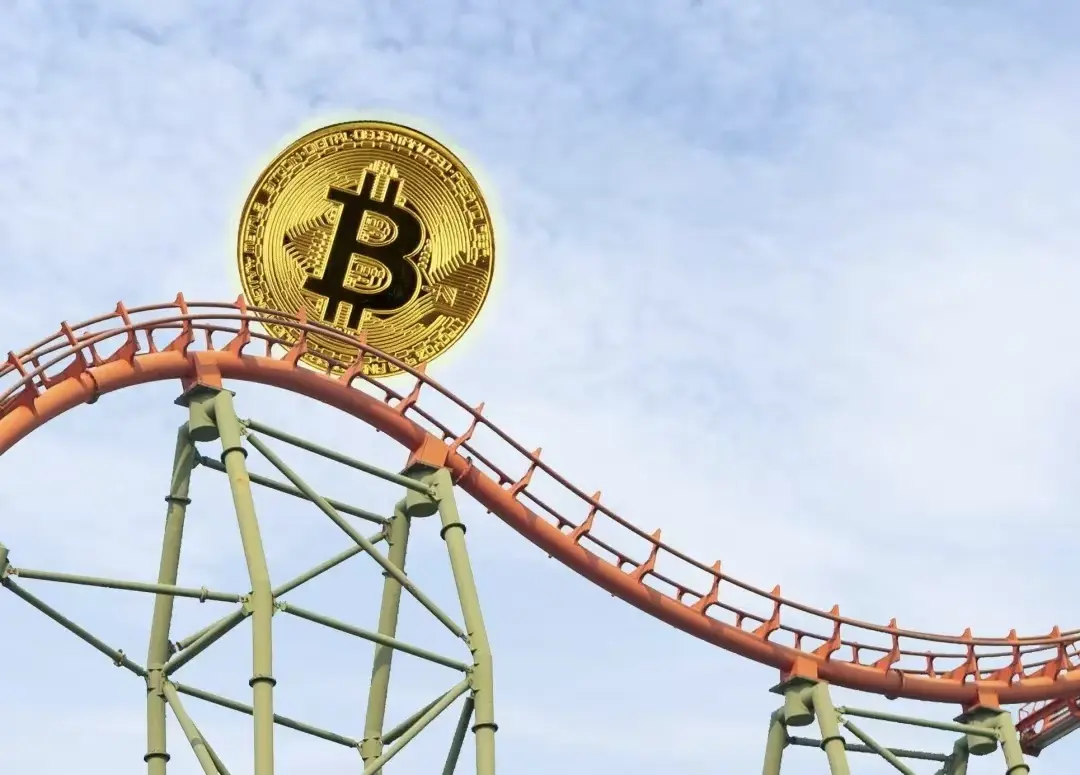
#创作者冲榜 Volatile Roller Coaster! Bitcoin hits resistance at 68,400, Ethereum faces pressure at 2,100, waiting for volume to pick up!
Recently, Bitcoin and Ethereum have fallen into a weak oscillation and tug-of-war pattern, with bullish and bearish momentum alternating but with poor continuity. Coupled with macroeconomic bearish pressures and low market sentiment, prices have been fluctuating within a range.
From yesterday to today, the two major cryptocurrencies have shown a "rebound - encounter resistance - pullback - rebound" rhythm. Although there are signs of stabilization in the short ter
BTC2.41%
ETH4.22%
View Original
post-image
post-image
[The user has shared his/her trading data. Go to the App to view more.]
  • Reward
  • 14
  • Repost
  • Share
xxx40xxxvip:
LFG 🔥
View More
#创作者冲榜 Gold once again fell below 4420, and silver dropped over 2%. What's going on!?
Financial News Agency ( North America ) Report: On Monday (March 30), during Asian trading hours, international gold and silver prices both declined. As the US-Iran conflict enters its fifth week with no signs of ending in sight, market risk appetite and inflation expectations continue to fluctuate. After a rebound in the previous trading session, precious metals came under pressure again. Spot gold briefly fell over $70 to a low of $4419.57 per ounce, after rising 2.7% in the previous session; spot silver fe
View Original
post-image
post-image
  • Reward
  • 20
  • Repost
  • Share
XiaoXiCaivip:
GT is king👑
View More
#创作者冲榜 The Hormuz Blockade Sparks Market Turmoil: Gold Plummets, Crude Oil Surges—What’s Next?
Recent gold and oil movements are completely counterintuitive: Iran’s blockade of the Strait of Hormuz, with geopolitical tensions so high, yet gold not only failed to rise but has fallen from 5200 all the way down to 4400-4500; meanwhile, crude oil has surged continuously, rendering the old adage “a cannon shot, a thousand ounces of gold” completely ineffective.
The reason for the crude oil surge is simple: the Strait of Hormuz accounts for nearly 40% of global maritime oil shipments. A blockade cre
View Original
post-image
post-image
[The user has shared his/her trading data. Go to the App to view more.]
  • Reward
  • 16
  • 1
  • Share
ybaservip:
To The Moon 🌕
View More
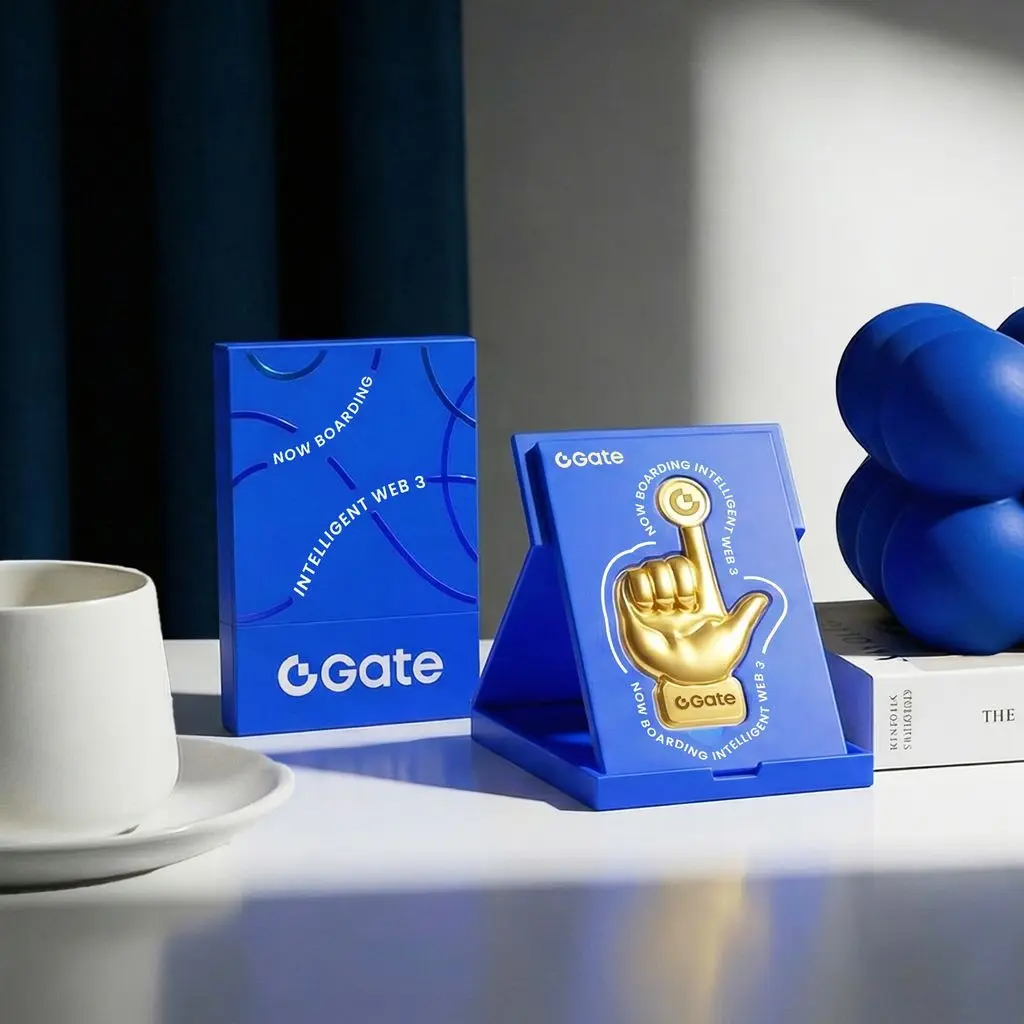
#Gate金手指 If I had a magic touch that could turn lead into gold, I would most want to transform trash, waste, and pollution into pure gold. This not only solves environmental problems but also converts discarded materials into wealth, achieving resource recycling and making the world a better place.
View Original
post-image
post-image
Gate广场_Officialvip
🌟 Gate Plaza | The Golden Finger Challenge!
Everything can be gold! Show off your "Turning Stone into Gold" superpower and win limited edition merchandise and USD rewards!
🎁 Interactive Giveaway
Creative Award (3 winners): Gate exclusive "Golden Finger" limited edition merchandise
Lucky Award (10 winners): $50 Contract Experience Voucher
👇 Quick Participation
1️⃣ Follow @GatePlaza_Official + Like and Share
2️⃣ Choose one to participate:
Comment: What would you most like to turn into pure gold?
Post with the hashtag #Gate金手指 : Share your "Golden Finger" interaction photo (real shot/AI generated)
The more creative your idea, the higher your chances of winning! Come and unlock your golden moment!
repost-content-media
  • Reward
  • 23
  • Repost
  • Share
ybaservip:
坚定HODL💎
View More
#BTC能否守住6.5万美元? BTC Market Analysis: Strong Rebound! Bitcoin 64918 Precisely Bottomed Out, Is the 65000 Level the "Starting Point of the Rebound" or a "Trap for Fake Breakouts"?
Core Viewpoint: Today’s Bitcoin daily candle closed as a doji star with a long lower shadow, indicating a potential trend reversal. After dropping to a low of 64918, the price quickly rebounded, briefly surpassing the 67000 level. Currently, the market shows very strong support below, with the 4-hour chart displaying clear signs of a bottoming and rebound pattern. Focus should be on whether the support at 65000 holds e
BTC2.41%
View Original
post-image
post-image
[The user has shared his/her trading data. Go to the App to view more.]
  • Reward
  • 20
  • Repost
  • Share
discoveryvip:
2026 GOGOGO 👊
View More
#创作者冲榜 California Takes Action to Regulate Prediction Markets: Officials Prohibited from Using Insider Information to Participate
BlockBeats news, March 28 — California Governor Gavin Newsom signed an executive order explicitly banning state officials from using "non-public information" to trade in prediction markets or assist others in profiting, with regulations covering mainstream platforms such as Polymarket and Kalshi.
The order stipulates that all gubernatorial appointees are prohibited from using confidential information obtained through their official duties to place bets or help f
View Original
post-image
post-image
[The user has shared his/her trading data. Go to the App to view more.]
  • Reward
  • 19
  • Repost
  • Share
discoveryvip:
2026 GOGOGO 👊
View More
#创作者冲榜 Today's Hot Topics: Bitcoin Bottom May Be Anchored at $46,000-$54,000, Analysts Warn of Deeper Bear Market Amid Macro Shift
1 Bitcoin Bottom May Be Anchored at $46,000-$54,000
On-chain analyst Willy Woo pointed out that traditional on-chain models indicate Bitcoin’s potential bottom is between $46,000 and $54,000. The CVDD bottom model he referenced currently values at $45,500, and Bitcoin network capital has been continuously flowing out since November last year. He warns that the model is based only on the past four bear markets (all occurring during a long-term bull market for glob
BTC2.41%
View Original
post-image
post-image
[The user has shared his/her trading data. Go to the App to view more.]
  • Reward
  • 15
  • Repost
  • Share
Vortex_Kingvip:
To The Moon 🌕
View More
#Web3安全指南 A Beginner's Guide to Cryptocurrency: The Complete Safety Deposit and Withdrawal Guide to Avoid Frozen Card Risks
In the world of cryptocurrencies, making money is certainly important, but how to safely convert digital assets into fiat currency and deposit them into your bank account is equally crucial. For newcomers to the crypto space, "frozen cards" may be one of the most troublesome issues—hard-earned money being frozen by banks due to improper operations, resulting in temporary inaccessibility of funds or even legal risks. This article will use simple, understandable language
BTC2.41%
ETH4.22%
View Original
Ryakpandavip
#Web3安全指南 A Beginner's Guide to Cryptocurrency: The Complete Safety Deposit and Withdrawal Guide to Avoid Frozen Card Risks
In the world of cryptocurrencies, making money is important, but how to safely convert digital assets into fiat currency and deposit into your bank account is equally crucial. For newcomers to the crypto space, "frozen cards" may be one of the most troublesome issues—hard-earned money being frozen by banks due to improper operations, resulting in temporary inaccessibility of funds or even legal risks. This article will use simple, easy-to-understand language to comprehensively explain the correct procedures for depositing and withdrawing funds in the crypto world, from choosing platforms to specific operational steps, and emergency handling after a frozen card, helping you convert between cryptocurrencies and fiat currency safely and legally.
Why might your bank card be frozen?
Before diving into how to safely deposit and withdraw funds, we first need to understand why banks freeze accounts related to cryptocurrency transactions. Only by understanding the underlying logic can you fundamentally avoid risks.
Banks and law enforcement agencies mainly freeze accounts for three reasons: receiving involved funds, triggering bank risk control systems, and abnormal transaction behavior. The most common is the first—when you sell cryptocurrencies, you might inadvertently receive funds from telecom scams, online fraud, or other illegal activities (commonly called "black money"). If the victim reports the case, police will trace the funds and freeze all related accounts, including your bank card that ultimately received the funds.
The second reason is that your transaction behavior triggers the bank’s anti-money laundering risk control system. For example, frequent large transactions in a short period, quick in-and-out trades, or using an inactive bank card for large transactions can be flagged as suspicious.
The third reason involves issues with the transaction itself, such as frequent trading with the same user or abnormal buy/sell amounts, which may be mistakenly identified as money laundering.
It’s important to note that China currently has strict regulations on virtual currencies. While personal transactions of virtual currencies are not explicitly prohibited, they are not legally protected. This means that if problems arise during transactions, you may face difficulties in providing evidence. Therefore, prevention is more important than post-incident resolution.
Necessary preparations before deposit and withdrawal
A craftsman must first sharpen his tools. Proper preparation before crypto deposit and withdrawal operations can significantly reduce risks. These preparations may seem tedious, but once completed, subsequent operations will be safer and smoother.
First, choose compliant trading platforms. Large international exchanges like Gate.io generally have more comprehensive risk control systems and compliance procedures, which can filter suspicious transactions to some extent. These platforms also conduct strict merchant reviews, such as "Blue Shield Merchant" certification, making transactions with such merchants relatively safer. Avoid unknown small platforms or OTC trading groups, as these are often hotspots for money laundering activities.
Second, prepare a dedicated bank card for cryptocurrency transactions. This card should be completely separate from your regular salary or savings cards and used solely for deposit and withdrawal operations related to cryptocurrencies. Even if it gets frozen, it won’t affect your other funds.
Ideally, this card should be from a local bank (such as city commercial banks or rural commercial banks), as law enforcement’s freezing actions on these banks tend to be more complex and less frequent. Also, understanding basic KYC (Know Your Customer) procedures is important. Legitimate platforms will require identity verification, including uploading ID and facial recognition. Although this may seem cumbersome, these measures protect you and reduce the risk of dealing with illegal entities.
Finally, establish a habit of keeping complete transaction records, including platform order screenshots, on-chain transfer records, chat logs with trading partners, etc. These materials will be key evidence to prove the legality of your transactions if your card gets frozen.
Safe deposit: Converting fiat to cryptocurrency
Depositing funds means converting fiat currency (like RMB) into cryptocurrencies. While the risk of deposit is usually lower than withdrawal, improper operations can still cause account issues. Here are some key points for safe deposits:
- Use bank transfers instead of third-party payment tools. Although Alipay and WeChat Pay seem convenient, these platforms have stricter risk controls on crypto-related transactions. If marked as suspicious, your payment accounts could be restricted.
- Bank transfers are generally safer, especially when using dedicated trading bank cards.
- Distribute deposit amounts reasonably. Avoid large lump-sum deposits, as they can trigger bank risk control systems. If larger amounts are needed, consider splitting over multiple days or transactions. Also, avoid including crypto-related terms like "BTC" or "USDT" in transfer remarks; simple "Transfer" or leaving remarks blank is safer.
- Do not immediately transfer cryptocurrencies out after deposit. Allow the funds to stay in your account for a period (at least 24 hours). This "cooling-off period" reduces the risk of being flagged for money laundering. Also, avoid transferring newly deposited crypto immediately to other exchanges or wallets, as rapid circulation can be monitored as suspicious activity.
- Use mainstream cryptocurrencies as intermediaries. If purchasing crypto via OTC, prioritize major coins like BTC or ETH rather than stablecoins like USDT, which are more often associated with money laundering risks.
- Small test transactions are crucial. When dealing with a new merchant, start with a small amount to confirm the funds arrive safely and without issues before proceeding with larger transactions. This adds some inconvenience but effectively reduces large fund risks.
Safe withdrawal: Converting crypto to fiat currency
Withdrawing crypto to fiat is the riskiest stage for frozen cards and requires extra caution. Here are proven safe withdrawal strategies to help you convert crypto profits into fiat safely:
- Choose merchants with T+1/T+2 withdrawal mechanisms. Some platforms offer delayed withdrawals, where after selling crypto, funds take 1-2 business days to arrive. This delay filters out illegal funds seeking quick cash. Buyers willing to wait for T+1/T+2 are usually more legitimate.
- Diversify transaction counterparts and timing. Avoid frequent transactions with the same merchant, as this can be seen as organized fund transfers. Also, conduct large withdrawals during normal working hours (9 am to 9 pm on weekdays), avoiding late nights or holidays.
- Use a tiered withdrawal approach. Do not withdraw all assets at once; instead, do it in multiple smaller transactions over different days. For example, if you need to withdraw 100,000 RMB, split into 3-4 transactions on different dates. This reduces the risk of any single transaction encountering issues and protects your entire assets.
- After funds arrive, handle them carefully. Do not immediately transfer to other accounts; keep the funds in the receiving account for at least 24 hours. If you need to use the funds, prefer ATM cash withdrawal or direct spending rather than bank transfers to avoid "contaminating" other accounts.
- For large withdrawals (over 50,000 RMB), consider alternative options like offline OTC in Hong Kong or U-cards. Hong Kong is more open to crypto, and face-to-face exchanges are available at reputable shops.
- U-cards (like Mastercard U-Card) allow direct spending of cryptocurrencies, avoiding fiat conversion risks, but they have higher thresholds and fees.
* Emergency handling after a frozen card
Even with all precautions, the risk of freezing cannot be entirely eliminated. If your bank card is frozen, stay calm and follow these steps to minimize losses and speed up unfreezing:
1. Confirm the freeze type and reason. Bring your ID to the bank counter to inquire about details, including the freezing authority, duration, and contact info.
- Freezes are usually either bank risk control freezes or judicial freezes. The former is easier to resolve; the latter is more complex.
- For bank risk control freezes, usually providing transaction proof (like salary slips, contracts) showing legal source of funds suffices, and the freeze can be lifted within 3-7 working days. Patience and following bank instructions are key.
- Judicial freezes can be temporary (3 days) or long-term (6 months). For 3-day freezes, wait for automatic unfreezing. For 6-month freezes, contact the freezing authority (often a remote public security bureau) to understand the case and reasons.
2. Prepare proof materials. Usually, you need to provide:
- Bank statements (6 months to 1 year), transaction platform order records, on-chain transfer records, chat logs with trading partners, proof of personal income, etc. These demonstrate your transaction legitimacy and that you are not involved in illegal activities.
3. Cooperate with investigations. You may need to visit the freezing authority’s location to give a statement, honestly explaining your transactions. Stick to facts, avoid guesses or exaggerations. If the involved amount is much smaller than the frozen amount, request to unfreeze the non-involved funds. If unable to visit in person, try to negotiate local police cooperation.
Important reminder: Do not attempt "fund filtering" operations after freezing, such as transferring funds to securities accounts or cashing out via credit card repayment. These behaviors may be seen as deliberately concealing fund flow and worsen suspicion.
Avoid using third-party tools like Alipay or WeChat Pay for "fund filtering," as their risk controls are stricter, making resolution more difficult if frozen. If facing difficulties, consider reporting via 12345 citizen hotline or complaint channels, but be cautious with methods.
For complex or large freezes, consult a professional lawyer to avoid legal pitfalls due to unfamiliarity with procedures.
Long-term safety strategies and mental preparedness
Beyond operational skills, establishing the right mindset for managing crypto funds is equally important. Here are some long-term safety strategies and psychological tips to help you stay steady in the crypto space:
- Accept the "Impossible Triangle" reality. In crypto deposit and withdrawal, you cannot simultaneously achieve "convenience, low cost, and low risk." Prioritize based on your situation—if safety is most important, accept higher fees or longer processing times; if instant access is needed, accept corresponding risks. There is no perfect solution, only the best trade-offs for your needs.
- Keep abreast of regulatory developments. Crypto regulations change rapidly; today’s "gray areas" may become banned tomorrow. Regularly follow policy updates, especially regarding Hong Kong OTC licenses, US FATF rules, and other international regulations. These changes often influence the market before they are widely perceived. Join high-quality info-sharing groups but verify information authenticity.
- Build a "margin of safety" mindset. Never concentrate all funds in a single deposit or withdrawal channel; risk diversification is key. Maintain multiple bank accounts or spread assets across different platforms. Be mentally prepared—crypto investments are inherently high risk, so only invest what you can afford to lose completely.
- Cultivate compliance awareness. Although the anonymity of cryptocurrencies attracts many, clearly reject any involvement with illegal funds (such as suspicious high-priced acquisition offers). These short-term gains can lead to long-term legal risks. Remember, compliance is protection, not restriction. As the industry matures, compliant players will have more opportunities.
- Keep learning. The crypto field evolves rapidly, and security strategies must be updated constantly. Regularly review your deposit and withdrawal records, analyze potential risks, and adjust strategies when risks increase. Engage with experienced investors (but beware of "insider tips") to improve your risk recognition skills.
Safe deposit and withdrawal are integral parts of crypto investing. We hope this guide helps you establish a systematic risk management framework. Remember, long-term survival in the crypto space depends on proper risk control.
repost-content-media
  • Reward
  • 22
  • Repost
  • Share
Vortex_Kingvip:
2026 GOGOGO 👊
View More
#创作者冲榜 Bitcoin falls below $68,000. How to position during this volatile period? These 3 signals determine your wealth trajectory!
At the end of March 2026, Bitcoin's price once again dropped below $68,000, approaching around $67,000, triggering over $50 million in leveraged long liquidations within 24 hours. The entire crypto market became more volatile, with mainstream coins like Ethereum and Solana also retreating, and market panic spreading. Tensions in the Middle East (related to the Strait of Hormuz risks), the US 10-year Treasury yield approaching a one-year high, and large-scale option
BTC2.41%
ETH4.22%
SOL1.18%
View Original
post-image
post-image
  • Reward
  • 22
  • Repost
  • Share
Vortex_Kingvip:
2026 GOGOGO 👊
View More
#比特币震荡走弱 BTC drops below 70K. Deleveraging acceleration in progress
>1. BTC this week fell from **above 70K to around 66K**, officially breaking below the consolidation center, indicating a weakening structure.
>2. The total liquidation volume during the week approached **$1 billion**, with leverage significantly shrinking, accelerating deleveraging.
>3. ETF continues to outflow + exchange net inflows expand, and the current decline is essentially **driven by capital withdrawal**.
BTC2.41%
View Original
post-image
post-image
  • Reward
  • 21
  • Repost
  • Share
Vortex_Kingvip:
To The Moon 🌕
View More
Prediction Market Kalshi Data shows that this year’s U.S. midterm elections have an 85% chance of Democrats winning the House of Representatives, reaching a new high.
A framework developed by Deutsche Bank strategists indicates that former President Trump tends to make the most impactful decisions when market pressure is at its peak.
The bank’s “Pressure Index” combines four indicators: the S&P 500 and U.S. Treasury yields, inflation expectations, and Trump’s approval rating.
Data shows that the index spiked significantly last spring when Trump announced a delay in “reciprocal tariffs,”
View Original
post-image
  • Reward
  • 19
  • Repost
  • Share
Vortex_Kingvip:
2026 GOGOGO 👊
View More
  • Pin