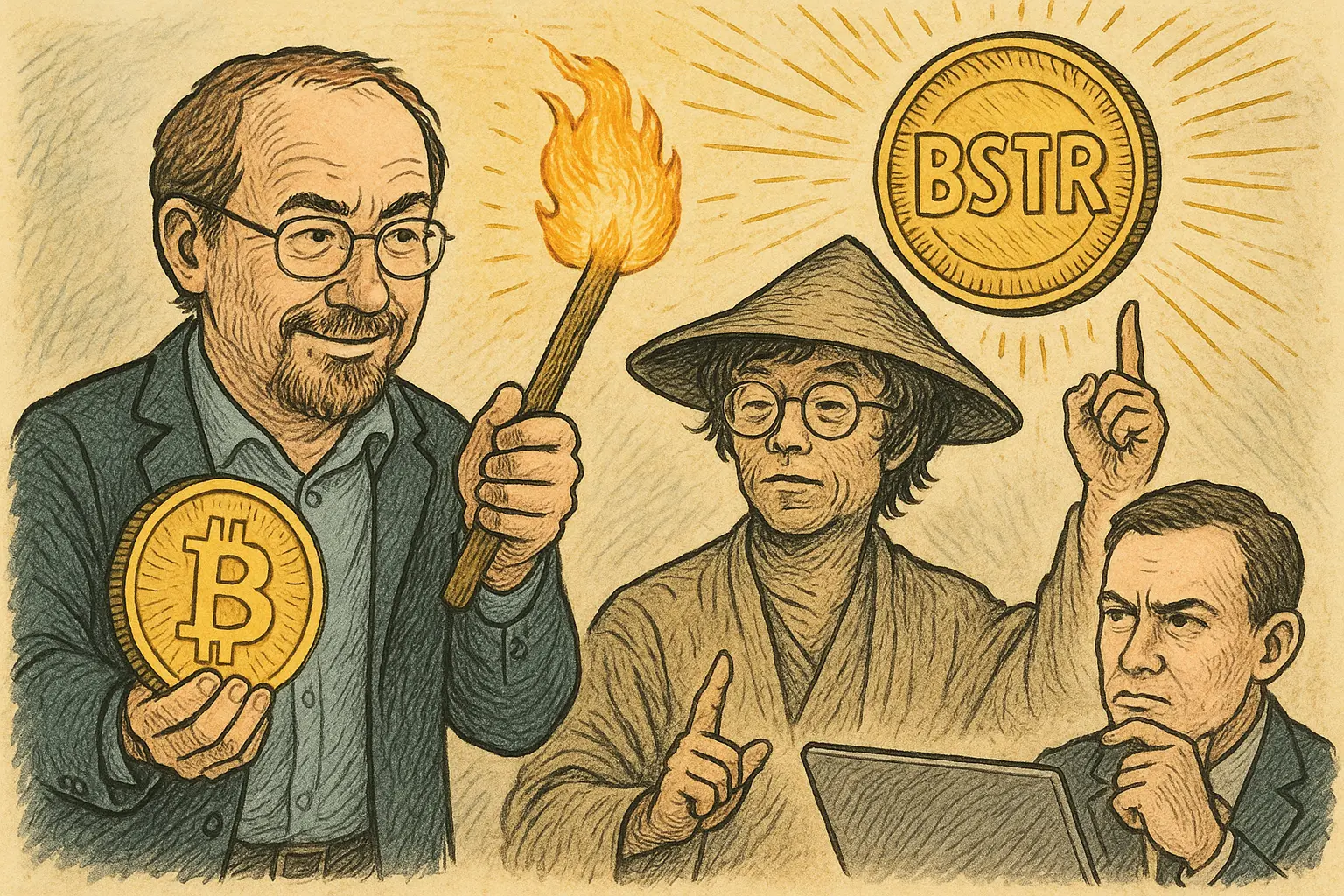
The New York Times’ report that lists Blockstream CEO Adam Back as the most likely candidate for Satoshi Nakamoto has sparked widespread attention, but multiple industry analysts also noted an intriguing detail: the timing of Back’s photo session coordinated with The New York Times’ photographer was weeks earlier than the report’s publication, and his Bitcoin treasury company BSTR is at a crucial juncture in its SPAC merger-to-public-listing process.
Photo Details Spark Suspicion: Back’s Interview Coordination Is Not Passive
The investigative reporter John Carreyrou, who wrote the article, revealed that weeks before the report was published, Back had already proactively agreed to have his photo taken for The New York Times in Miami. This detail overturns the prevailing belief that Back “passively accepted the interview,” making this highly scrutinized Satoshi Nakamoto report particularly worth investigating from a timing perspective.
The industry’s core concern is this: whether Back intentionally deployed the scenario or willingly accepted the arrangement, the global media spotlight on Satoshi Nakamoto indeed turns on right on schedule at the time when BSTR most needs market attention. Analysts pointed out that identifying a “Satoshi Nakamoto candidate” carries extremely high value for viral spread in the media ecosystem, and subsequent global follow-up coverage gives BSTR its name extensive organic exposure without any advertising spend.
BSTR’s Listing Plan: A Record-Scale Bitcoin Treasury Tool
BSTR plans to complete its listing through a SPAC merger with Cantor Equity Partners I. The deal includes $1.5 billion in private equity financing (PIPE), setting a new all-time high for PIPE financing of Bitcoin treasury tools.
Key Elements of the BSTR SPAC Merger Deal
Merger counterpart: Cantor Equity Partners I, a SPAC shell company affiliated with the financial institution Cantor Fitzgerald
PIPE financing size: $1.5 billion, the largest PIPE financing record to date for Bitcoin treasury tools
Expected bitcoin holdings: more than 30,000 bitcoins at the time of listing, placing it among the world’s largest publicly traded bitcoin treasuries
Pending milestones: still needs to pass review by the U.S. Securities and Exchange Commission (SEC) and approval by shareholder vote
The merger deal was originally planned to be completed in the first quarter of 2026; SEC review procedures could push the final timeline back to the end of this quarter.
A Blurred Strategy for the Satoshi Identity: Commercial Logic Behind the Topic’s Life Cycle
Back has never officially confirmed or denied that he is Satoshi Nakamoto. This deliberate ambiguity extends the lifespan of media attention. Each peak in discussions of “whether Adam Back is Satoshi Nakamoto” brings BSTR a fresh wave of brand exposure, and the company does not need to speak up proactively or invest in an advertising budget.
In the sensitive window period of a SPAC merger, managing media exposure is typically constrained by SEC-related regulations. At present, there is no sign that BSTR has violated existing disclosure obligations, but the debate sparked in terms of market timing has become a public-relations topic in this listing plan that cannot be avoided.
Frequently Asked Questions
Has Adam Back been confirmed as Satoshi Nakamoto?
There is currently no definitive public evidence confirming that Adam Back is the Bitcoin creator Satoshi Nakamoto. The New York Times lists him as the “most likely candidate.” Back himself has neither officially confirmed nor explicitly denied it. The true identity of Satoshi Nakamoto remains the biggest unresolved mystery in the crypto community to this day.
What is the current progress of BSTR’s SPAC merger deal?
BSTR is moving forward with Cantor Equity Partners I on the SPAC merger. The transaction includes $1.5 billion in PIPE financing and is expected to hold more than 30,000 bitcoins after the listing. The merger was originally scheduled for completion in the first quarter of 2026, and it still needs to pass SEC review and shareholder approval, with the specific timeline subject to potential delays.
Would coordinating with media interviews violate information disclosure requirements during the SPAC listing period?
During the SPAC merger process, the issuer’s media communications are typically regulated by SEC-related rules. There is currently no sign that BSTR has violated existing disclosure obligations. Analysts’ comments focus on the business benefits of timing rather than legal compliance issues.
Tuyên bố miễn trừ trách nhiệm: Thông tin trên trang này có thể đến từ bên thứ ba và không đại diện cho quan điểm hoặc ý kiến của Gate. Nội dung hiển thị trên trang này chỉ mang tính chất tham khảo và không cấu thành bất kỳ lời khuyên tài chính, đầu tư hoặc pháp lý nào. Gate không đảm bảo tính chính xác hoặc đầy đủ của thông tin và sẽ không chịu trách nhiệm cho bất kỳ tổn thất nào phát sinh từ việc sử dụng thông tin này. Đầu tư vào tài sản ảo tiềm ẩn rủi ro cao và chịu biến động giá đáng kể. Bạn có thể mất toàn bộ vốn đầu tư. Vui lòng hiểu rõ các rủi ro liên quan và đưa ra quyết định thận trọng dựa trên tình hình tài chính và khả năng chấp nhận rủi ro của riêng bạn. Để biết thêm chi tiết, vui lòng tham khảo
Tuyên bố miễn trừ trách nhiệm.


