Samsung SDI and LG Energy Solution are internally reviewing mass production plans for sodium-ion batteries, marking a strategic pivot by South Korean battery manufacturers to compete with Chinese lithium iron phosphate (LFP) battery dominance. At the NGBS 2026 seminar held in Seoul on March 15, 2026, executives from both companies revealed active development programs and commercialization timelines for sodium-ion technology, signaling a shift from research-phase exploration to near-term manufacturing capacity.
Technology Advantages: Sodium-Ion vs. LFP
Sodium-ion batteries offer distinct advantages over both lithium-ion and LFP chemistries. Raw materials for sodium-ion production are more abundant and lower-cost than lithium-based alternatives, while the battery structure provides inherently higher stability. Historically, sodium-ion technology suffered from low energy density, limiting applications to stationary storage. However, recent technical advances have narrowed the performance gap with LFP, enabling deployment in budget electric vehicles and uninterruptible power supply (UPS) systems.
Samsung SDI Vice President Lee Seung-woo highlighted performance metrics that exceed LFP specifications in key parameters. According to Lee’s presentation, Samsung’s internally developed sodium-ion battery maintains consistent performance even at high charge speeds—a critical advantage over LFP, which typically experiences energy capacity degradation under rapid charging conditions. Additionally, Samsung’s sodium-ion design delivers superior output performance in certain operational ranges, reduces fire risk compared to LFP, and achieves longer battery cycle life.
Samsung SDI’s Commercialization Strategy
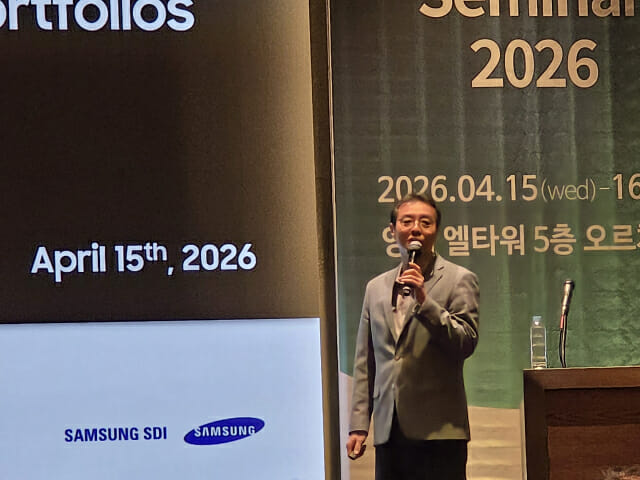
Lee Seung-woo stated that Samsung SDI is targeting a mass production announcement by 2026, contingent on internal review approval. The company is positioning AI data center UPS systems as the primary initial market segment, leveraging sodium-ion batteries’ fire safety and reliability advantages for mission-critical power applications. Lee explained that stable power delivery to AI data centers requires batteries with exceptional safety profiles—a strength where sodium-ion technology demonstrates clear advantages over LFP alternatives.
Samsung’s cautious approach reflects competitive concerns: rapid sodium-ion battery adoption could cannibalize LFP sales at a time when Samsung SDI is preparing large-scale LFP production capacity. Lee acknowledged this tension, noting that the company is deliberately concentrating initial sodium-ion deployment in UPS applications to minimize direct competition with its own LFP business segment.
LG Energy Solution’s 2025 Mass Production Target
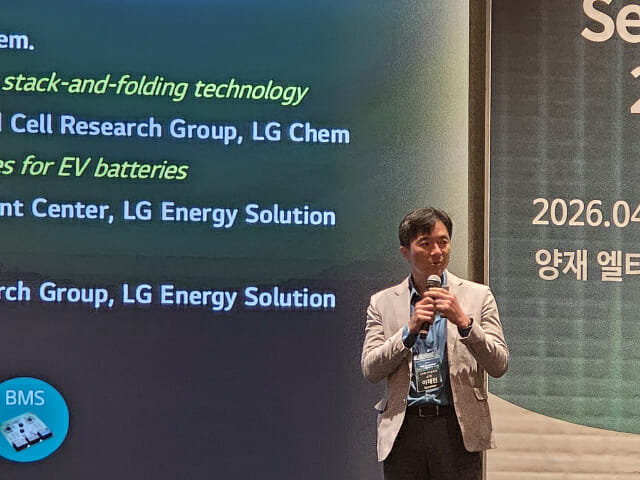
LG Energy Solution is pursuing a more aggressive timeline, targeting first-generation sodium-ion battery mass production in 2025. Executive Director Lee Jae-hyun outlined three primary market segments: lead-acid battery replacement, 12/24-volt automotive electrical systems, and UPS applications. LG’s portfolio approach diversifies commercialization risk by targeting multiple customer categories rather than concentrating on a single application.
Lee Jae-hyun emphasized that LG is investing substantial resources in sodium-ion development and actively collaborating with customers on integration and deployment. However, LG does not anticipate complete market displacement of LFP by sodium-ion technology; instead, both chemistries are expected to coexist in different market niches based on application requirements and cost structures.
Supply Chain Maturity and Cost Competitiveness
The primary factor limiting immediate sodium-ion commercialization is cost competitiveness. LFP batteries currently maintain a significant price advantage due to mature, stable supply chains that have transitioned into oversupply conditions. In contrast, sodium-ion battery supply chains remain in early-stage development, with raw material and component sourcing not yet optimized for cost efficiency.
Industry analysts project a potential reversal of this cost relationship within the medium term. As lithium prices rise and lithium-ion battery production costs increase, combined with expanded sodium-ion supply chain maturity, sodium-ion batteries are expected to achieve price parity or cost advantages relative to LFP. This supply-side evolution would accelerate market adoption and shift competitive dynamics in favor of sodium-ion technology.
Market Application Strategy and Timeline
Both Samsung SDI and LG Energy Solution are strategically sequencing market entry to avoid direct LFP competition during the early commercialization phase. UPS systems for data centers and AI infrastructure represent the initial beachhead—a market segment where sodium-ion’s superior fire safety and reliability characteristics justify a potential price premium. Secondary applications (lead-acid replacement, automotive 12/24V systems) offer volume opportunities once manufacturing scale improves and costs decline.
The convergence of South Korean battery manufacturer announcements signals industry confidence that sodium-ion technology has transitioned from experimental to commercially viable status. Samsung’s 2026 mass production target and LG’s 2025 timeline suggest that meaningful market deployment could begin within 12–18 months, fundamentally reshaping the competitive landscape for battery technology in Asia and globally.
Frequently Asked Questions
Q: How does sodium-ion battery performance compare to LFP batteries?
According to Samsung SDI Vice President Lee Seung-woo, sodium-ion batteries maintain performance consistency even at high charge speeds—unlike LFP batteries, which experience energy capacity degradation under rapid charging. Samsung’s sodium-ion design also delivers superior fire safety, longer battery cycle life, and output performance advantages in certain operational ranges compared to LFP.
Q: When will South Korean battery manufacturers begin mass production of sodium-ion batteries?
LG Energy Solution is targeting first-generation mass production in 2025, with initial focus on lead-acid replacement, 12/24-volt automotive systems, and UPS applications. Samsung SDI is targeting a mass production announcement in 2026, initially concentrating on AI data center UPS systems.
Q: Why is sodium-ion technology less expensive than lithium-ion batteries?
Sodium is significantly more abundant and lower-cost than lithium, and sodium-ion battery production does not require the specialized mining and processing infrastructure that lithium extraction demands. However, current LFP batteries remain cheaper due to their mature, oversupplied supply chains, while sodium-ion supply chains are still in early development stages.
Disclaimer: The information on this page may come from third parties and does not represent the views or opinions of Gate. The content displayed on this page is for reference only and does not constitute any financial, investment, or legal advice. Gate does not guarantee the accuracy or completeness of the information and shall not be liable for any losses arising from the use of this information. Virtual asset investments carry high risks and are subject to significant price volatility. You may lose all of your invested principal. Please fully understand the relevant risks and make prudent decisions based on your own financial situation and risk tolerance. For details, please refer to
Disclaimer.


