Federal Reserve board member Barr warns stablecoins of hidden risks such as bank runs and money laundering, emphasizing that the GENIUS bill is only a starting point—the real key is regulatory details and cross-agency coordination.
Barr warns of risks hidden in stablecoins; regulation cannot stop at legislation
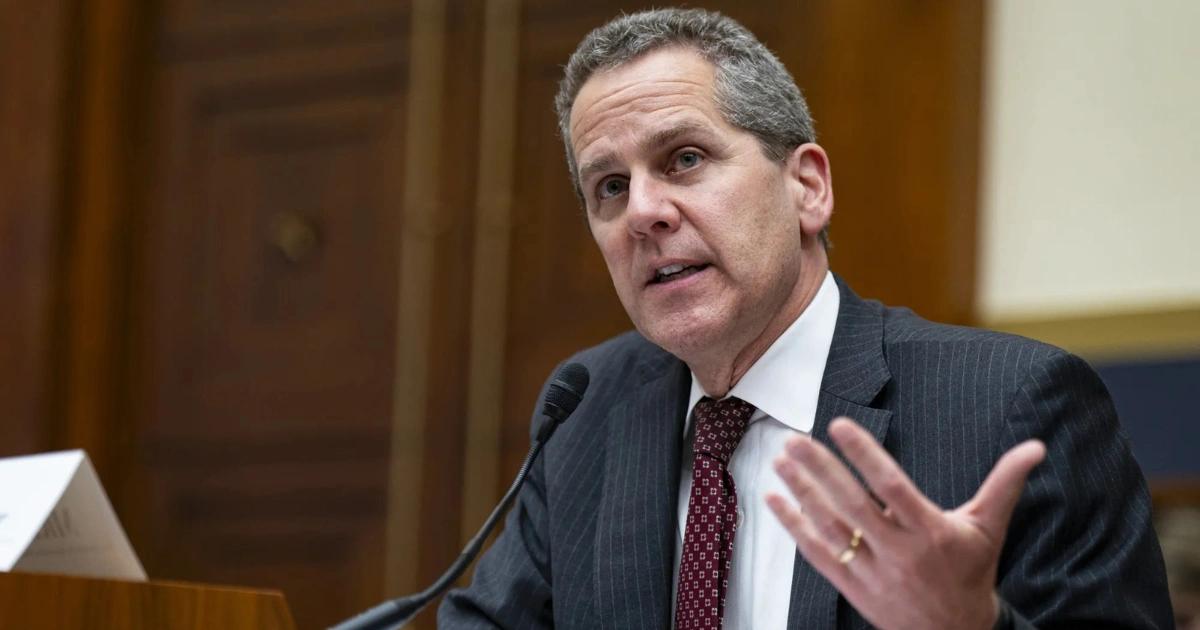
Federal Reserve board member Michael Barr recently said in a public speech that although stablecoins are viewed as an important digital-asset market infrastructure, without strict regulation and institutional design, they may still repeat the history of past “private currency failures.” He said bluntly that markets have repeatedly seen financial turmoil caused by insufficient regulation. If stablecoins do not build adequate safeguards, they could trigger similar risks again.
Barr specifically mentioned that although the “GENIUS Act” has established an initial legal framework for stablecoins, it has not eliminated the fundamental problem. He emphasized that the real key is not the bill itself, but how regulatory agencies translate it into specific, enforceable rules—otherwise, the system may still have loopholes.
Stablecoin core risk lies in reserve assets and redemption capacity
Barr said that whether a stablecoin can maintain “stability” depends on whether it can redeem at a 1:1 value immediately under any market conditions. This is not only about the issuer’s asset management capability, but also closely tied to the quality and liquidity of the reserve assets.
He warned that even government bonds perceived as safe may still face liquidity problems in stressed market conditions, thereby affecting the stablecoin’s redemption ability. Once market confidence wavers, a high likelihood of bank-run risk emerges—similar to what happened to money market funds during the financial crisis. In addition, Barr also pointed out that issuers themselves have incentives to pursue yield, which may lead them to take on higher risks in asset allocation to improve returns, further undermining stablecoins’ safety.
Money laundering and illicit capital risks still need to be addressed
In addition to financial stability issues, Barr also focused on the flow of illicit funds. He said that stablecoins can circulate freely in secondary markets, and that some transactions may lack user identity verification, making them a potential tool for money laundering and financing illegal activities.
He believes that relying solely on traditional regulatory mechanisms is insufficient to address these risks. In the future, it will be necessary to combine regulations and technological measures—such as on-chain monitoring and compliance tools—to effectively reduce the potential for misuse.
These risks have also become one of the key points of contention in U.S. legislative discussions, and they further affect the progress of another market-structure bill, the “CLARITY Act.”
Even with the bill, key details are still needed; regulatory coordination is the key
In closing, Barr emphasized that the GENIUS Act is only a starting point—the real challenge lies in subsequent details rulemaking and cross-agency coordination. He said that several key issues are still not clearly defined, including reserve-asset regulatory standards, capital and liquidity requirements, consumer protection mechanisms, and limits on the business scope of issuers.
At the same time, he warned that if different regulators or state governments adopt inconsistent standards, it could lead to “regulatory arbitrage,” causing some businesses to move to more permissive jurisdictions, which in turn would increase systemic risk.
As stablecoins gradually expand from trading tools to scenarios such as cross-border payments, corporate treasury management, and trade finance, their role in the financial system is rapidly growing. How to strike a balance between promoting innovation and maintaining stability will become the core issue in the next phase of U.S. regulatory policy.
Disclaimer: The information on this page may come from third parties and does not represent the views or opinions of Gate. The content displayed on this page is for reference only and does not constitute any financial, investment, or legal advice. Gate does not guarantee the accuracy or completeness of the information and shall not be liable for any losses arising from the use of this information. Virtual asset investments carry high risks and are subject to significant price volatility. You may lose all of your invested principal. Please fully understand the relevant risks and make prudent decisions based on your own financial situation and risk tolerance. For details, please refer to
Disclaimer.


