What Does Non-Fungible Mean?
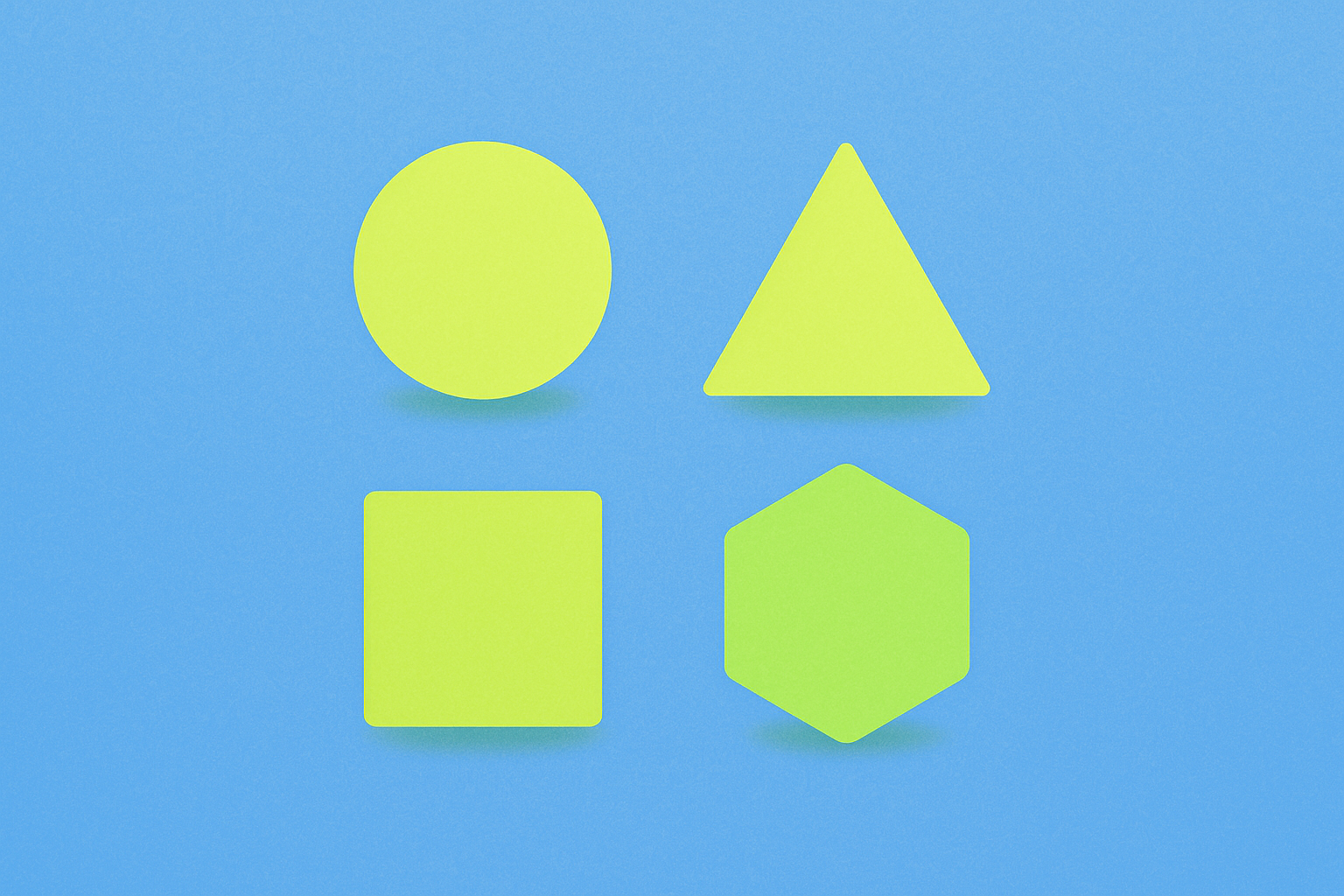
Non-fungible refers to the property of an asset where each unit is unique and cannot be exchanged on a one-to-one basis.
The focus is on “uniqueness.” Within a collection, every item has a distinct identifier or attributes, and their values are not entirely the same. Unlike fungible assets like cash or Bitcoin—which are interchangeable on a one-to-one basis—non-fungible assets are valued based on their individual properties. In the crypto space, the most common form of non-fungible assets is NFTs (Non-Fungible Tokens), which use blockchain technology to record unique identifiers and ownership, enabling public verification and free transferability.
Why Does Non-Fungibility Matter?
Non-fungibility shapes the way digital asset ownership, trading, and identity work, revolutionizing how creators, gamers, and brands operate in the digital economy.
For creators, non-fungibility allows works to be minted as tradeable digital goods, with the potential to set royalties for ongoing earnings. For gamers, in-game items truly belong to them, remaining accessible and transferable even after leaving a particular platform. For brands, membership cards, event tickets, and collectibles can be distributed in a verifiable manner, reducing counterfeiting and scalping.
It’s also important to recognize the risks. Non-fungible assets tend to have highly dispersed price distributions and may lack liquidity; their valuation relies heavily on specific attributes and community recognition. Beginners must learn to identify fake contracts and avoid unreasonable promises.
How Does Non-Fungibility Work?
Non-fungibility leverages blockchain’s public ledger and smart contracts to assign each asset a unique identifier and record its ownership.
Step 1: Minting. Creators or projects “mint” an asset via a smart contract, generating a unique token ID and linking it to metadata (such as images, descriptions, or attributes).
Step 2: Holding. Buyers receive the asset in their wallet—a digital cardholder that displays holdings and allows anyone to verify on-chain transactions.
Step 3: Trading. Assets are listed, bought, sold, and transferred on the marketplace, with prices determined by buyers and sellers. Smart contracts can set royalties that automatically pay creators a percentage of each sale.
Step 4: Usage. Some assets go beyond display; for example, event tickets can be verified at venues, membership cards unlock perks, and game items can be used across multiple games.
A technical detail is metadata storage. Some projects keep metadata fully on-chain—more secure but costlier—while others use decentralized storage solutions like IPFS or hybrid approaches. Buyers should always check storage methods before purchasing.
How Does Non-Fungibility Appear in the Crypto World?
Key use cases include collectibles, gaming assets, tickets and memberships, as well as financial applications like lending or index products.
In NFT marketplaces, art collections and avatar series remain mainstream. Trading is often referenced against the “floor price” (the lowest listing in a collection), but items with rare traits command premiums. On Gate.com’s NFT section (Magic Box), you’ll find limited edition releases, blind boxes, and secondary market trading, with contract addresses, supply data, and transaction histories clearly displayed.
In GameFi, non-fungibility appears in characters, equipment, land parcels, and more—enabling cross-game ownership and trading. Players shift from “renting account assets” to “wallet-based ownership,” granting freedom to trade across platforms.
For tickets and memberships, organizers mint each ticket as a non-fungible asset with a unique seat number; authenticity is verified via QR codes at events. Brand membership cards can offer tiered privileges and expiration rules.
On the financial side, some platforms support using non-fungible assets as collateral for loans or bundling assets into indexes or vaults—helping reduce pricing uncertainty but introducing new liquidation and valuation risks.
How to Buy Non-Fungible Assets?
You can purchase these assets on NFT-enabled trading platforms—attention to detail is vital throughout selection, verification, payment, and storage.
Step 1: Prepare your account and funds. Register on Gate.com, complete identity verification, then deposit or purchase stablecoins such as USDT.
Step 2: Access the NFT section. Browse collections on Gate.com’s NFT platform (Magic Box), using filters to view supply, floor prices, and recent trades.
Step 3: Verify contract and metadata. Open collection details to confirm the contract address matches the official announcement. Review the creator information, royalty settings, and metadata storage method (on-chain or IPFS).
Step 4: Select and make an offer. Evaluate items based on attributes, rarity, and trade history; you can buy outright or submit an offer. Be mindful of platform service fees and potential gas fees.
Step 5: Sign and store safely. Complete the purchase using an internal or external wallet for signature approval; after settlement, assets appear in your account or wallet. Enable account security features and back up your wallet’s recovery phrase.
Step 6: Ongoing management. Regularly check collection announcements and community updates to avoid phishing links. If planning to resell, monitor floor prices and market depth to avoid steep discounts in low-liquidity periods.
Recent Trends and Notable Data in Non-Fungibles
The market has shown structural divergence this year, with trading volume and activity levels varying significantly across sectors.
According to Q3 2025 data dashboards (NFTGo, CryptoSlam, Dune Analytics), total trading volume over the past six months has rebounded compared to all of 2024—monthly volumes fluctuate in the “multi-billion USD” range. The share of art and avatar NFTs has declined while gaming assets and utility tickets have grown in prominence.
On-chain distribution shows Ethereum maintaining dominance with roughly 70%-80% of total trading volume this year; Bitcoin-related non-fungible assets (like inscription collectibles) now account for about 10%-20%, with sharp fluctuations during peak periods. Ethereum blue-chip collections saw quarter-on-quarter market cap increases of around 10%-20% in Q2-Q3 2025, though performance varied widely between collections.
In terms of users and transactions, gaming NFT collections recorded faster trade growth than art NFTs over the past year. Some on-chain games posted double-digit percentage increases in monthly active wallets between Q2 and Q3 2025. Ticketing and membership NFTs experienced transaction peaks during major event seasons, showing clear cyclicality.
Compared to 2024, one notable shift is more projects emphasizing “utility” and regulatory compliance; speculative hype-driven collections have cooled. Depth in secondary markets remains uneven—newcomers should monitor trade distribution and slippage risks carefully.
What’s the Difference Between Non-Fungible and Fungible?
The core difference lies in “interchangeability.” Each non-fungible item is distinct and priced individually; every fungible unit is identical and mutually interchangeable.
For example: USDT is fungible—one token is no different from another. A concert ticket for Section A Row 12 Seat 18 is non-fungible—it has a unique seat number. In trading terms, fungible assets typically achieve unified market prices with high liquidity; non-fungible assets have more dispersed pricing, require specific buyer interest and community recognition, and demand careful research and patience.
Key Terms
- Non-Fungible Token (NFT): A unique token that cannot be exchanged on a one-to-one basis; commonly used for digital art, gaming assets, etc.
- Smart Contract: Self-executing code on a blockchain that enables transactions or asset transfers without intermediaries.
- Blockchain: Distributed ledger technology that secures transaction records using cryptography and consensus mechanisms.
- Gas Fee: The cost paid to execute transactions or smart contracts on a blockchain network; used to incentivize miners or validators.
- Wallet Address: A user’s unique identifier on the blockchain for sending and receiving digital assets.
FAQ
Are NFTs and Non-Fungibility the Same Thing?
NFT stands for Non-Fungible Token—a type of unique digital asset on a blockchain. Non-fungibility is a broader concept that covers anything irreplaceable or unique; NFTs are simply the crypto-specific application of non-fungibility. In short: all NFTs are non-fungible assets but not all non-fungible assets are NFTs.
Where Can I Trade Non-Fungible Assets?
Major crypto exchanges like Gate support NFT and non-fungible token trading. There are also dedicated NFT marketplaces such as OpenSea and Magic Eden. Asset types, user base size, and fee structures vary by platform—choose based on what you want to trade. Beginners can start with regulated platforms like Gate.com to learn the process.
What Should I Do If My NFT Loses Value?
Like traditional investments, NFTs can fluctuate in price. If your NFT depreciates, you can hold for potential recovery or sell at a lower price to minimize losses. Avoid buying at hype-driven peaks—assess value and liquidity carefully before purchasing. Research project background and community activity to avoid getting trapped by speculation.
Are Non-Fungible Assets Suitable for Regular Investors?
Non-fungible assets often exhibit low liquidity and high price volatility; investors need strong risk tolerance and judgment skills. Start by learning the basics—use small amounts on platforms like Gate.com to gain experience before committing more capital. Always invest only what you can afford to lose; never go all-in on a single project.
How Can I Identify Scams or Risky Projects in Non-Fungible Assets?
Beware of projects promising quick riches, lacking transparent team information, or with suspiciously low community activity. Check official websites, social media channels, and audit reports; confirm that smart contracts have undergone security audits. Trading on reputable platforms like Gate.com offers extra safety thanks to project screening processes. Never send funds or reveal your private key under pressure—these are clear signs of scams.