As blockchain technology advances, a growing number of applications are being deployed across various networks—from Decentralized Finance (DeFi) and on-chain gaming to identity verification and data services—driving rapid expansion in the blockchain ecosystem. Traditional public chains, however, mostly rely on single-chain architectures. As user and application numbers rise, limitations such as insufficient throughput, transaction congestion, and higher trading fees become increasingly apparent. Additionally, the independence of different chains makes direct asset and data circulation difficult, fragmenting the blockchain ecosystem into isolated silos.
To solve these challenges, the industry has begun exploring multi-chain architectures, with Polkadot (DOT) standing out as a leading example. Polkadot leverages its Relay Chain and Parachain mechanisms to enable multiple blockchains to operate in parallel within a shared security environment, allowing for seamless cross-chain interoperability. Parachains are central to Polkadot’s scalability and cross-chain communication capabilities. Understanding how Parachains function is key to seeing why Polkadot is a major force in cross-chain infrastructure.
What Is a Parachain in Polkadot?
A Parachain is an independent blockchain within the Polkadot network, connected to the Polkadot Relay Chain and sharing the security of the entire network. Each Parachain can implement its own business logic, token design, and governance mechanism—without the burden of maintaining an independent validator system.
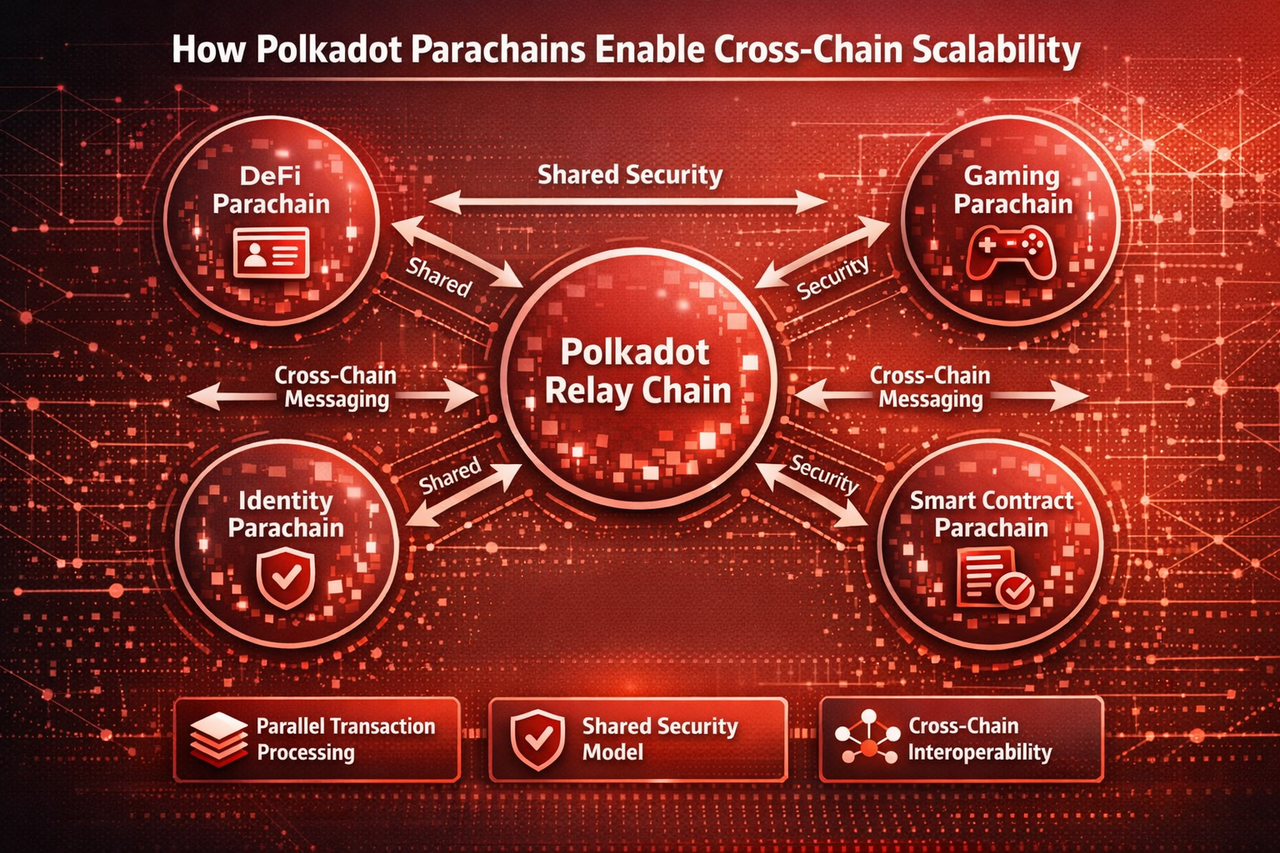
This structure allows project teams to focus on developing their own applications, while Polkadot centrally manages network security. This marks a significant departure from traditional public chain models, where each chain must build its validator network from scratch—consuming resources and raising security maintenance costs. In Polkadot, Parachains benefit from the Relay Chain’s security, dramatically lowering the barrier for launching new chains.
Crucially, Parachains are not isolated. All Parachains operate within Polkadot’s unified framework, enabling protocol-based data and asset exchange between chains. Polkadot is not just “multiple chains coexisting,” but a truly collaborative multi-chain network.
Why Does Polkadot Need Parachains?
Polkadot introduced Parachains to overcome the limitations of single-chain architectures, which struggle to balance scalability, security, and flexibility. On traditional public chains, all transactions are processed on a single chain, creating throughput bottlenecks as user numbers grow. Even increasing block size or processing speed cannot fundamentally resolve these scalability constraints.
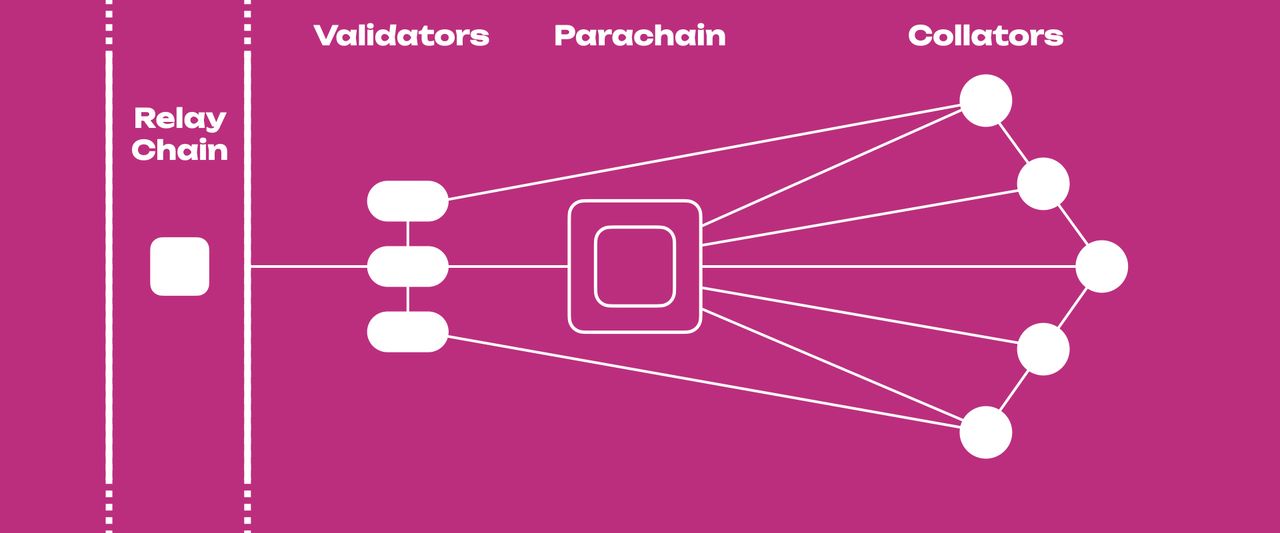
Parachains are designed to distribute different applications across separate chains, with each chain handling its own logic while the Relay Chain manages security and consensus. This enables applications to run in parallel on different Parachains, greatly enhancing the network’s processing power.
Different blockchain applications also have varying requirements. For example, DeFi demands high-frequency trading support, while identity systems prioritize data privacy and verification efficiency. Parachains allow each chain to be tailored to its specific use case, free from the constraints of a single main chain—delivering greater flexibility for diverse blockchain solutions.
How Do Parachains Work?
Parachains operate on Polkadot’s Relay Chain architecture. The Relay Chain provides network-wide consensus and security, while Parachains handle their individual business logic. When a Parachain produces a new block, it submits the block candidate to the Relay Chain for validation. Once verified, it is incorporated into the network state.
This approach separates responsibilities: the Relay Chain manages security and coordination, while Parachains focus on execution and business logic. Because multiple Parachains can operate simultaneously, the Polkadot network processes large volumes of transactions in parallel—eliminating the bottlenecks of single-chain systems and boosting overall throughput.
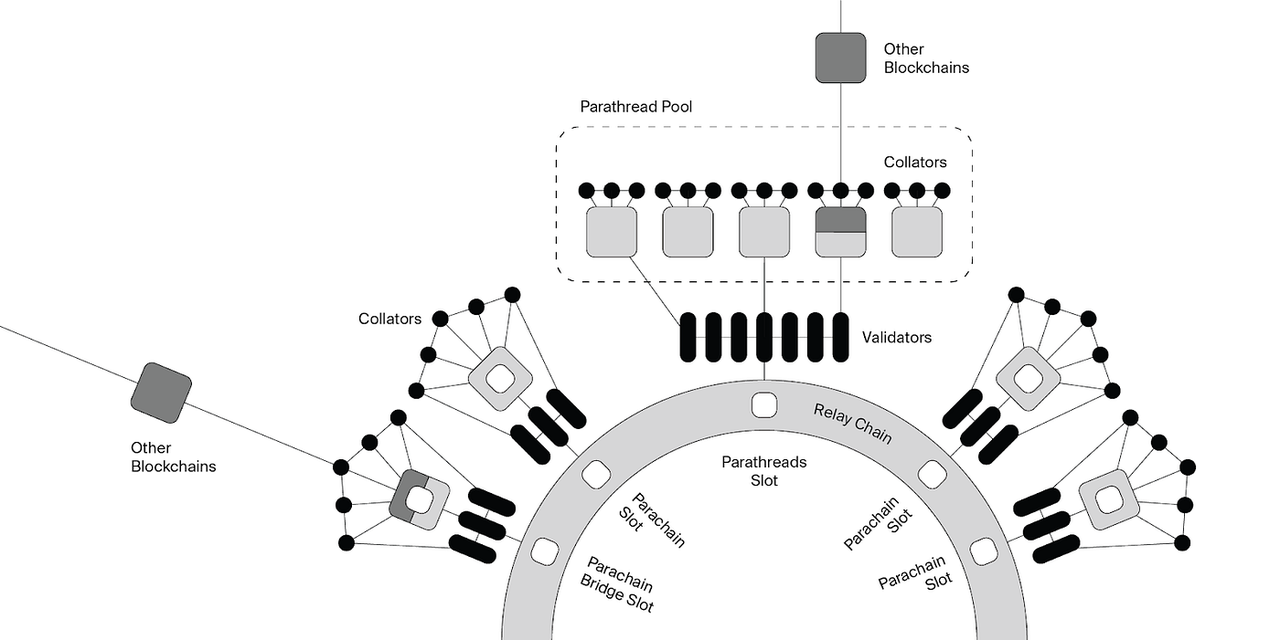
Polkadot also enables Parachains to communicate via a cross-chain messaging mechanism. This allows an application on one Parachain to interact with data or assets on another, fostering real collaboration. This cross-chain messaging is a defining feature that sets Polkadot apart from traditional multi-chain architectures.
How Do Parachains Achieve Cross-Chain Scalability?
Parachains deliver cross-chain scalability through two core mechanisms: parallel execution and inter-chain communication.
First, multiple Parachains can process transactions simultaneously, distributing the workload that would otherwise bottleneck a single chain. This parallelism dramatically increases network throughput and reduces congestion risk—especially critical for high-performance applications like DeFi and gaming.
Second, Parachains communicate directly using Polkadot’s cross-chain messaging protocol, enabling seamless asset and data transfers between chains. This approach eliminates reliance on third-party bridging protocols, improving efficiency and reducing risk.
By combining these mechanisms, Polkadot achieves both scalability and interoperability, empowering blockchains to run in parallel and collaborate—delivering true cross-chain expansion.
What Is a Parachain Slot Auction?
Polkadot limits the number of available Parachain slots, so projects must compete for access via Slot Auctions. Teams typically lock a specified amount of DOT to bid for Parachain slots, gaining operational rights for the duration of the lease period.
This auction system ensures orderly allocation of network resources and prevents performance issues from unchecked Parachain growth. For projects, securing a slot means joining Polkadot’s shared security system; for DOT, Slot Auctions generate long-term staking demand.
Slot Auctions are a major driver of Polkadot (DOT) token value. As the ecosystem expands and demand for slots rises, the need to lock DOT increases accordingly.
What Are the Core Advantages of Parachains?
Parachains offer two primary advantages: shared security and scalability. Shared security means projects do not need to build validator node networks from scratch, reducing both the cost and complexity of securing their chain. This allows developer teams to focus on application innovation instead of underlying security maintenance.
Scalability is also enhanced, as multi-chain parallel processing boosts network throughput and enables Polkadot to support more applications simultaneously. Compared to single-chain models, this architecture is better suited for large-scale, diverse blockchain deployments.
Parachains also deliver exceptional flexibility. Each chain can customize its rules and features to fit its business needs, combining the independence of a public chain with the benefits of shared network resources.
What Are the Limitations of Parachains?
Despite their strengths, Parachains do have limitations. The number of slots is capped, so projects must bid for resources—raising the barrier to entry, especially for smaller teams with limited capital.
Polkadot’s architecture is also complex, requiring developers to understand the Relay Chain, Parachains, and cross-chain messaging. This steeper learning curve can slow ecosystem growth.
Finally, competition in cross-chain infrastructure is fierce, with alternatives like Cosmos (ATOM) offering different multi-chain models. Parachains must continue to prove their advantages in this competitive landscape.
Summary
Parachains are the foundation of Polkadot’s (DOT) multi-chain scalability and cross-chain interoperability. Through shared security and parallel execution, Parachains allow multiple blockchains to operate efficiently within a unified framework, enabling seamless data and asset transfer across chains.
This architecture not only enhances blockchain scalability but also lowers the barrier for new chains to achieve robust security. While resource limitations and market competition remain, Parachains provide a crucial direction for multi-chain infrastructure and are a key pillar of Polkadot’s ecosystem value.
FAQs
What Is a Parachain?
A Parachain is an independent blockchain connected to the Polkadot Relay Chain. It shares network security and supports cross-chain communication.
How Do Parachains Improve Scalability?
By enabling multiple Parachains to process transactions in parallel, network throughput increases significantly and congestion is reduced.
How Do Parachains Achieve Cross-Chain Communication?
Parachains exchange data and assets using Polkadot’s cross-chain messaging protocol.
Why Are Slot Auctions Necessary?
Because Parachain slots are limited, projects must acquire access through auctions, ensuring fair and efficient resource allocation.
What Is the Core Value of Parachains?
Parachains’ core value lies in shared security, parallel scalability, and seamless cross-chain interoperability.







