Trump Signals Imminent Fed Chair Decision Amid Intensifying Policy Pressure
Trump Signals New Federal Reserve Chair Appointment
The spotlight in U.S. politics has shifted once again to the leadership of the Federal Reserve. During a cabinet meeting on December 3, Trump announced plans to formally name a new Federal Reserve Chair early next year, with only one final candidate left to evaluate. He also disclosed that Treasury Secretary Besant has declined the position, expressing a preference to remain in his current role.
White House Meeting Hints: Top Contender Comes to Light
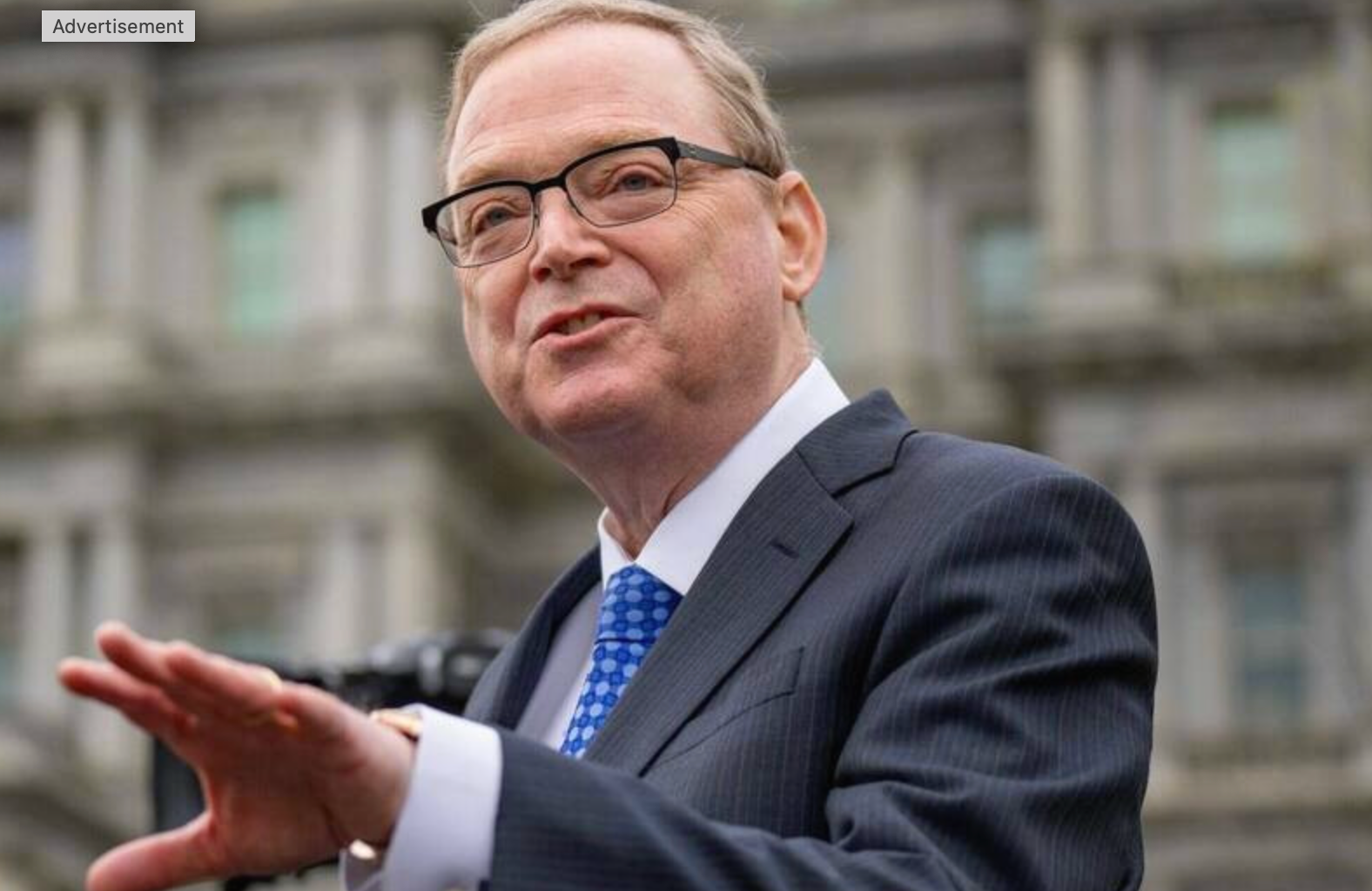
(Source: Bloomberg)
At a subsequent White House meeting, Trump’s introduction of Hassett included a pointed hint, suggesting the next Federal Reserve Chair could be present. This has led most observers to believe that Kevin Allen Hassett, Director of the National Economic Council, is now the leading candidate. Hassett has consistently aligned with Trump’s policy agenda and openly supports a more aggressive approach to interest rate cuts, making him the most politically compatible choice.
Mounting Criticism of Current Chair Powell
This appointment process extends beyond simple administration. Trump has once again publicly singled out current Chair Powell, criticizing his cautious stance on interest rates. He even referenced comments from JPMorgan Chase’s CEO, asserting that Powell should lower rates. This sustained and intense pressure has continued for months, signaling the White House’s push to accelerate rate cuts in order to stimulate the economy and stimulate asset markets.
Policy Agenda: Political Momentum Driving Calls for Rate Cuts
Trump’s repeated public statements make it clear he is pressing the Federal Reserve to adopt a more accommodative monetary stance. Lower interest rates can boost employment, enhance corporate financing and investment, and typically result in stronger economic performance—all outcomes with significant political stakes for his administration.
Fed Independence at Risk If White House Insiders Take the Helm
Hassett’s willingness to endorse aggressive rate cuts and challenge the Federal Reserve’s current policy framework is a major reason he’s seen as the most probable pick. Should he assume the role, the Federal Reserve could shift closer to the administration’s policy direction, rather than relying strictly on independent economic analysis.
Many in the market fear this could erode the central bank’s independence, making monetary policy more vulnerable to political cycles and increasing uncertainty across the global financial system.
To learn more about Web3, click to register: https://www.gate.com/
Summary
With Trump repeatedly signaling an imminent decision on the next Federal Reserve Chair, the trajectory of monetary policy has become a central concern for global markets. Regardless of whether the appointee is a White House insider, this selection underscores the administration’s urgent push for rate cuts and dissatisfaction with current policies. If the Federal Reserve’s independence is compromised by political influence, future rate decisions may become less predictable, exposing global financial markets to heightened volatility. For now, markets should closely monitor the upcoming appointment and prepare for potential policy shifts.
Share
Content


Related Articles

2025 BTC Price Prediction: BTC Trend Forecast Based on Technical and Macroeconomic Data

Pi Coin Transaction Guide: How to Transfer to Gate.com

Flare Crypto Explained: What Is Flare Network and Why It Matters in 2025

How to Use a Crypto Whale Tracker: Top Tool Recommendation for 2025 to Follow Whale Moves

What is N2: An AI-Driven Layer 2 Solution