


Decentralized applications (DApps) are applications that run on a blockchain or other distributed networks without relying on a single server or centralized authority. Their core lies in the automatic execution of smart contracts and the collective maintenance by multiple nodes, achieving higher levels of security, transparency, and censorship resistance. DApps are widely used across DeFi, NFT, gaming, and social platforms, characterized by open-source, autonomy, and trustlessness. However, they also face challenges such as performance limitations, user experience, and regulatory compliance.
With Gate’s official tutorials and tools, you can easily explore, interact with, and configure your DApp development environment in just a few minutes—stepping quickly into the Web3 era.
What is a DApp?
A Decentralized Application (DApp) is software running on a blockchain or distributed ledger network.
Unlike traditional centralized applications (Apps), DApps execute their core logic through on-chain smart contracts and maintain state collectively through multiple nodes. Users can interact directly without relying on intermediaries, significantly reducing trust risks.
DApps are typically open source, allowing anyone to inspect the code and deployed contracts. They often adopt token-based incentive mechanisms to enable autonomous governance and community participation.
Core Features of DApps
Open Source
DApp smart contracts and front-end code are usually hosted on public repositories, enabling community audits and contributions to improve transparency and security.
Decentralization
Application states and business logic are stored and executed across multiple nodes, preventing single points of failure and reducing censorship risks.
Self-Executing Smart Contracts
Smart contracts are pieces of code deployed on the blockchain that execute automatically when specific conditions are met, ensuring immutability and traceability of transactions.
Token Economic Incentives
Many DApps integrate native tokens used for service fees, staking, governance, or rewarding contributors, forming a sustainable and self-reinforcing economic model.
Architecture of DApps
The typical DApp architecture includes four main layers:
- Blockchain Network Layer – Handles data storage and consensus, e.g., Ethereum, BSC, Solana, etc.
- Smart Contract Layer – Hosts business logic and state machines on-chain, enabling core functions and automatic execution.
- Middleware / API Layer – Provides off-chain services such as indexing, message push, authentication, and analytics to optimize performance and user experience.
- Front-End Interface – Web or mobile interface that interacts with smart contracts through libraries like Web3.js or Ethers.js.
Common DApp Types and Examples
| Type | Example | Application Scenario |
|---|---|---|
| DeFi | Uniswap, Aave, Compound | Decentralized trading, lending, and yield farming |
| NFT Platforms | OpenSea, Rarible | Minting and trading of digital artworks |
| Blockchain Games | Axie Infinity, Gods Unchained | Play-to-Earn, ownership of virtual assets |
| Social Media | Lens Protocol, Steemit | Decentralized content creation and distribution |
| Decentralized Identity | ENS (Ethereum Name Service) | Blockchain domains and self-sovereign identity |
Advantages of DApps
- Security and Transparency – All transactions and contract operations are recorded on-chain, auditable, and immutable.
- Trustless Environment – Smart contracts execute automatically, reducing reliance on centralized institutions and minimizing counterparty risk.
- Censorship Resistance – Data stored on-chain is distributed, preventing any single entity from altering or shutting down applications.
- Global Accessibility – Anyone with internet access and a compatible wallet can use DApps without geographical restrictions.
Participate in DApp Usage and Development
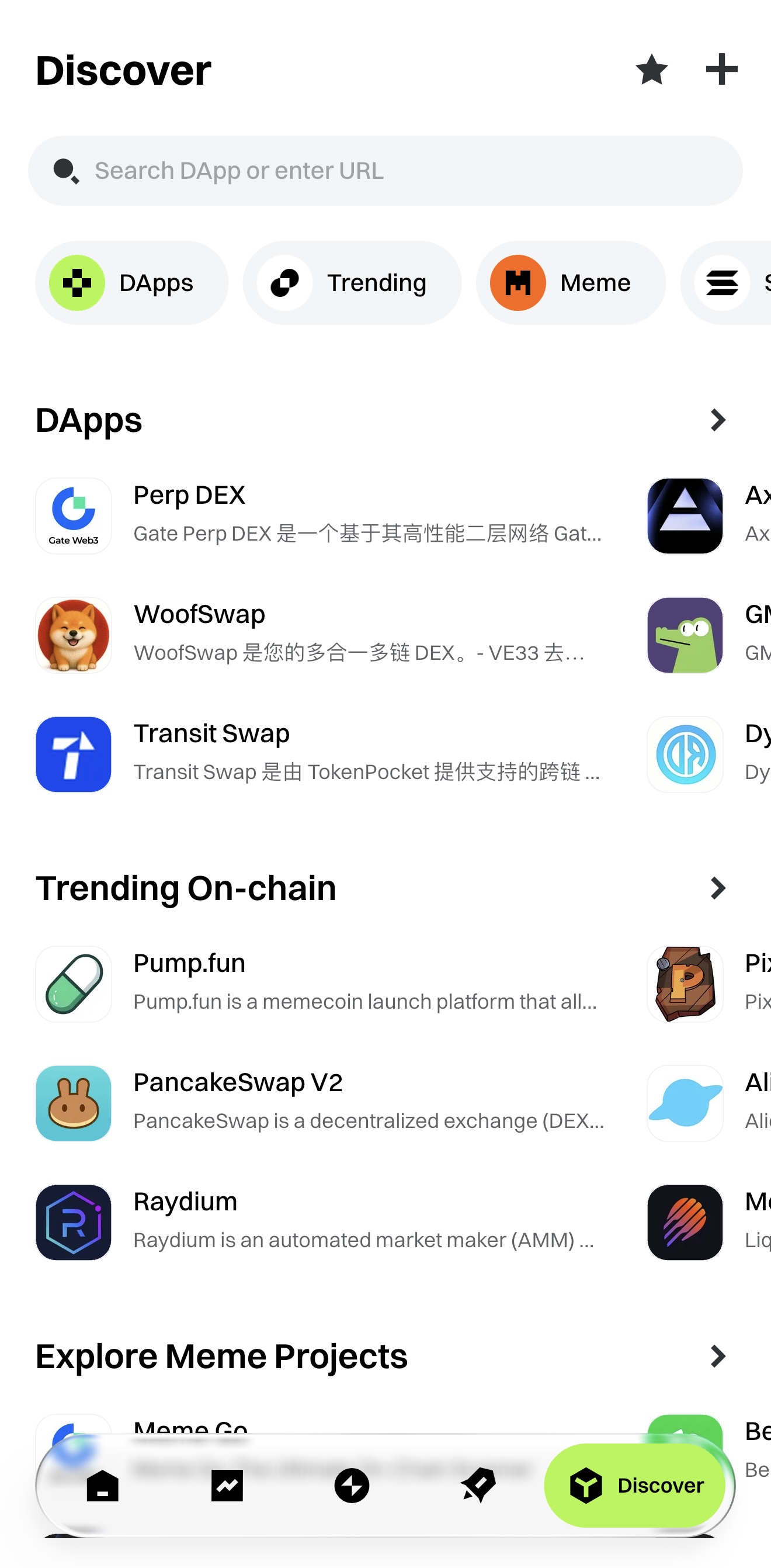
In the Gate App, navigate to the [Web3] section and connect your Web3 Wallet.
You can directly access supported DApps from the list, interact with DeFi, NFT, and GameFi applications, and sign transactions seamlessly with one tap.
Conclusion
Decentralized Applications (DApps) are revolutionizing how the internet operates by rebuilding trust and economic models through blockchain and smart contract technologies.
They empower users with security, transparency, and autonomy, despite ongoing challenges in performance and compliance.
Through Gate’s official guides and resources, you can easily connect to the DApp ecosystem, manage assets securely, and participate in decentralized governance—stepping confidently into the new era of Web3.
Disclaimer
The content provided herein is for reference and educational purposes only and does not constitute any financial, investment, trading, or legal advice, nor does it constitute an offer or solicitation to buy or sell any digital assets. Gate makes no express or implied representations or warranties regarding the accuracy, completeness, or timeliness of the information contained herein. Product features, interfaces, rules, and fee structures may be updated or adjusted at any time. Please refer to the latest announcements and the actual information displayed on the Gate platform for the most accurate details.
Digital asset investments involve significant risk, and prices may fluctuate substantially. You may lose the entire amount of your investment. Please make decisions cautiously based on your own financial situation and risk tolerance after fully understanding the associated risks. If necessary, you are advised to consult an independent professional financial or legal advisor.
For more information about potential risks, please refer to Gate's Risk Disclosure and User Agreement.
