Exploring Wrapped Bitcoin: Benefits and Usage in Decentralized Finance
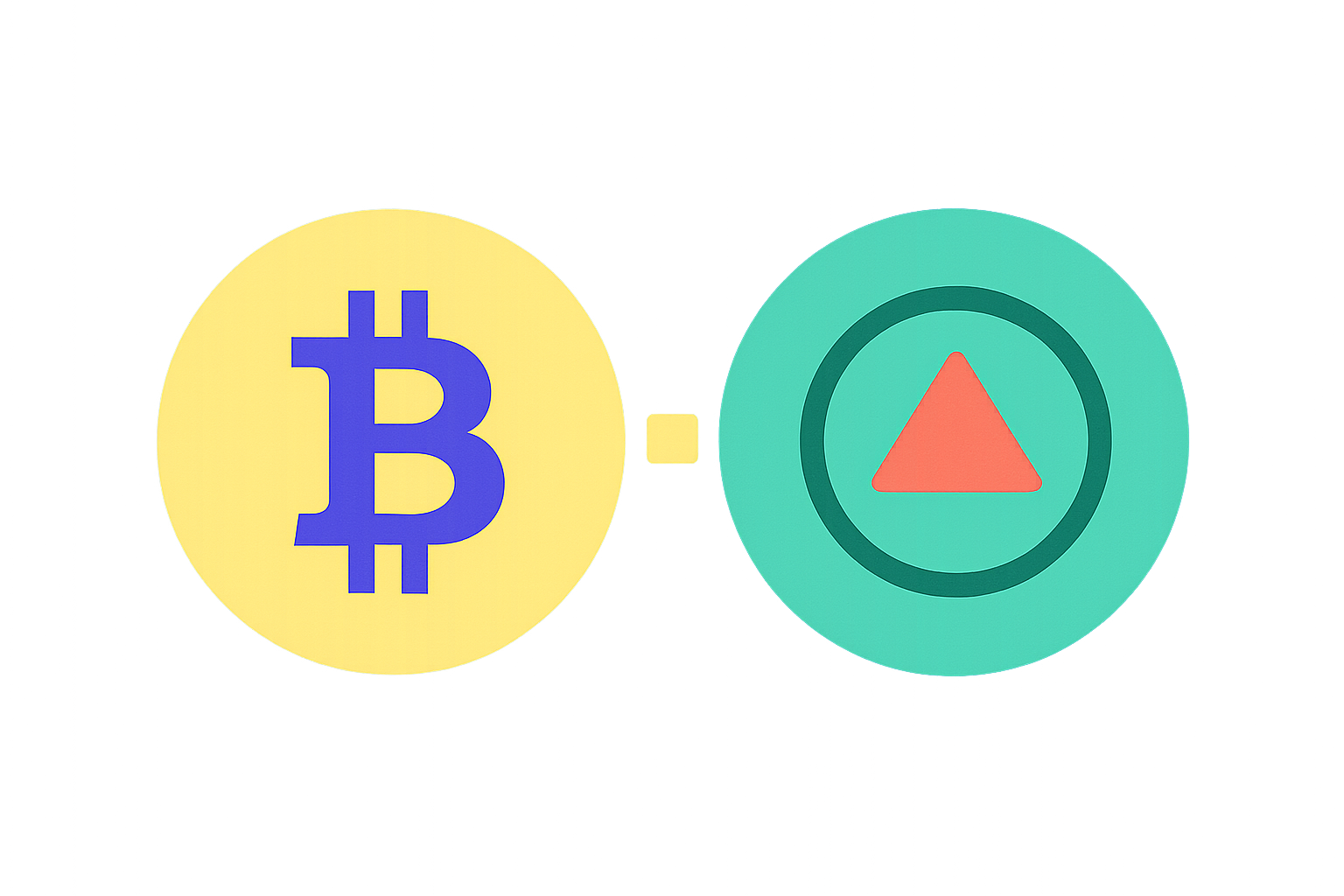
What Is Wrapped Bitcoin? How to Use It
Wrapped Bitcoin (wBTC) represents an innovative bridge between Bitcoin and Ethereum's blockchain ecosystem. As cryptocurrency markets continue to evolve, understanding the relationship between traditional Bitcoin and its wrapped counterpart has become essential for traders and investors seeking to maximize their digital asset utilization.
What is Wrapped Bitcoin? What is the difference between Bitcoin and Wrapped Bitcoin?
Wrapped Bitcoin is fundamentally a tokenized representation of Bitcoin designed to function seamlessly within Ethereum's blockchain infrastructure. The primary distinction between these two digital assets lies in their technical architecture and blockchain compatibility.
Bitcoin (BTC) operates as a native coin on its own proprietary blockchain network, functioning independently with its own consensus mechanisms and protocols. In contrast, wBTC exists as an ERC-20 token built on top of Ethereum's blockchain infrastructure. This classification difference is crucial: coins are native to their blockchains, while tokens are digital assets constructed on existing blockchain platforms.
The concept of "wrapping" involves a sophisticated technical process that enables digital assets to achieve cross-chain compatibility. Since different blockchain networks employ unique protocols and communication standards, they cannot inherently interact with one another. Wrapped Bitcoin solves this interoperability challenge by creating an Ethereum-compatible version of Bitcoin that maintains a 1:1 price parity with its original counterpart.
Introduced through a collaboration between cryptocurrency custodian BitGo and decentralized projects, wBTC operates on a collateralized system. BitGo mints new wBTC tokens only when equivalent amounts of BTC are deposited into their secure reserves, ensuring that every wBTC in circulation is backed by real Bitcoin. This mechanism guarantees that the total supply of wBTC can never exceed Bitcoin's maximum coin supply, maintaining system integrity and value preservation.
What is the purpose of Wrapped Bitcoin?
The primary purpose of Wrapped Bitcoin centers on enabling Bitcoin holders to participate in Ethereum's robust decentralized finance (DeFi) ecosystem. Ethereum's blockchain architecture supports smart contracts—autonomous, self-executing programs that power decentralized applications (dApps). These applications provide financial services without traditional intermediaries such as banks, brokers, or financial institutions.
By converting BTC to wBTC, traders gain access to numerous DeFi services including decentralized trading platforms, lending protocols, and liquidity pools. Popular DeFi platforms accept wBTC, allowing users to trade, lend, borrow, and earn interest on their Bitcoin holdings while maintaining price exposure to BTC.
Beyond DeFi accessibility, wBTC offers practical advantages in transaction efficiency. Ethereum's blockchain processes approximately 25 transactions per second (TPS), significantly outpacing Bitcoin's network capacity of about 7 TPS. This enhanced throughput translates to faster transaction confirmations and improved user experience, particularly during periods of high network activity. For traders requiring quick settlements or frequent transactions, this speed differential can provide meaningful operational benefits.
How to wrap Bitcoin
Acquiring Wrapped Bitcoin has become straightforward due to its widespread adoption across cryptocurrency trading platforms. Traders can obtain wBTC without directly interacting with BitGo's wrapping service, as numerous platforms facilitate wBTC trading.
Centralized trading platforms offer direct wBTC trading pairs, allowing users to purchase wBTC using fiat currency or other cryptocurrencies. The process involves creating an account, completing verification requirements, transferring funds from traditional banking sources or payment methods, and executing trades for wBTC through the platform's interface.
Decentralized trading platforms provide an alternative acquisition method that emphasizes user autonomy and privacy. These platforms operate directly on blockchain networks without intermediary custody, requiring users to connect compatible cryptocurrency wallets such as MetaMask or Trust Wallet. Once connected, users can swap existing cryptocurrency holdings for wBTC through peer-to-peer transactions, with tokens delivered directly to their self-custody wallets upon transaction completion.
For traders researching wBTC availability, crypto price aggregator websites provide comprehensive platform listings. These resources display all trading venues offering wBTC, complete with trading volumes, liquidity metrics, and pricing information, enabling informed decision-making about where to acquire wBTC most efficiently.
Wrapped BTC Review: Risks of using Wrapped Bitcoin
Despite its utility, a thorough wrapped BTC review reveals that Wrapped Bitcoin carries inherent risks that potential users must carefully consider. The most significant concern involves centralization and custodial dependency. BitGo serves as the primary custodian responsible for holding Bitcoin reserves and minting wBTC tokens, creating a central point of failure within an otherwise decentralized ecosystem.
Users must trust that BitGo maintains robust security practices, accurately reports reserve holdings, and possesses sufficient Bitcoin collateral to honor redemption requests. While BitGo publishes regular transparency reports documenting its reserves and issuance practices, the custodial model introduces counterparty risk absent from holding native Bitcoin.
Security incidents have demonstrated these vulnerabilities in practice. Historical breaches of Ethereum protocols utilizing wBTC have resulted in significant collateral theft. While such incidents don't necessarily indicate systemic flaws in wBTC's design, they highlight the additional security considerations associated with wrapped tokens compared to native cryptocurrencies.
When conducting a wrapped BTC review, traders must weigh these centralization and security trade-offs against wBTC's functional benefits when deciding whether to convert Bitcoin holdings into wrapped tokens.
Conclusion: Final Wrapped BTC Review
Wrapped Bitcoin represents a significant innovation in cryptocurrency interoperability, enabling Bitcoin holders to access Ethereum's extensive DeFi ecosystem while maintaining exposure to Bitcoin's value. This wrapped BTC review has examined the technical distinctions between BTC and wBTC, recognizing the purpose and benefits of wrapped tokens, and acknowledging associated risks that traders should consider when making informed decisions about incorporating wBTC into their investment strategies.
The wrapped token model demonstrates how blockchain technology continues evolving to bridge isolated networks, creating more integrated and functional cryptocurrency markets. However, users must carefully evaluate the centralization trade-offs and security considerations before converting their Bitcoin holdings, ensuring their approach aligns with their risk tolerance and investment objectives. As the cryptocurrency landscape matures, wrapped BTC remains a valuable tool for maximizing Bitcoin utility across multiple blockchain ecosystems.
FAQ
Is Wrapped Bitcoin legit?
Yes, Wrapped Bitcoin (WBTC) is legitimate. It's an ERC20 token backed 1:1 by Bitcoin, enabling BTC use on Ethereum. WBTC is widely accepted in DeFi and enhances interoperability between blockchains.
What are the risks of Wrapped Bitcoin?
Risks include smart contract vulnerabilities, regulatory changes, and Bitcoin price volatility. Custodian reliability is also a concern.
Share
Content
How to Buy Cryptocurrency


Trending Cryptocurrencies



XZXX: A Comprehensive Guide to the BRC-20 Meme Token in 2025

Bitcoin Fear and Greed Index: Market Sentiment Analysis for 2025

Top Crypto ETFs to Watch in 2025: Navigating the Digital Asset Boom

5 ways to get Bitcoin for free in 2025: Newbie Guide
Bitcoin Market Cap in 2025: Analysis and Trends for Investors
2025 Bitcoin Price Prediction: Trump's Tariffs' Impact on BTC

Xenea Daily Quiz Answer December 12, 2025
Dropee Daily Combo December 11, 2025
Tomarket Daily Combo December 11, 2025

Understanding Impermanent Loss in Decentralized Finance

Understanding Double Spending in Cryptocurrency: Strategies for Prevention