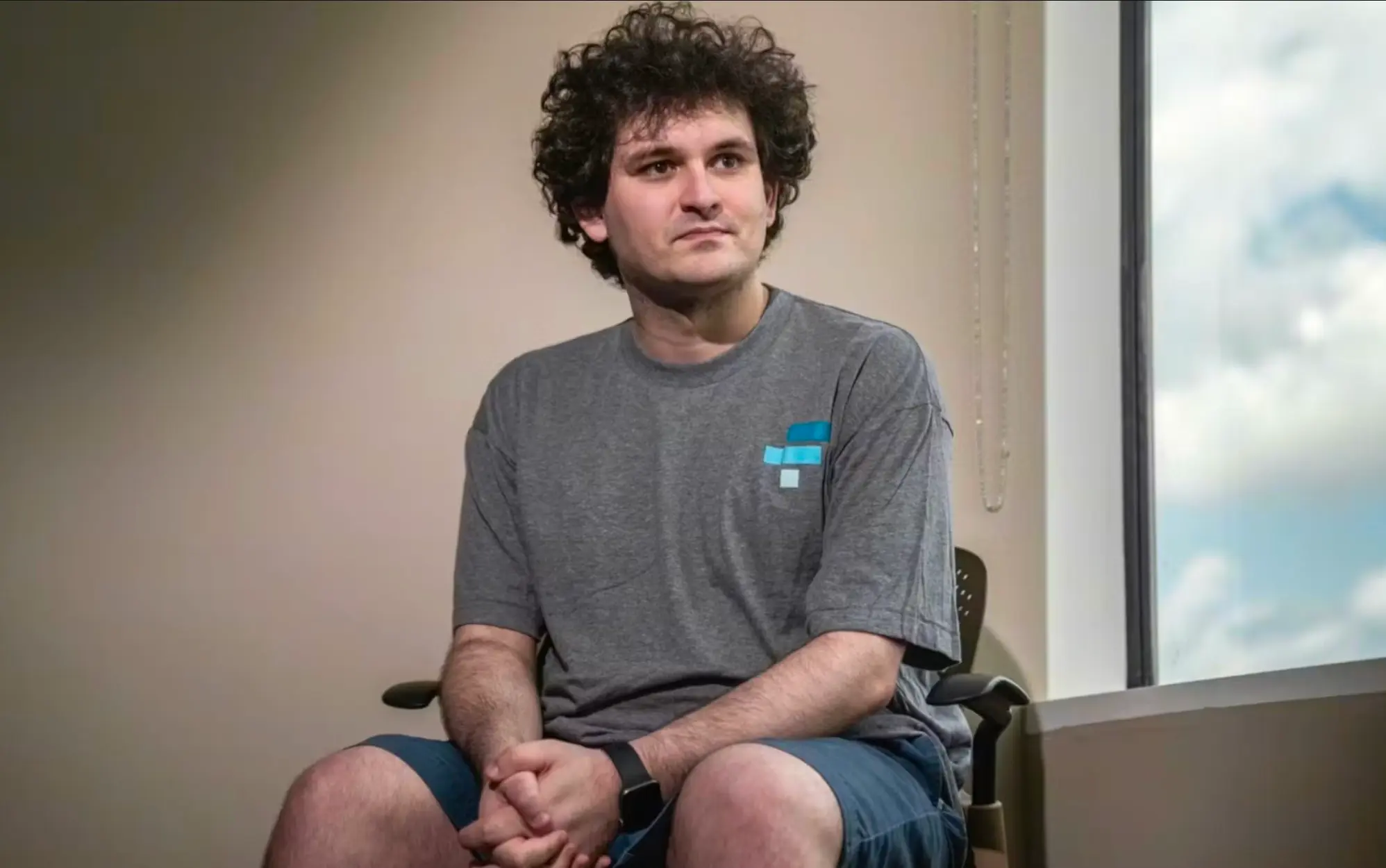
Imprisoned FTX founder Sam Bankman-Fried has initiated a public campaign on X, filing a formal motion for a new trial while alleging political persecution by the Biden administration.
His claims, which include assertions of FTX’s solvency and prosecutorial misconduct, are directly contested by court records and the established facts of his 2023 conviction. This effort represents a significant shift to a “lawfare” narrative, attempting to reframe his massive fraud case as a political vendetta. For the crypto industry, it risks reopening old wounds and undermining hard-won regulatory progress by conflating legitimate enforcement with partisan attacks.
From Prison to X: SBF’s New Public Defense Strategy
In a series of posts from prison, Sam Bankman-Fried has launched an unprecedented public defense strategy, directly addressing his millions of followers. This campaign, unfolding in early February 2026, runs parallel to a formal, pro se (self-represented) motion for a new trial filed in Manhattan federal court. The core of his narrative is a stark pivot: he is no longer just a defendant appealing a verdict, but a political prisoner targeted by the state.
Bankman-Fried frames his conviction as an act of “lawfare,” a term popularized in political circles to describe the alleged weaponization of legal systems. He explicitly links his case to broader political battles, suggesting he was targeted because he opposed SEC Chair Gary Gensler, donated to Republican causes, and became a prominent face of the crypto industry. This narrative, delivered in his own voice on social media, is designed to rally public sympathy and create external pressure on the judicial process, marking a clear departure from traditional legal appeals conducted solely through court filings.
Deconstructing the Claims: X Posts vs. Courtroom Facts
A close examination of Bankman-Fried’s statements reveals significant discrepancies with the official court record. His central claim—repeated emphatically—is that “FTX was always solvent” and that “the money was always there.” This argument was the cornerstone of his defense at trial and was decisively rejected by a jury that found he fraudulently misappropriated billions in customer funds.
Federal courts have consistently ruled that asset recoveries after a collapse, managed by bankruptcy professionals, do not retroactively prove solvency at the time of the fraud. Customer funds were demonstrably not “there” and segregated as promised; they were funneled to Alameda Research for risky ventures. Furthermore, Bankman-Fried’s claim that prosecutors “lied” about stolen funds ignores the mountain of documentary evidence and testimony, including from his inner circle, that detailed the systematic misuse of customer assets.
Key Contradictions: SBF’s Narrative vs. The Record
- On Gag Orders: SBF claims he and Donald Trump were similarly “gagged” by Judge Lewis Kaplan. The record shows Trump’s gag orders came from other judges in different cases, while SBF’s was a standard pretrial measure after he repeatedly attempted to influence witnesses.
- On Prosecutorial Actions: He claims prosecutor Danielle Sassoon was “fired” under Trump. Public records indicate she resigned over a policy dispute in an unrelated case, with no link to the FTX prosecution.
- On Witness Coercion: He alleges former FTX co-CEO Ryan Salame was coerced into pleading guilty. Salame’s own guilty plea and sentencing memos acknowledge his crimes, with no judicial finding of prosecutorial misconduct or suppressed evidence.
- On Political Donations: While claiming he was targeted for donating to Republicans, he omits his substantial donations to Joe Biden’s campaign, undermining the theory of a partisan Democratic hit job.
The Legal Gambit: Dissecting the Motion for a New Trial
The formal motion for a new trial, filed pro se on February 5, 2026, and submitted by his mother, Stanford Law professor Barbara Fried, introduces specific legal arguments. Bankman-Fried contends that two individuals who did not testify at his original trial—attorney Daniel Chapsky and former executive Ryan Salame—possess exculpatory evidence that refutes the prosecution’s narrative of FTX’s financial health at the time of its collapse.
He argues that Judge Kaplan wrongly prevented the defense from presenting evidence about FTX’s purported ability to repay customers and barred testimony about legal advice he received. Legal experts view these arguments as an uphill battle. Appellate courts grant new trials under stringent conditions, typically requiring the discovery of new, material evidence that could not have been found with due diligence before the original trial. The evidence cited by SBF appears to relate to arguments already considered and rejected during the proceedings.
Notably, Bankman-Fried has requested that a different judge be assigned to consider his motion, alleging “manifest prejudice” from Judge Kaplan. This move, while strategic, is unlikely to succeed without demonstrating clear, objective bias beyond judicial rulings that simply went against him.
The “Lawfare” Narrative: Political Victim or Legal Accountability?
This latest chapter is perhaps most defined by Bankman-Fried’s embrace of a hyper-political defense. By invoking terms like “lawfare” and tying his fate to the Biden administration’s purported “hatred” of crypto, he is attempting to transplant his legal troubles into the fertile ground of America’s culture wars. This narrative seeks to attract support from political factions skeptical of federal regulatory power, regardless of the specific facts of his case.
However, this strategy contains profound risks, especially for the cryptocurrency industry. While regulatory overreach is a legitimate concern, conflating the clear, evidence-based conviction for one of the largest financial frauds in history with political persecution dangerously muddies the waters. It allows bad actors to claim political victimhood and can erode public trust in necessary legal and regulatory frameworks. The industry has spent years since FTX’s collapse advocating for clear, fair rules—not for the exemption of its leaders from fundamental laws against fraud and theft.
What This Means for Crypto and the FTX Saga
For the cryptocurrency market, SBF’s re-emergence in the public discourse is a mixed bag. In the immediate term, it has minimal direct impact on asset prices, as the FTX bankruptcy estate’s asset sales and distributions are managed separately. However, it threatens to resurrect the specter of the 2022 collapse, potentially casting a temporary shadow over market sentiment by reminding institutional and retail investors of the industry’s deepest scars.
The more significant impact is on the narrative and regulatory front. Bankman-Fried’s campaign forces the industry to once again distance itself from his actions. Legitimate projects and advocates must reiterate the distinction between innovation and fraud, and between seeking regulatory clarity and violating basic financial laws. It also presents a test for the judicial system, demonstrating its resilience against public relations campaigns aimed at undermining its authority.
Ultimately, the motion for a new trial is a long-shot legal maneuver, and his social media campaign is unlikely to alter his 25-year sentence. But the episode serves as a lasting postscript to the FTX saga: a cautionary tale about the dangers of unchecked ambition, and now, a case study in how high-profile convicts may attempt to rewrite their legacies from behind bars by crafting alternative narratives for the public, if not for the court.
Disclaimer: The information on this page may come from third parties and does not represent the views or opinions of Gate. The content displayed on this page is for reference only and does not constitute any financial, investment, or legal advice. Gate does not guarantee the accuracy or completeness of the information and shall not be liable for any losses arising from the use of this information. Virtual asset investments carry high risks and are subject to significant price volatility. You may lose all of your invested principal. Please fully understand the relevant risks and make prudent decisions based on your own financial situation and risk tolerance. For details, please refer to
Disclaimer.


